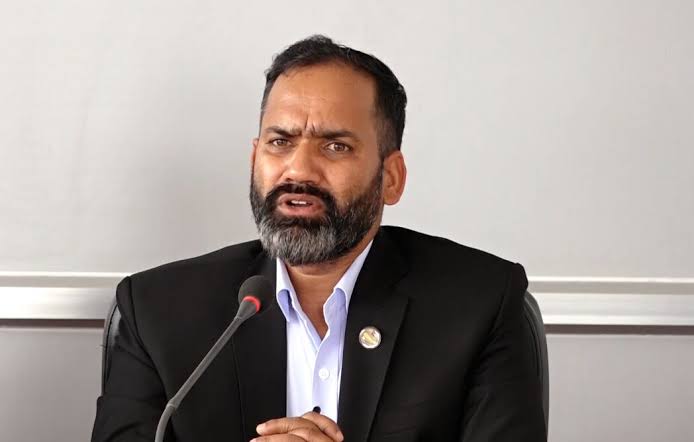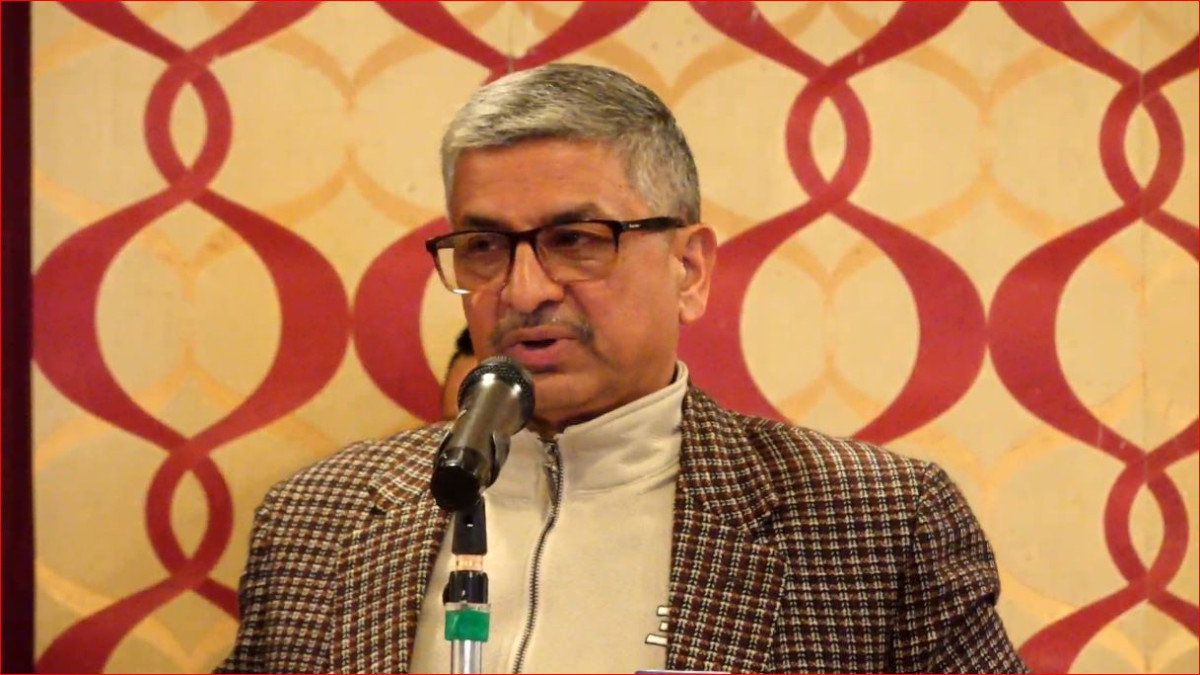
Acharya said the Commission has requested budgetary support from the Government of Nepal to move the study forward.
He expressed concern that the Chief Secretary has shown little interest in classifying information, despite legal provisions assigning that responsibility to the office.
According to Acharya, while the RTI law mandates the disclosure of information, it also allows certain categories of information to be withheld.
However, the absence of a clear and comprehensive classification system has created confusion in implementation. He noted that the law authorizes the Chief Secretary to prepare a list of non-disclosable information, but no meaningful progress has been made despite repeated requests since he assumed office.
In response, the Commission has written to federal ministries, departments, offices, security agencies, and constitutional bodies, informing them that the authority to classify information rests with the respective institutions under existing legal provisions.
Speakers at the event stressed that strengthening transparency, ensuring equal access to information, and clarifying legal ambiguities are essential to promoting good governance.
Unequal Access to Information Hurts Economy: Finance Minister
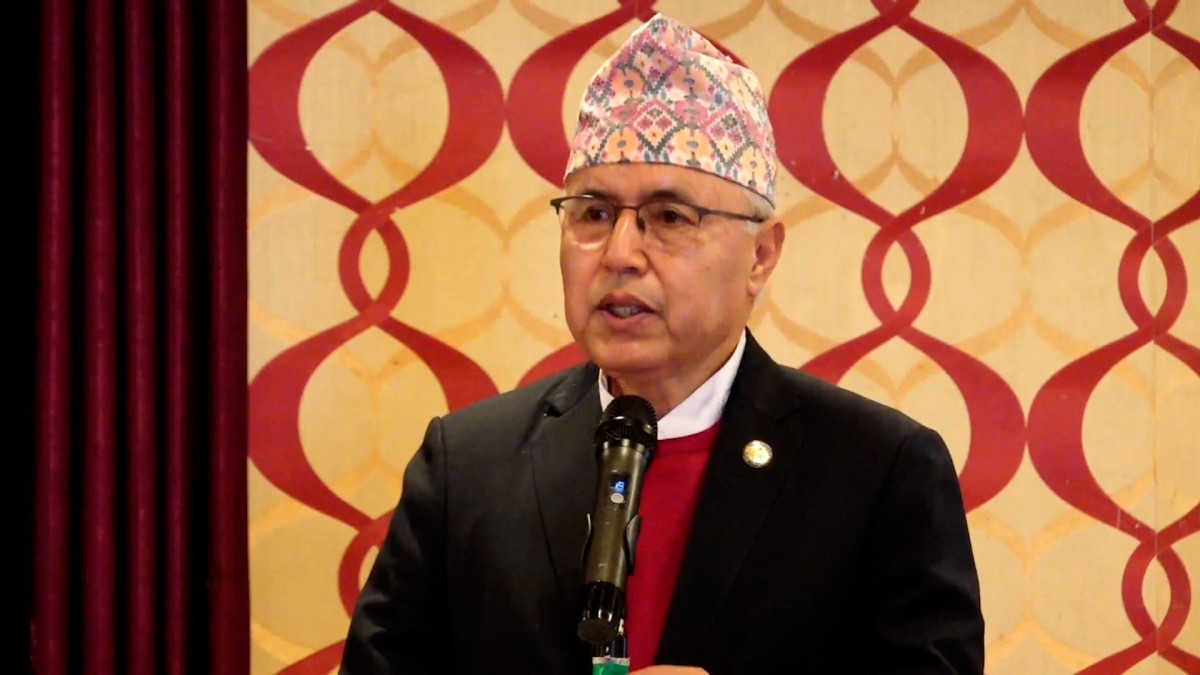
Speaking at the same program in the capital on Friday, Finance Minister Rameshwar Khanal said timely and accurate information is vital for the proper functioning of the economy.
He warned that unequal access to information has created significant imbalances in the market.
Although multiple laws and standards address information disclosure, not all investors in the capital market receive information simultaneously, undermining fair competition.
Khanal pointed to insider trading practices in the capital market, where certain individuals maintain monopolistic control over sensitive information.
He noted that in commodity markets such as gold and silver, businesses that receive price-related information earlier gain substantial advantages over those who receive it later, resulting in stark profit disparities.
The minister also said Nepal’s accounting standards clearly require large corporations and major business houses to disclose their financial activities, social impact, and other mandatory details.
However, he criticized the media for not rigorously monitoring whether companies are complying with disclosure requirements.
Despite global practices promoting equal opportunity, Khanal added that in Nepal it remains difficult to obtain clear data on how many Dalits, Indigenous communities, and marginalized groups are employed by companies.
He emphasized that significant potential remains in ensuring accurate and inclusive information reaches citizens.