Rawal slams ruling alliance over constitution, bill scandal
He also raised concerns over efforts to reintroduce a bill that had earlier been returned by the President, citing it as unconstitutional.

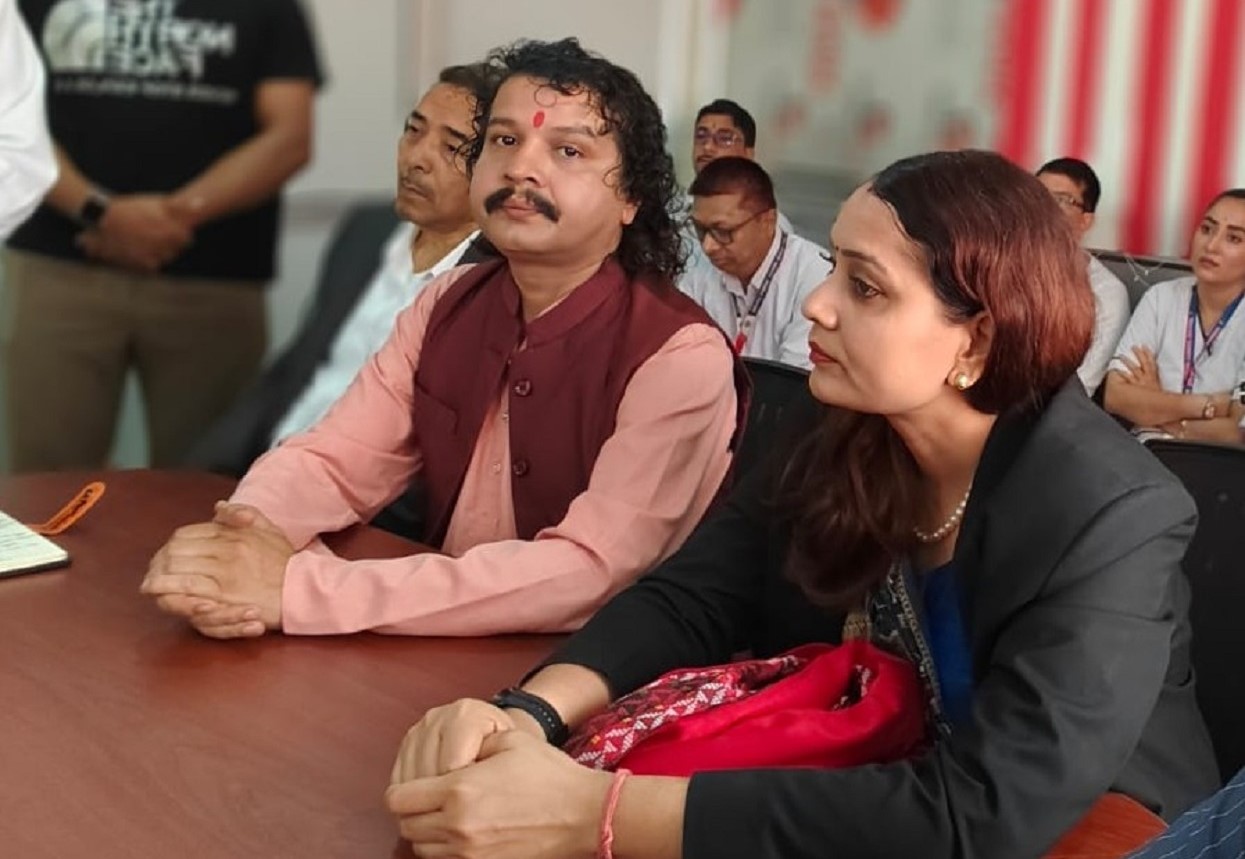
KATHMANDU: Prominent leftist leader and campaigner of the Motherland Awakening Movement, Dr. Bhim Rawal, has launched a series of pointed criticisms against the major parties in Nepal’s ruling coalition, raising serious questions about their intentions and governance style.
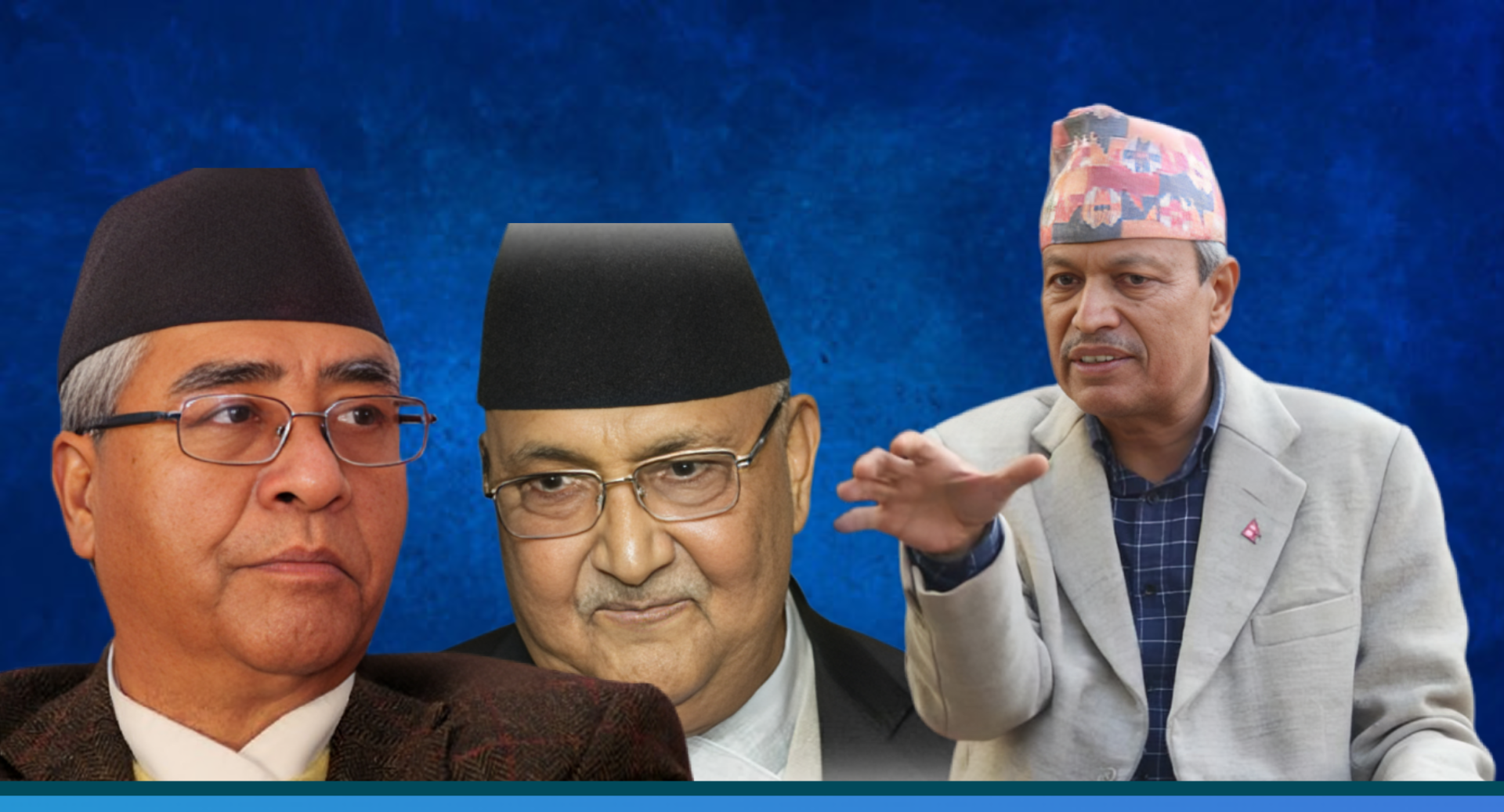
He has accused the coalition of attempting to hold the constitution and rule of law hostage for power gains, highlighting two critical issues: the controversial amendment to the Constitutional Council Act and the Civil Service Bill’s “cooling-off period” investigation report.
Alleged Attempt to Undermine the Constitutional Council
In his latest social media commentary, Dr. Rawal condemned the amendment allowing decisions to be made by only two members of the Constitutional Council, branding it a “malicious attempt” against the spirit of the Constitution. He likened the move to former Prime Minister KP Sharma Oli’s controversial ordinance, calling it authoritarian and unilateral.
“The Constitutional Council was designed to maintain checks and balances, including the presence of the opposition leader. Attempts to weaken it were met with strong resistance within Oli’s own party,” Rawal wrote. “Now, the same ruling alliance is pursuing a similarly unconstitutional move, mocking the role played by UML in 1990 to ensure impartiality in the Council.”
He also raised concerns over efforts to reintroduce a bill that had earlier been returned by the President, citing it as unconstitutional.
“Now the question is whether parties like the Nepali Congress and its MPs will uphold the Constitution or mortgage their conscience in the name of power-sharing,” he questioned.
Civil Service Bill Investigation Branded a “Cover-Up”
Dr. Rawal also criticized the investigation report on the amendment to the Civil Service Bill, which involved the controversial removal of the “cooling-off period” — a clause barring retired civil servants from holding government positions for two years. He referred to the report as a “cover-up.”
He accused the parliamentary committee of deliberately avoiding naming the individual responsible for tampering with the bill’s language in the computer system, suggesting an attempt to shield the guilty. “Despite the existence of clear digital trails, the report uses vague and evasive language, which appears to be a deliberate attempt to obscure the truth,” Rawal said. “Such a cover-up from a parliamentary committee is an attack on the parliamentary system itself.”
He also expressed suspicions that the weak findings of the investigation were premeditated, especially given that both the Nepali Congress and UML leaders had opposed the provision from the beginning. Rawal concluded by casting serious doubts on the integrity and constitutional commitment of the ruling coalition’s leadership.