Pun alleges corruption in taxi ‘Black Plate’ distribution, calls for probe
He stated that while import taxes on taxis reportedly range between 250 to 300 percent, operators are further being forced to pay an additional illegal fee for obtaining black plates.


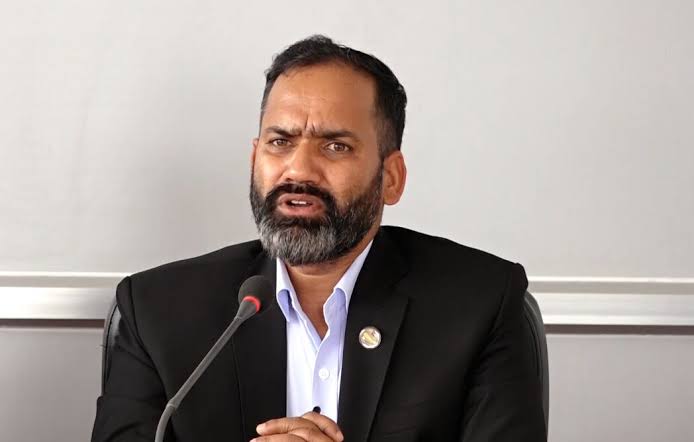
KATHMANDU: Member of Parliament Mahabir Pun has alleged large-scale financial irregularities and corruption in the distribution of taxi “black plates” (number plates), claiming that an additional illegal charge of around Rs 1.5 million is being imposed on taxi operators.
Speaking during the special hour in a meeting of the House of Representatives Nepal on Thursday, MP Pun said taxi entrepreneurs and workers are facing severe exploitation due to an alleged syndicate involving multiple levels of government.
He stated that while import taxes on taxis reportedly range between 250 to 300 percent, operators are further being forced to pay an additional illegal fee for obtaining black plates.
He claimed this payment burden has made taxi ownership extremely expensive, costing up to Rs 3–3.5 million per vehicle, excluding the alleged extra charge.
“I have discussed this with the Director General of the transport authority. There may be collusion from the provincial level to the department level,” Pun said, calling for an immediate investigation and cancellation of the practice.
He added that a taxi driver would need nearly 25 months just to recover the alleged illegal payment, making it extremely difficult for low-income workers to sustain their livelihoods.
Beyond the transport issue, MP Pun also raised concern over the growing “monkey menace” across the country. He argued that parliamentary discussions alone are not enough and stressed the need for scientific research and technological solutions.
Pun revealed that he has been working on the issue for seven years through the National Innovation Centre, investing around Rs 5–6 million in research efforts. However, he noted that no globally proven method exists yet to effectively control monkeys.
He urged the government to allocate a research budget of Rs 20–70 million and form a dedicated expert team to address the problem scientifically, expressing willingness to contribute to such an initiative.
According to him, without in-depth behavioral study and technological innovation, the issue cannot be sustainably resolved.