Police launches 3-year anti-drug plan; lawmakers push for stronger action

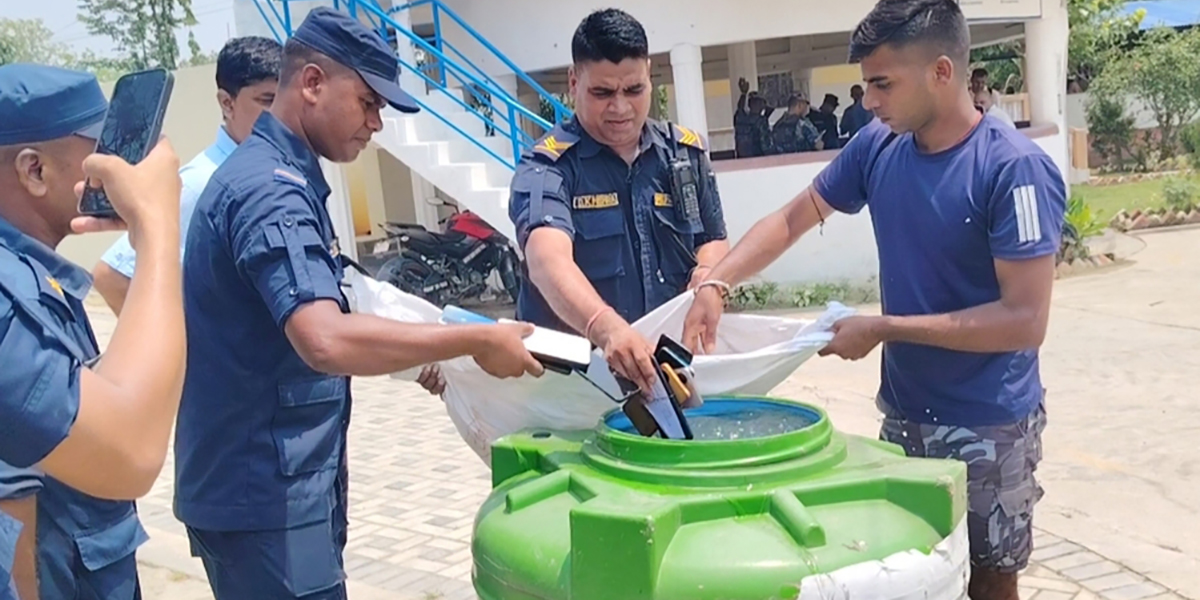
KATHMANDU: Nepal Police has introduced a comprehensive three-year action plan aimed at curbing the rising trade and abuse of narcotics in the country, focusing on institutional strengthening, legal reforms, and the use of modern technology.
Inspector General of Police Dan Bahadur Karki said the plan prioritizes enhancing the capacity of the Narcotics Control Bureau, updating the legal framework, and expanding the use of intelligence and surveillance systems.
He noted that the existing Narcotic Drugs (Control) Act, 2033, has been proposed for revision to align with current trends, international practices, and operational realities, in coordination with the Office of the Attorney General and relevant agencies.
As part of institutional reforms, the bureau will be expanded with additional technical manpower, including chemists and IT and OSINT (Open Source Intelligence) experts. The police also plan to strengthen surveillance in areas identified as major drug cultivation zones, including illegal production of cannabis and opium in hilly and mountainous districts such as Dhading.
Authorities said landowners may also face legal action if illegal cultivation is found on their property, aiming to control production at the source.
Police assessments indicate that Madhesh and Koshi provinces have become major transit routes for drug trafficking. Smuggling via ambulances, trucks, and private vehicles has prompted tighter checks at border points.
The plan also includes the introduction of X-ray scanners and detection systems to identify internal concealment methods.
Advanced surveillance tools will be deployed to strengthen evidence collection, along with rapid testing kits for on-the-spot identification of narcotics. A separate headquarters building and a National Target Center are also planned to improve operational coordination.
At international entry points, Nepal Police will implement high-risk passenger profiling and deploy targeted units to analyze traveler data, aiming to disrupt transnational drug networks. Cooperation with international bodies such as UNODC and INCB will be further strengthened for intelligence sharing.
On the prevention side, awareness programs will be introduced in schools, with teachers trained under a Training of Trainers (ToT) model.
Coordination with the Department of Drug Administration will be enhanced to monitor misuse of pharmaceutical drugs, while counseling centers are planned in every district and municipality to support rehabilitation efforts.
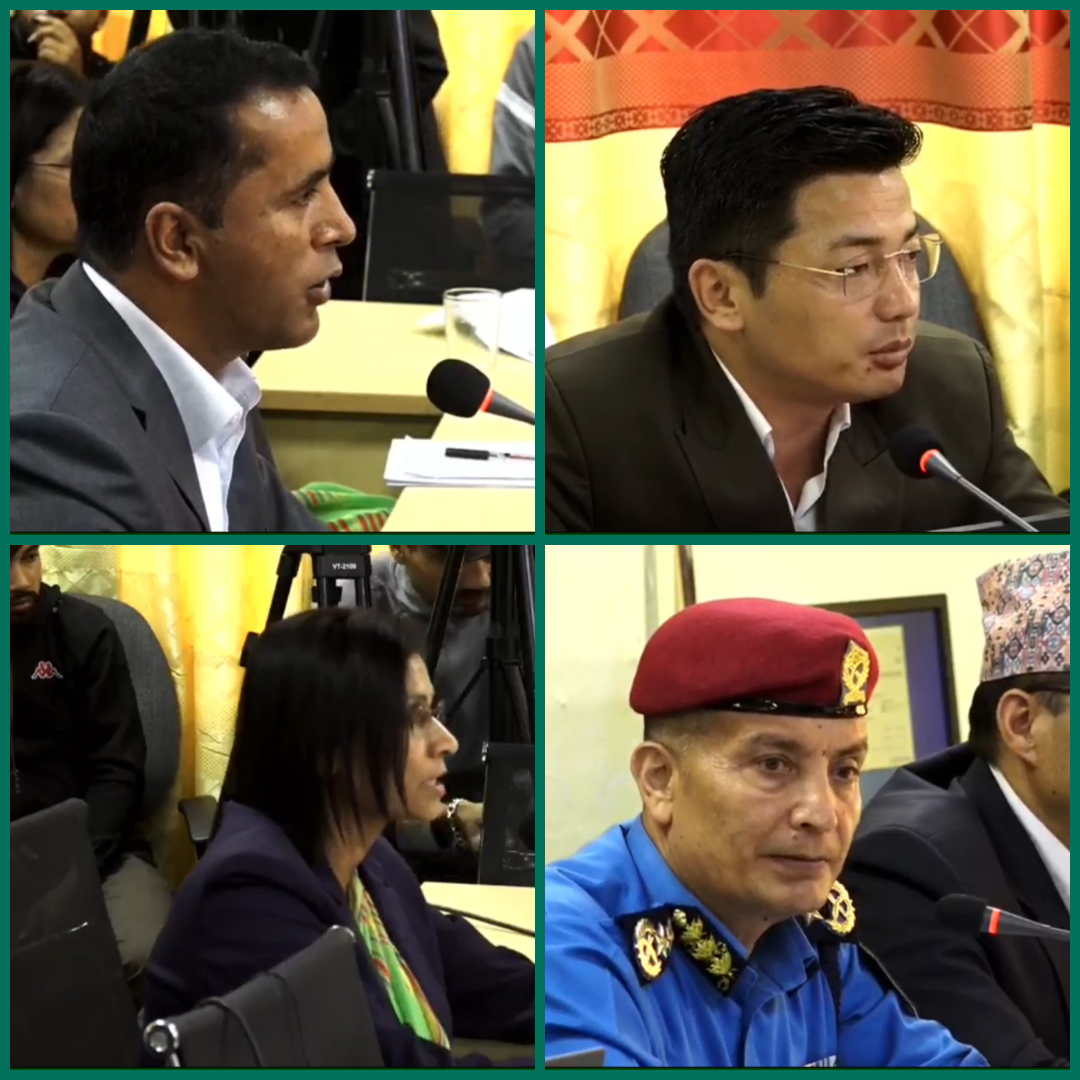
Meanwhile, lawmakers raised concerns over the effectiveness of current policies during a meeting of the House Committee on State Affairs and Good Governance.
Nepali Congress MP Nishkal Rai said existing laws and structures are inadequate, criticizing delays in implementing the National Drug Control Master Plan (2079–2084) and amendments to outdated policies.
He also questioned the high cost of testing kits and raised concerns that awareness programs in schools may unintentionally increase curiosity about drugs.
Rai stressed the need for localized counseling centers and stricter monitoring in emerging urban and hill areas.
CPN-UML MP Padma Aryal emphasized that enforcement alone is not enough, calling for increased budget allocation, public awareness, and rehabilitation programs.
She said drug abuse is destroying individuals, families, and society, and urged stronger monitoring of schools, border areas, and urban centers. Aryal also called for effective rehabilitation systems to help recovering users reintegrate into society.
Communist Party MP Yubraj Dulal alleged possible collusion in the drug trade, criticizing what he described as a reactive approach by law enforcement agencies.
He argued that Nepal’s narcotics control bureau still operates with outdated structures and insufficient resources, including limited budget and lack of infrastructure. Dulal demanded immediate strengthening of the bureau with adequate funding, skilled manpower, and modern equipment, warning that only reactive enforcement will not solve the crisis.