Padam Giri alleges conspiracy in “cooling-off period” bill manipulation
Giri accused government officials of secretly re-inserting a controversial phrase into the bill—despite its removal during the parliamentary committee discussions.


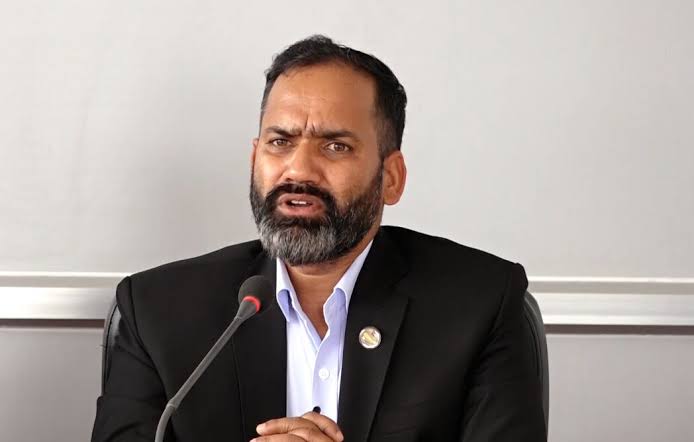
KATHMANDU: CPN-UML lawmaker Padam Giri has strongly objected to what he calls a deliberate and unethical alteration of the “cooling-off period” provision in the civil service bill presented in the federal parliament.
Speaking to the media on Tuesday after meeting Speaker Devraj Ghimire at Singha Durbar, Giri accused government officials of secretly re-inserting a controversial phrase into the bill—despite its removal during the parliamentary committee discussions.
“Once a consensus is reached in the committee, the bill must proceed as agreed,” Giri said. “But what happened was a conspiracy. This is absolutely wrong.”
According to Giri, the draft initially included the phrase “except for constitutional, diplomatic, or other appointments made by the government”. This was later removed during the State Affairs and Good Governance Committee’s review. However, he claims the same phrase was sneakily reintroduced in the version presented to the House of Representatives.
“That specific phrase was not in the version passed by the committee,” he asserted. “But it reappeared when the bill reached the House. This points to a serious and premeditated manipulation.”
Giri warned that the State Affairs and Good Governance Committee would not proceed with its meetings unless a formal investigation is launched. “Until this is probed thoroughly, the committee’s meetings will not move forward,” he said. “Those responsible must resign on moral grounds and face disciplinary action.”
The bill, registered in Parliament by the government in Falgun 2080, proposed that civil servants who retire without government consent must wait two years before joining any private or non-governmental organization.
However, appointments to constitutional and diplomatic positions were exempted from this restriction.
Giri contends that this exemption was unjustly reinstated in the final version of the bill presented in the House, bypassing due legislative process.