Nepal plans to add 1,040 MW to national grid in next fiscal year
Minister Shrestha emphasized that the energy sector has been positioned as a central pillar of Nepal’s long-term economic growth strategy.

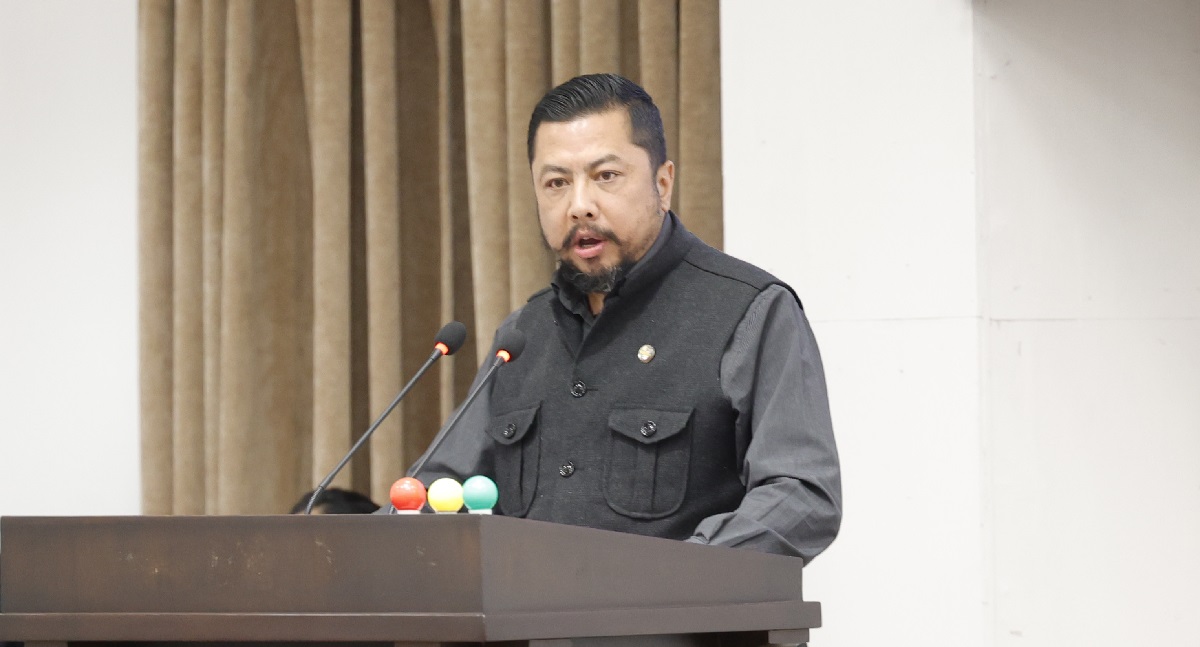
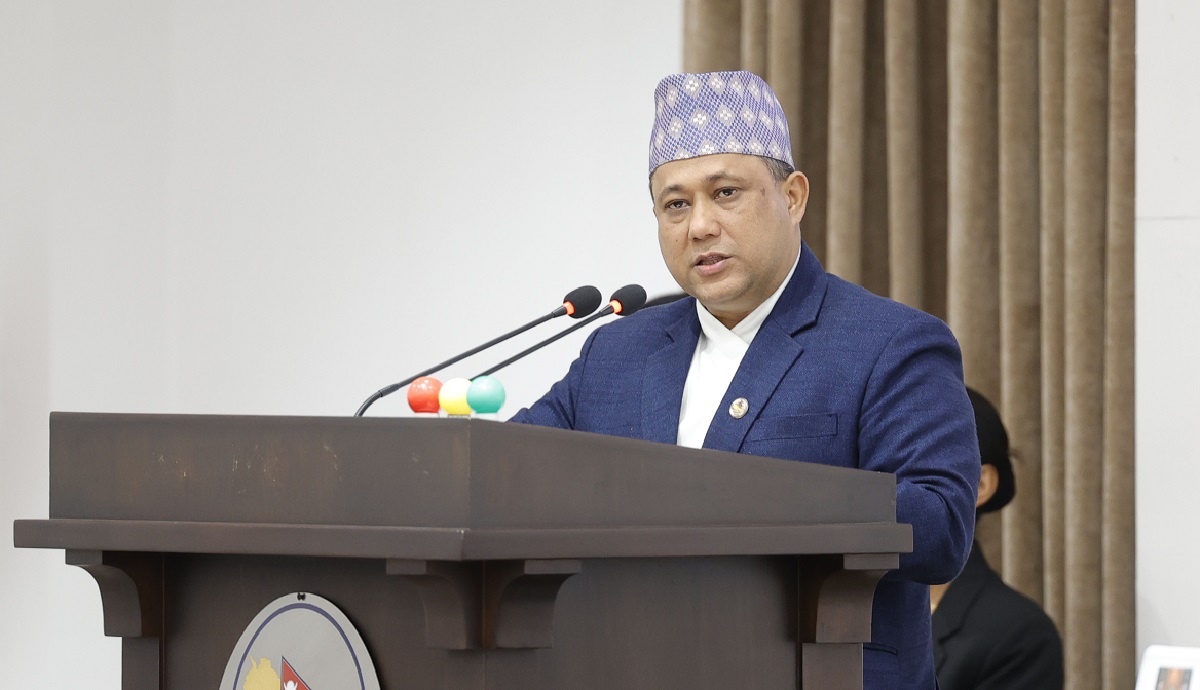
KATHMANDU: Energy, Water Resources and Irrigation Minister Biraj Bhakta Shrestha has announced that Nepal will add an additional 1,040 megawatts of electricity to the national transmission system within the upcoming fiscal year 2083/84, reinforcing the country’s push toward energy-led economic transformation.
Responding to questions from lawmakers during deliberations on the Appropriation Bill in the House of Representatives on Thursday, Minister Shrestha emphasized that the energy sector has been positioned as a central pillar of Nepal’s long-term economic growth strategy.
According to the minister, the planned capacity expansion includes 670 MW from hydropower projects and 370 MW from solar energy, which will raise Nepal’s total installed capacity to 5,535 MW. He also reiterated the government’s ambitious target of reaching 30,000 MW of electricity generation within the next 10 years.
For the upcoming fiscal year, the Ministry of Energy, Water Resources and Irrigation has been allocated a total budget of Rs 114.02 billion. Of this, Rs 70.12 billion is earmarked for energy development and Rs 43.90 billion for water resources and irrigation.
Minister Shrestha highlighted that transmission infrastructure—long considered the backbone of electricity supply—has received top priority for the first time. The government plans to complete 12 major strategic transmission projects, including nine 132 kV lines and two 220 kV lines, within the next year.
He also announced a major policy shift toward liberalizing electricity trade, allowing private sector participation in domestic and cross-border power trading. Private developers will be permitted to construct transmission lines and trade electricity by paying a “wheeling charge” under a new legal framework.
In a further reform, Power Purchase Agreements (PPAs) for projects below 10 MW have been reopened, while licensing periods for reservoir-based hydropower projects will be extended to 50 years to attract private investment.
The minister stressed the government’s commitment to eliminating what he described as “license raj” and the practice of blocking projects without implementation, vowing strict action against project hoarding while facilitating genuine investors.
In the irrigation sector, the government aims to expand irrigation coverage to an additional 15,776 hectares of farmland, raising the share of irrigated land to 64 percent nationwide. Major national projects including Bheri-Babai Diversion, Sikta, Sunkoshi-Marin, and Rani Jamara Kulariya have been allocated Rs 10.24 billion.
Similarly, under river control programs, the government plans to construct 70 km of embankments, reclaiming around 210 hectares of land. For Karnali Province’s integrated irrigation and river management initiatives, Rs 9.23 billion has been allocated.
The government also announced plans to preserve historic hydropower stations such as Pharping and Panauti, listing them as heritage sites and promoting them as tourism destinations. Rivers, the minister added, will be protected not only as water resources but also as cultural and religious heritage assets under a broader national policy framework.