Zero-tolerance on corruption, police reforms & digitalization: HM Sudhan
He emphasized that the government’s main duty is to curb corruption and strengthen governance mechanisms across state institutions.

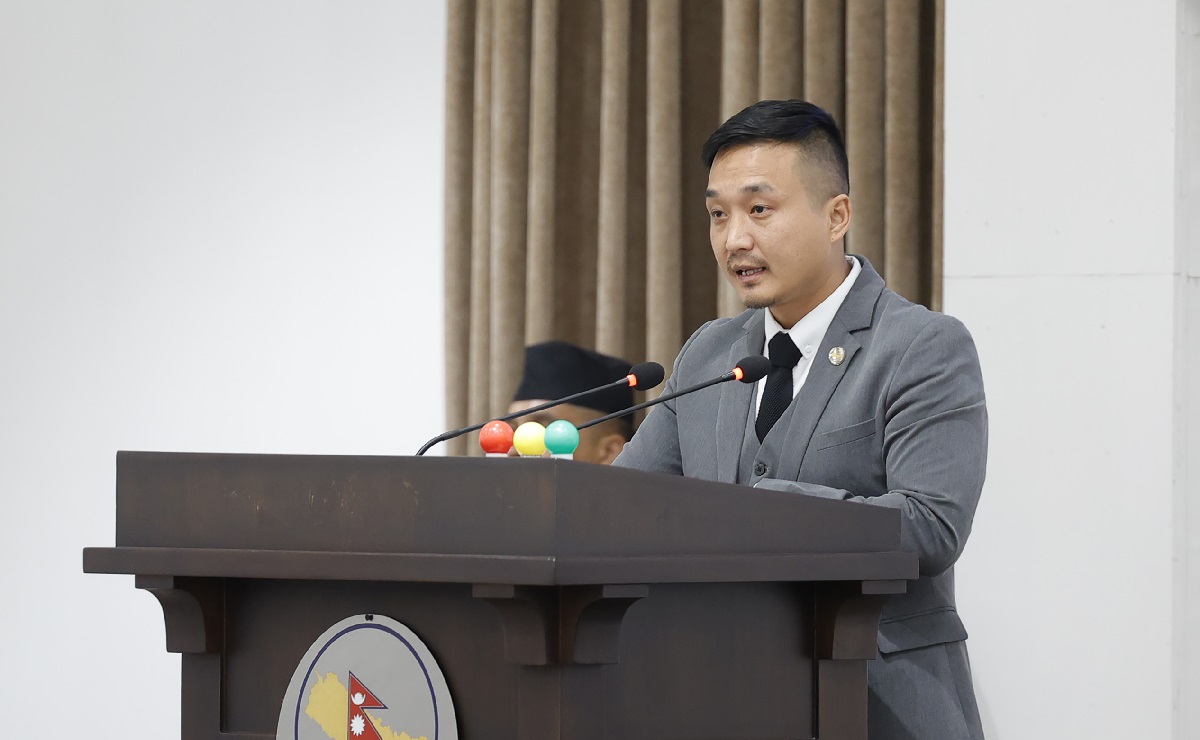
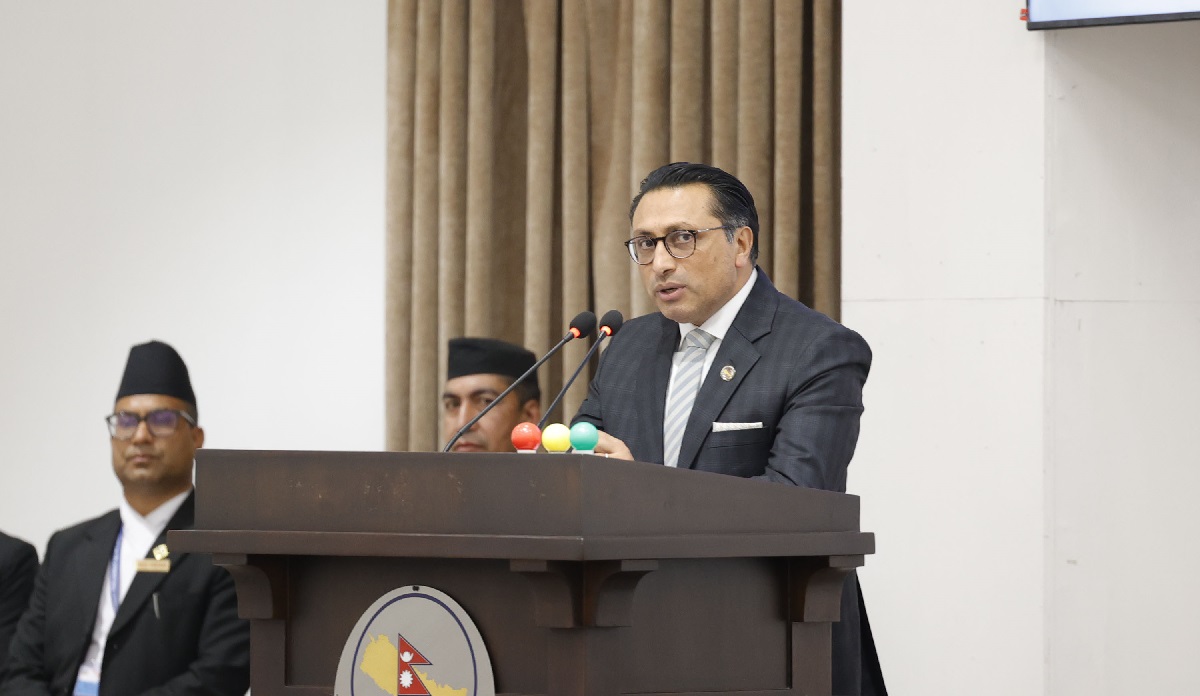
KATHMANDU: Home Minister Sodhan Gurung has reaffirmed the government’s commitment to good governance, declaring a strict zero-tolerance policy against corruption as a core state priority.
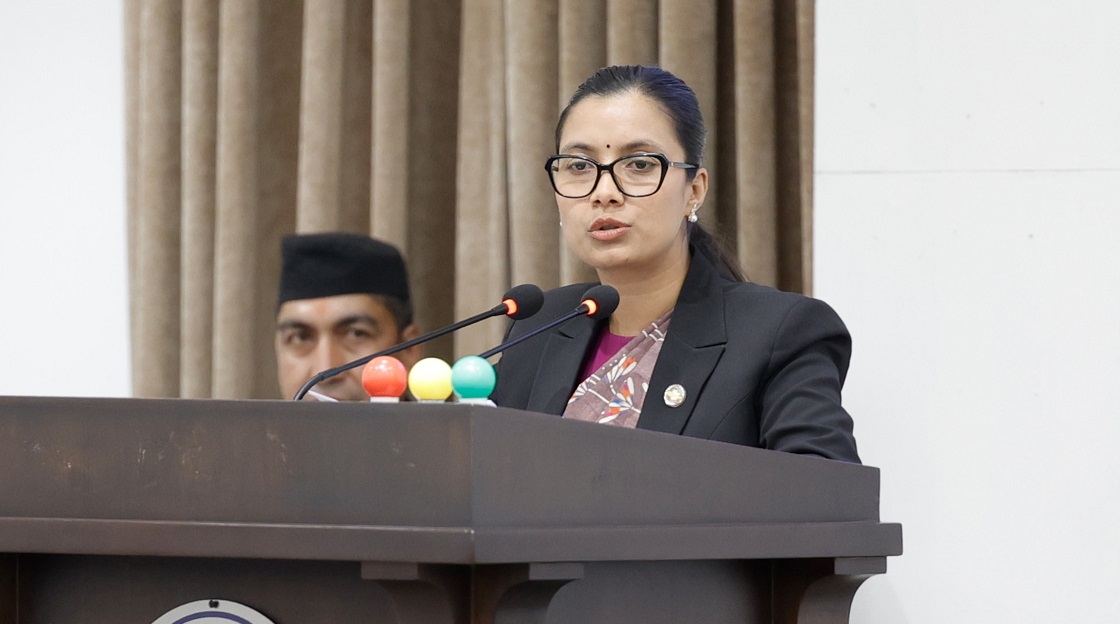
Responding to lawmakers’ questions during Thursday’s House of Representatives session on the Home Ministry’s budget allocation, Minister Gurung said the government’s primary responsibility is to curb corruption and ensure effective governance across the country.
He stated that directives have already been issued to chiefs of federal and provincial police offices to closely monitor subordinate staff and implement a performance-based system that includes both rewards and disciplinary action.
“The government has adopted a zero-tolerance policy against corruption. Strengthening integrity and governance is our core responsibility,” he said, adding that performance monitoring and accountability mechanisms would be strictly enforced without compromise.
The minister also outlined a series of reforms aimed at modernizing the Home Administration, including transforming it into a fully technology-driven and citizen-centric institution. Under the “One Identity, Multiple Services” concept, the National Identity Card will be integrated with all public service systems to enable unified access for citizens.
To tackle rising cybercrime and transnational criminal activities, the government will invest NPR 504.9 million in developing AI and advanced analytics capabilities for the Nepal Police. A 24-hour “Hello Home” call center and a digital case tracking system have already been introduced to improve public service delivery and transparency.
Infrastructure development is also a key focus, with budget allocated for the construction of 79 police buildings in the coming fiscal year. Advanced technologies such as modern police patrol drones and heavy-lift drones will be deployed for border security and surveillance operations. Satellite monitoring systems will also be used to track border areas and forest fire risks in real time.
In disaster management, the ministry said it is shifting from a reactive approach to a preparedness-based system, with enhanced coordination among all stakeholders during the monsoon season.
Rs 500 million has been approved for earthquake-affected housing reconstruction, while additional funds have been allocated for lightning risk reduction in vulnerable regions.
On drug control, the government has adopted a three-pillar strategy focusing on prevention, treatment, and enforcement, alongside digital awareness campaigns to protect youth from substance abuse.
To address overcrowding in prisons, the government plans to build large correctional facilities in each province with a combined capacity of around 7,000 inmates.
The plan also includes expanding open prison systems and promoting vocational activities within correctional institutions.
Minister Gurung emphasized that every rupee of the allocated budget will be spent transparently in the service of citizens, national security, and institutional reform, reiterating the government’s commitment to building a modern, accountable, and digitally empowered Home Administration.