Nepal–China conduct joint patrol in Korala border area
According to ACAP Lomangthang, this marks the first joint winter border security patrol in the northern Nepal–China border region.

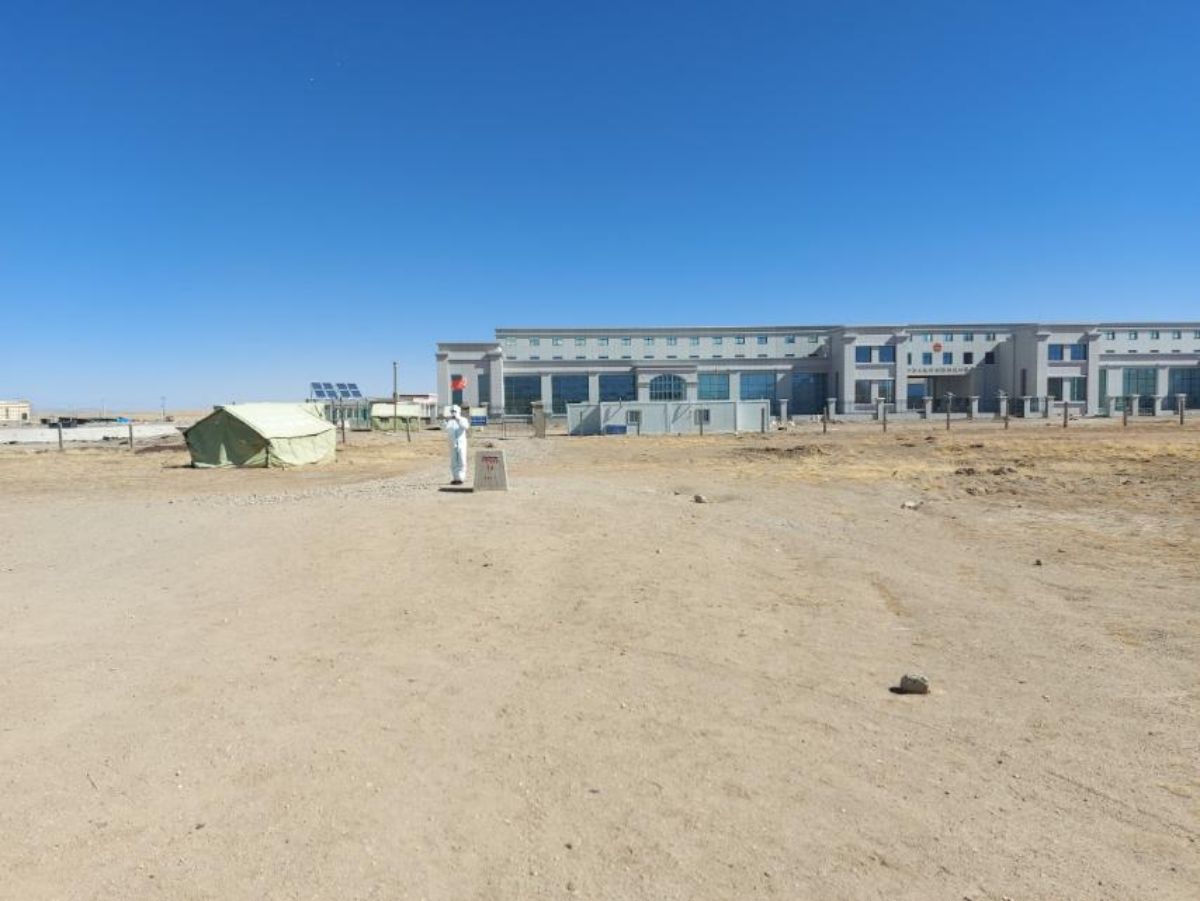
KATHMANDU: A joint security patrol has been carried out in the snow-covered Korala Pass along the northern Nepal–China border to curb potential illegal activities during the harsh winter season.
On Sunday, a combined team comprising the Armed Police Force (APF), Nepal Police, and representatives from the Annapurna Conservation Area Project (ACAP) Lomangthang conducted the patrol in the Korala border area.
The operation aimed to prevent possible wildlife poaching and smuggling, as well as to control cross-border crime, illegal activities, and other unwanted movements that may increase when the region becomes isolated in winter.
ACAP Lomangthang Office Chief Umesh Paudel said the joint patrol was organized considering the heightened risk of illegal activities during winter, when the border area remains largely deserted due to extreme cold and heavy snow.
Despite sub-zero temperatures and snow-covered terrain, a team of around a dozen personnel, including security forces from the Armed Police Force Border Outpost (BOP) at Nechung, Lomangthang-2, and Nepal Police, successfully completed the patrol.
According to ACAP Lomangthang, this marks the first joint winter border security patrol in the northern Nepal–China border region.
The team conducted surveillance from border pillar number 24 at Korala Pass towards Manang, covering border pillars 25, 26, 27, and 28.
Although Upper Mustang experienced heavy snowfall on Kartik 10, no significant snowfall has occurred since then. However, the snow that fell along the Nepal–China border on that date still remains.
With the support of security personnel stationed in the area, ACAP Lomangthang has initiated regular joint patrols to strengthen border security.
With the onset of winter, temperatures in Upper Mustang have dropped sharply, with morning and evening temperatures falling to as low as minus 20 degrees Celsius.
Due to the severe cold, most local residents have migrated to lower regions to escape the winter.
Security personnel, however, continue to remain deployed in the border areas, enduring extreme conditions to safeguard the frontier.