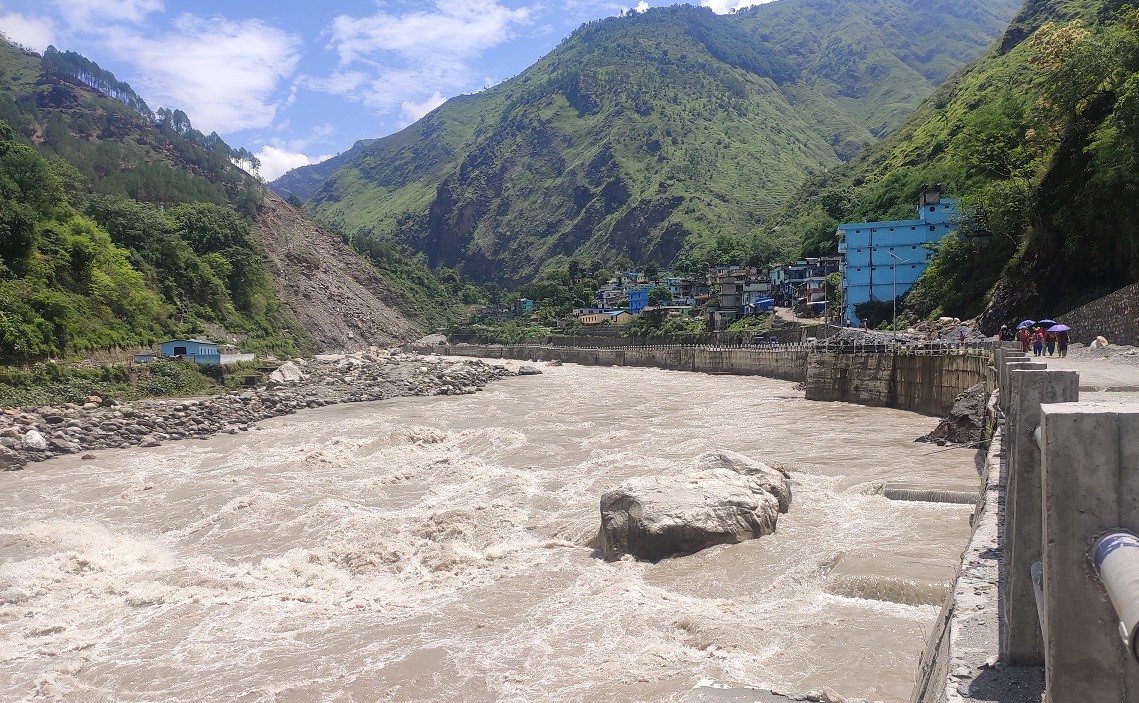
Mountaineering boom in Nepal as glaciers rapidly retreat
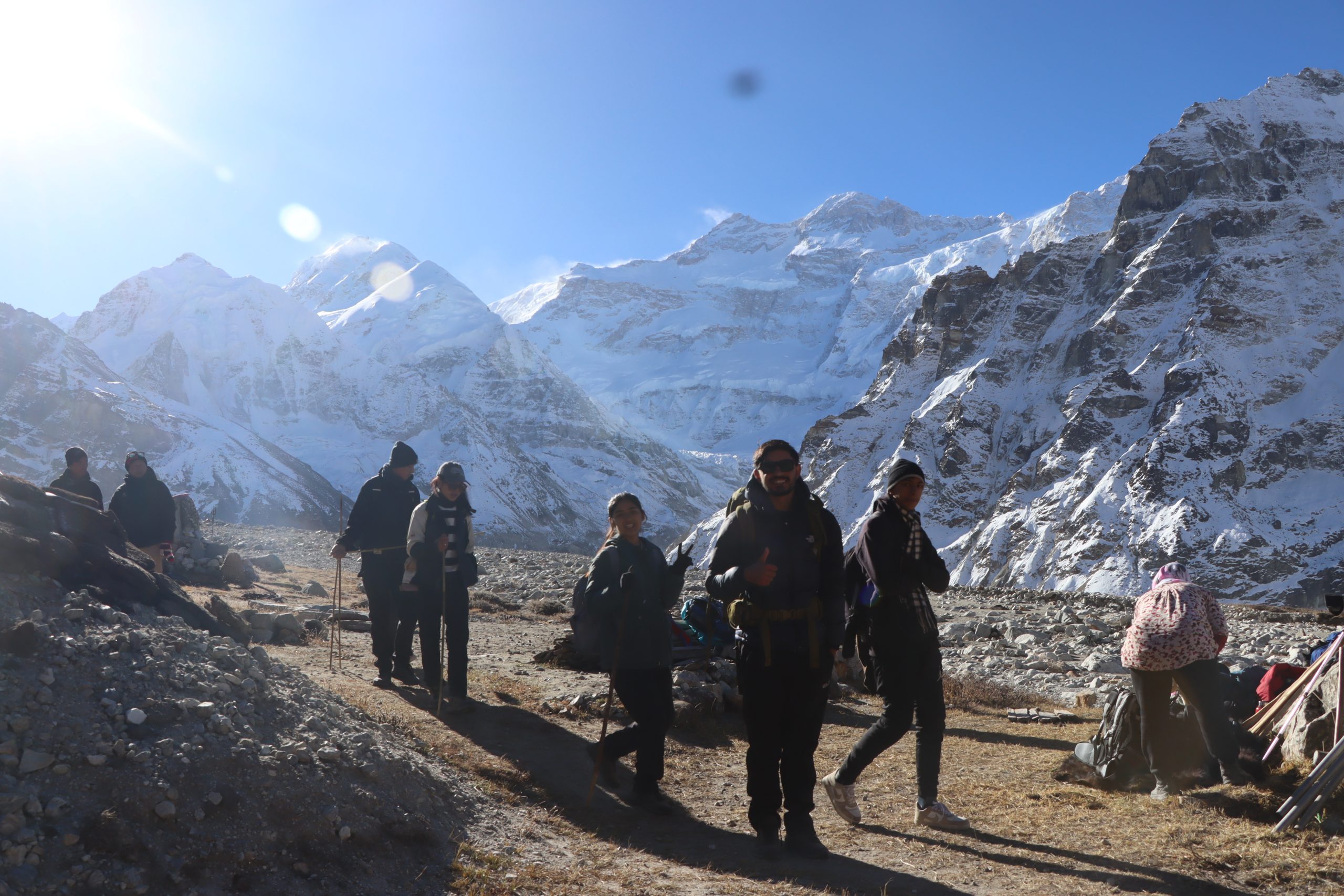
Between March 1 and April 21, 41 climbers—26 men and 15 women—successfully reached the summit of Kanchenjunga, the world’s third-highest peak, standing at 8,556 meters in Taplejung.

KATHMANDU: Nepal has witnessed a surge in mountaineering activities in recent years, with tourism authorities reporting revenue of Rs 638.3 million from various Himalayan and peak expeditions last year.
Between March 1 and April 21, 41 climbers—26 men and 15 women—successfully reached the summit of Kanchenjunga, the world’s third-highest peak, standing at 8,556 meters in Taplejung.
The climb generated Rs 1.97 million in government revenue.
In Sankhuwasabha, 66 climbers conquered Mount Makalu, contributing Rs 1.63 million to national earnings. Meanwhile, Mount Everest saw 374 climbers—302 men and 72 women—reach its summit, generating Rs 554.99 million in revenue.
Overall, 23 Himalayan peaks and major summits were successfully climbed this season, with a total of 869 climbers, including 678 men and 191 women from Nepal and abroad, contributing Rs 638.3 million in revenue, according to the Department of Tourism.
Nepal is home to eight of the world’s highest peaks, including Everest, Kanchenjunga, Lhotse, Makalu, Cho Oyu, Dhaulagiri, Manaslu, and Annapurna I.
While some of the world’s tallest peaks, including K2 and Nanga Parbat, lie in Pakistan, Nepal’s mountains dominate the 8,000-meter league. However, the Himalayan glaciers are retreating, a trend accelerated by climate change.
Studies and local observations indicate that climate change is rapidly reshaping Nepal’s high-altitude geography.
The International Centre for Integrated Mountain Development (ICIMOD) reported in 2021 that the Kanchenjunga region’s glacial line is rising by an average of 6.5 meters annually.
Over the last 15 years, the number of glacial lakes in the region has increased from 27 to 49, signaling significant environmental shifts.
ICIMOD’s 2022 Himalayan Water Security report highlights a rise in Nepal’s average annual temperature by 0.3 to 0.5°C, accelerating glacier melt and glacial retreat.
This trend directly impacts the livelihoods of mountain communities, agriculture, livestock, and water resources.
Experts warn that without immediate climate adaptation measures and long-term strategies, the rapid decline of glaciers could jeopardize water security, biodiversity, and food systems, posing serious long-term risks to Nepal and the broader Himalayan region.