Media crucial for free, fair Nepal elections: Officials
Bhandari highlighted that Nepal, having witnessed four major revolutions and movements in a single century, can no longer bear further crises. He stressed the need to build a peaceful and disciplined nation for future generations.

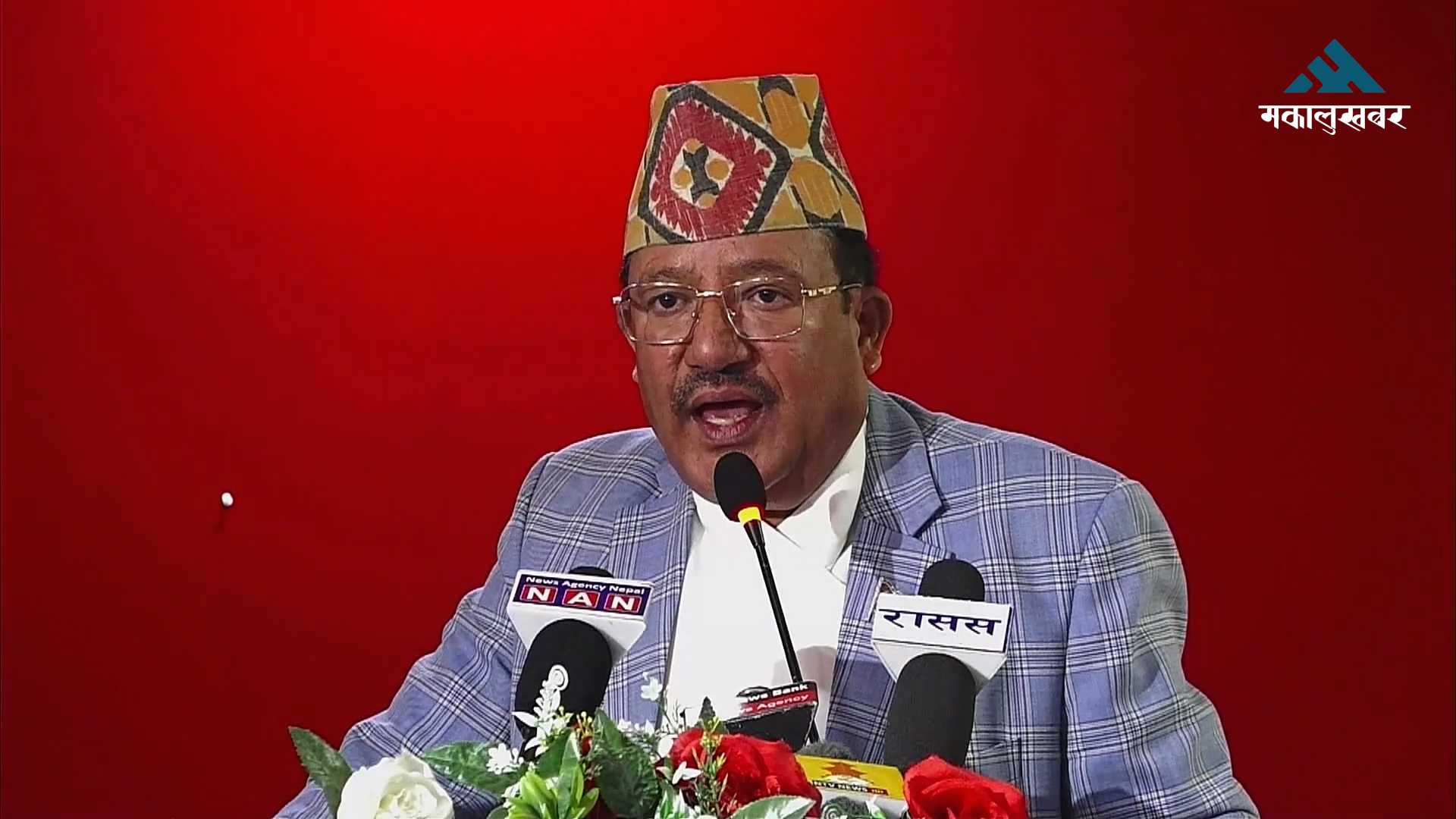
KATHMANDU: Acting Chief Election Commissioner Ram Prasad Bhandari has emphasized that elections are crucial to safeguarding Nepal from political instability and repeated uprisings.
Addressing a program in Kathmandu on Friday, Bhandari highlighted that Nepal, having witnessed four major revolutions and movements in a single century, can no longer bear further crises. He stressed the need to build a peaceful and disciplined nation for future generations.
“The country must return to discipline and order. Our future citizens should live with pride in a nation of peace, rather than witnessing endless protests and upheaval,” Bhandari said. He urged political leaders to seriously reflect on the nation’s political turbulence and its wide-reaching impacts.
Bhandari also underscored the vital role of journalists, calling for greater responsibility in news reporting.
He stressed the importance of fact-checking and delivering truthful, analytical news to guide society in the right direction.
He advocated for training programs to strengthen journalists’ capacity and skills.
Echoing this, Election Commission Secretary Krishna Bahadur Raut highlighted the decisive role of media in ensuring a free, fair, and credible upcoming general election.
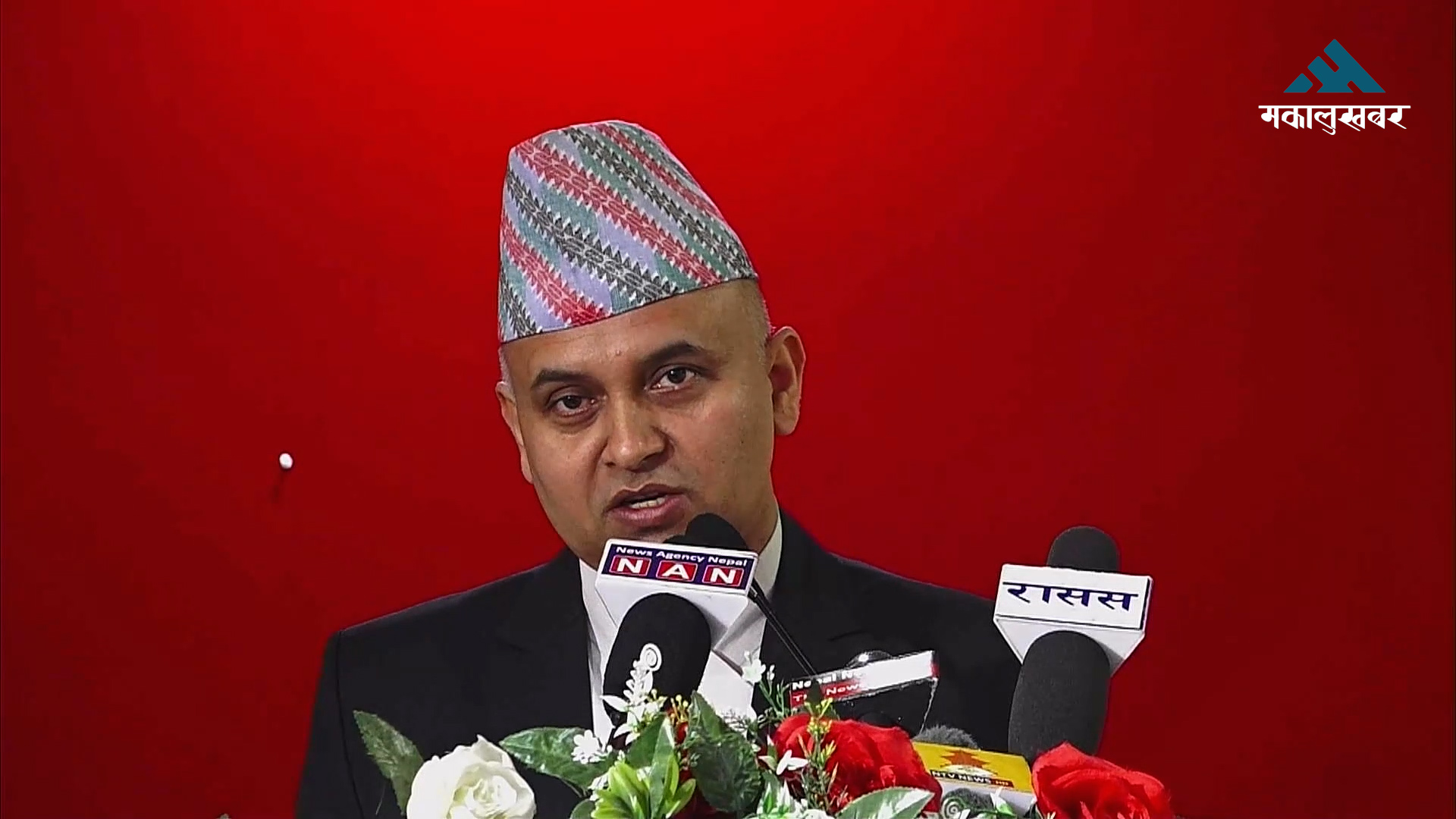
Speaking at a discussion organized by the Commission, Raut urged journalists to provide accurate, impartial, and fact-based information to help voters make informed decisions.
Describing media as the “cornerstone of democracy” and the fourth pillar of the state, Raut noted that the impartial dissemination of information is critical to maintaining the credibility of elections and empowering citizens.
He reminded that the upcoming periodic election will select 275 members of Nepal’s Federal Parliament—165 through direct votes and 110 through proportional representation—under the country’s constitutional and legal framework.
Raut further described the election as a historic opportunity to shape the nation’s future, development, and prosperity, emphasizing that choosing the right representatives is essential for validating the governance system and addressing current challenges.
With just two to three weeks left for preparations, the Commission expects strong media support to ensure voters are well-informed and the election process remains transparent and trustworthy.