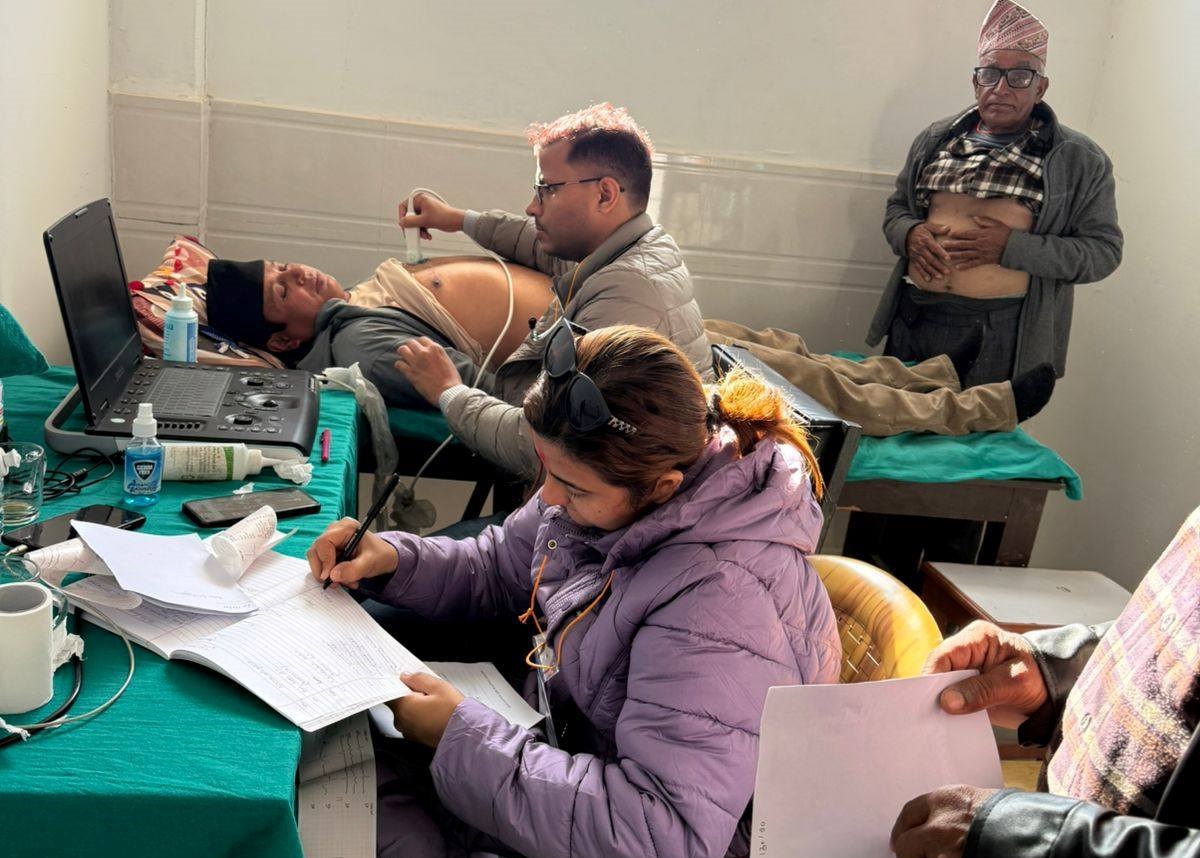
Long vehicle trips leave passengers sick & exhausted
Passengers report symptoms ranging from nausea, headaches, dizziness, and motion sickness to dehydration and muscle cramps.

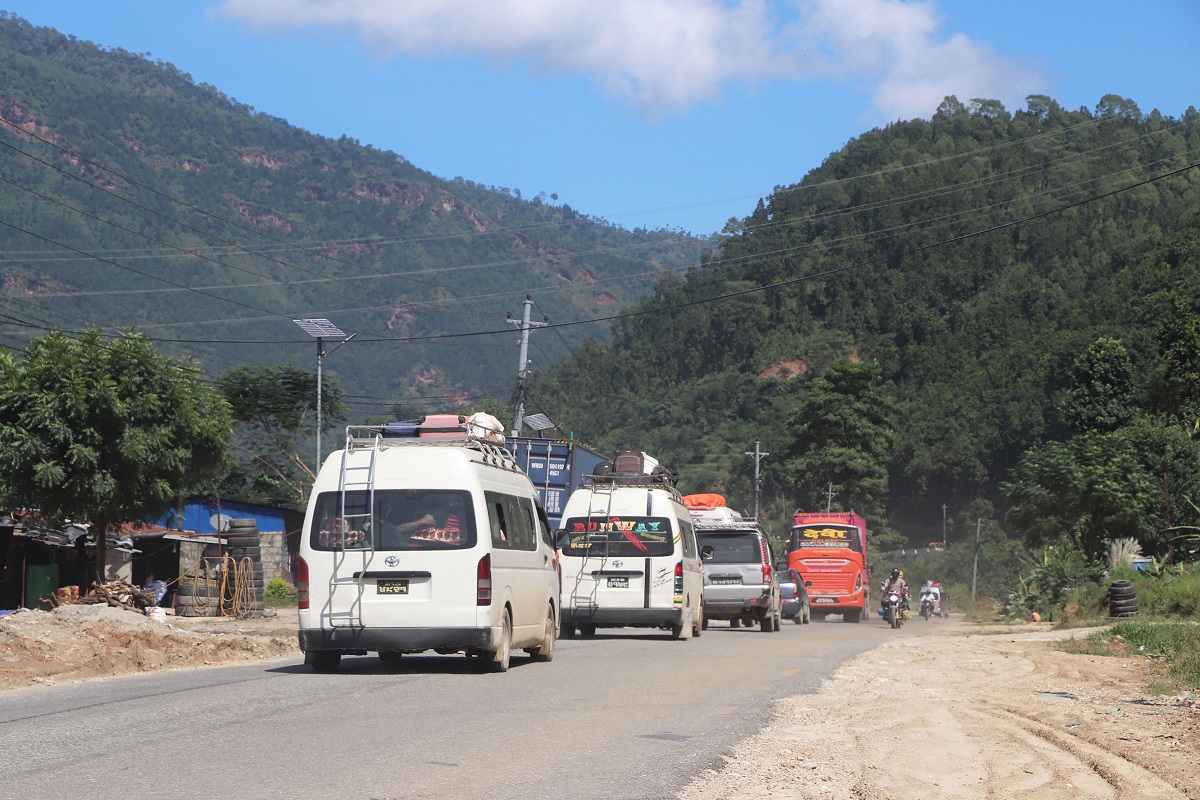
KATHMANDU: Long-distance bus travel, a common mode of transportation in Nepal, is increasingly being linked to health problems among passengers.
Reports from travelers on routes such as Kathmandu to Pokhara, Chitwan, and many other places far-flung districts indicate that journeys lasting 11 to 12 hours or more are causing significant physical discomfort and, in some cases, serious health issues.
Passengers report symptoms ranging from nausea, headaches, dizziness, and motion sickness to dehydration and muscle cramps.
For elderly travelers and those with pre-existing medical conditions, the impact can be even more severe. “I felt dizzy and nauseous after just a few hours on the road, but by the end of the 12-hour journey, I could barely stand,” said Ramesh Thapa, a traveler returning from Pokhara.
Health experts point to several contributing factors. Prolonged sitting in cramped seats limits blood circulation, which can lead to leg swelling, deep vein thrombosis, and fatigue.
Poor ventilation, dust, and exposure to vehicle exhaust can exacerbate respiratory problems.
In addition, irregular meal timings, consumption of unhygienic roadside food, and lack of access to clean drinking water contribute to digestive issues and dehydration.
“Long-duration bus travel is physically taxing. The human body is not designed to stay seated in a confined space for such extended periods,” said Dr. Sunita Shrestha, a general physician in Kathmandu. She added that travelers should take precautions such as staying hydrated, taking short walks when possible, wearing loose clothing, and avoiding heavy meals during travel.
Some bus operators admit that overcrowding and lack of frequent stops are challenges. “We try to minimize delays, but passengers’ comfort sometimes suffers,” said a representative from a private bus company. “Long journeys without breaks can impact health, but passengers often prefer speed over comfort.”
Authorities are urging transport operators to enforce regular rest stops, ensure proper ventilation, and maintain clean and safe buses.
Health professionals recommend that long-distance travelers take preventive measures, including using motion sickness medication if needed, bringing hand sanitizers, and limiting consumption of street food during the journey.
As tourism and intercity travel pick up, awareness of the health risks associated with long bus journeys has become more urgent.
Passengers, particularly the elderly and those with chronic illnesses, are advised to plan their trips carefully, consider travel insurance, and consult with doctors before undertaking extended road travel.