Langtang’s melting glaciers tell a grim tale of climate change
A shimmering glacier flowed close to the villages, and mornings began with children playing in sparkling snow crystals scattered in the courtyards.

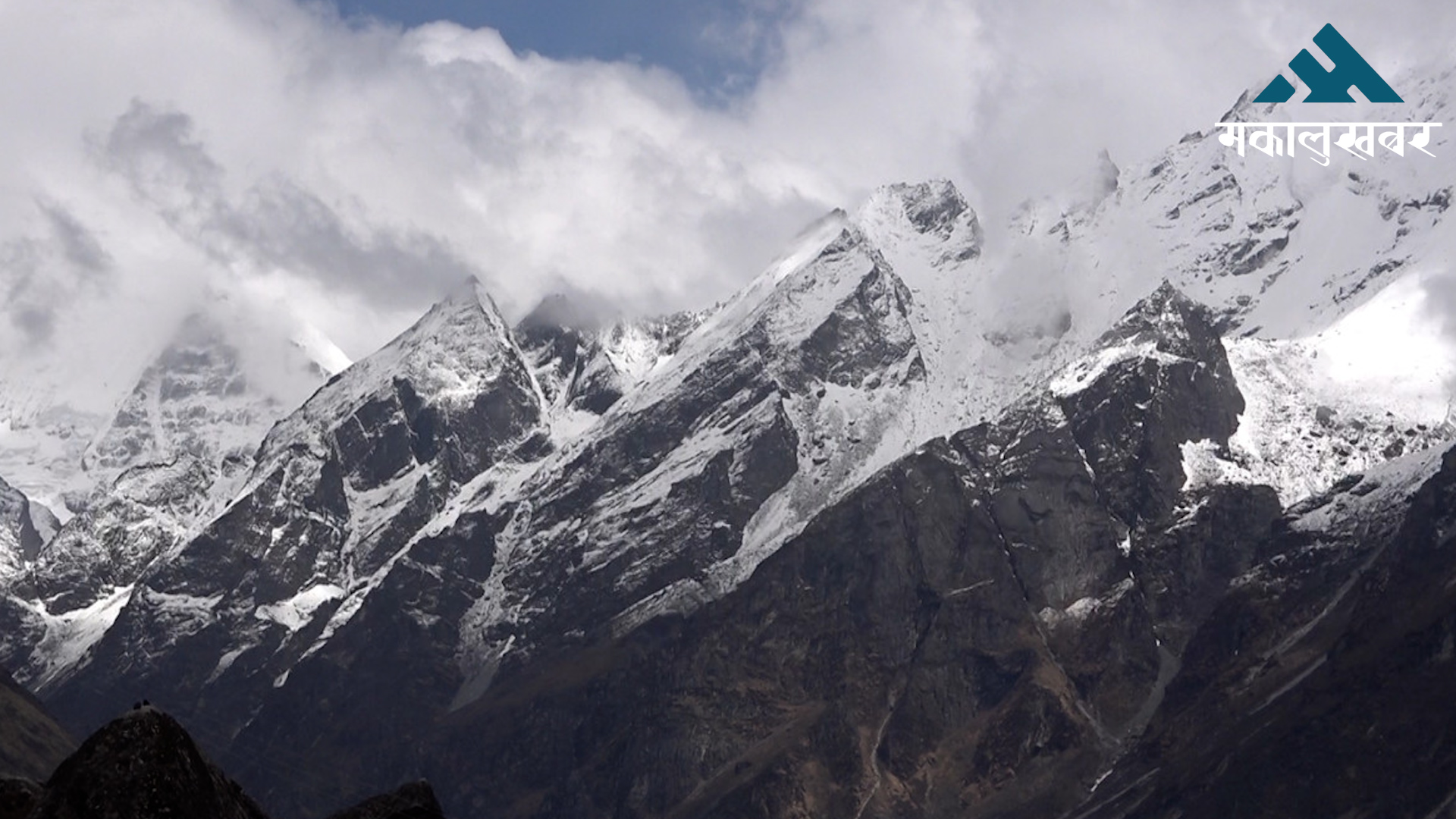
KATHMANDU: Two decades ago, the rooftops of homes in Nepal’s Langtang region, nestled in the Himalayan district of Rasuwa, remained buried under layers of snow for much of the year.
A shimmering glacier flowed close to the villages, and mornings began with children playing in sparkling snow crystals scattered in the courtyards.
Today, those memories feel like tales from a distant land, says Pasang Tamang, a local resident. “Even a brief rainfall or cloudy sky used to bring snow. Now, we cannot predict anything,” he shares, pointing toward the fading winter patterns.
The once-persistent glaciers have receded dramatically, confirms the chairperson of the Buffer Zone Users’ Committee under the Langtang National Park. “Twenty years ago, the glacier extended all the way down to the village. Now it has melted far uphill. Landslides were rare during the monsoon, but today, they strike without warning. Even trekking has become dangerous,” he added.
Pasang attributes these changes to the intensifying impacts of climate change and global warming. “We must walk cautiously in the mountains now—there’s no way of knowing when a landslide might hit.”
He even suspects the devastating 2015 earthquake might be indirectly linked to climate change. “As tourism in Langtang grows without proper management, the environmental impact only worsens,” he said, expressing concern that both the physical landscape and the tourism economy are under threat. “Our livelihood depends on tourism. But now, even that is in jeopardy.”
Local experiences offer a stark glimpse into the changing climate. Accelerated industrialization and unnatural rises in global temperatures are putting Himalayan ecosystems at serious risk.
Kancha Tamang, a hotel entrepreneur in Langtang, recalls snow once covering the area up to a meter high. “Now the snowlines are retreating,” he noted. He believes unregulated hotel operations in the region are exacerbating environmental degradation and urges the government to implement clear tourism standards.
Despite the increasing influx of tourists to Kyanjin Valley—Langtang’s prime trekking destination and the third most popular among trekkers in Nepal—the growing waste problem is casting a shadow. “Litter is everywhere,” said local Pasang Lopche. “Tourists are dismayed. Waste that was once buried is now being burned, increasing air pollution.”
The effects of climate change in Langtang are not just environmental—they are geographical, economic, and social. Glaciers are shrinking, landslides are increasing, and unpredictable weather events are disrupting local life.
As the snowlines rise, so does the outmigration of youth seeking better livelihoods elsewhere. Although Nepal often participates in global climate summits, locals say they feel excluded from the conversation. “Without including the voices of those directly impacted, such forums lose their meaning,” said Pasang.
Langtang stands as a living testament to the deepening climate crisis—where the disappearing snow is not just a loss of nature, but a loss of identity, livelihood, and hope.