Laam Pokhari in Loden awaits tourists amid untapped potential
Situated in the lush green meadows of Loden, the serene and oval-shaped lake is one of the major natural attractions of the region, captivating all who visit with its tranquil beauty.

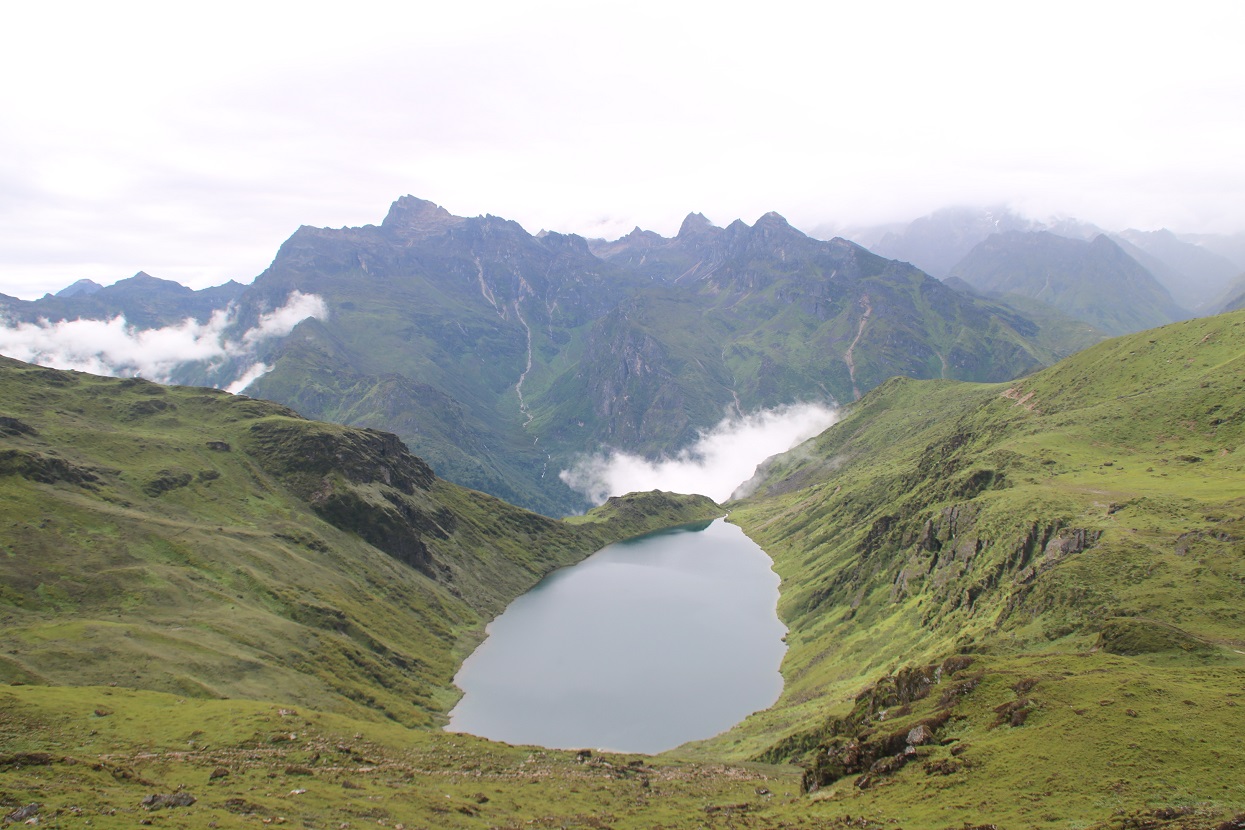
KATHMANDU: Laam Pokhari, nestled in the picturesque Loden area of Mikwakhola Rural Municipality-5, Taplejung, stands as a hidden gem awaiting discovery.
Situated in the lush green meadows of Loden, the serene and oval-shaped lake is one of the major natural attractions of the region, captivating all who visit with its tranquil beauty.
Taplejung district is home to several breathtaking destinations, including the world’s third-highest peak, Mt. Kanchenjunga, drawing adventure seekers, and the revered Pathibhara Temple for spiritual pilgrims.
Loden, adorned with rolling green hills, blooming rhododendrons, and pristine lakes, is emerging as a favorite for nature lovers and domestic trekkers.
According to Milan Limbu, a local who collects medicinal herbs in the area annually, Laam Pokhari is the largest lake in the region. Despite its size and charm, the lake has yet to be studied or researched by any official body.
Topla Sherpa, a ward member of Mikwakhola-5, shared that the lake holds deep cultural and spiritual significance, particularly for the local Sherpa community, who call it “Chonasing Pokhari.” Enveloped by green hills and surrounded by captivating natural beauty, the lake offers a peaceful retreat for visitors.
Pande Sherpa from Simbuk shared that tourists often spend time by the lake in quiet reflection, capturing its beauty through photography before heading back.
However, despite its potential, promotion and development efforts in the area have been limited.
Challenges persist due to the high-altitude terrain, where visitors may face altitude sickness and a lack of basic facilities.
Reaching Laam Pokhari typically requires a week-long trek. As there are no human settlements nearby, visitors rely on yak and sheep herder huts for shelter.
Some local families have built traditional shelters (dharma shalas and patis) in memory of loved ones, but food and other essentials must be carried in by the trekkers themselves.
Encouragingly, the local government has recently started to take an interest in promoting the area.
According to Ward Chair Gyanje Sherpa, the rural municipality has allocated a budget for tourism promotion in the current fiscal year, leading to a gradual rise in domestic visitors.
With proper infrastructure, research, and sustainable promotion, Laam Pokhari has the potential to become a premier eco-tourism destination in Nepal.