Japanese Encephalitis cases in Nepal rise to 33, death toll reaches 3
Just 10 days ago, only 13 cases had been confirmed, but the infection is spreading rapidly and has now reached 18 districts.

KATHMANDU: The number of Japanese Encephalitis (JE) cases in Nepal has climbed to 33, with three deaths reported, according to the Ministry of Health.
Just 10 days ago, only 13 cases had been confirmed, but the infection is spreading rapidly and has now reached 18 districts.
Official data shows the fatality rate is over nine percent.
Experts warn that the rising transmission rate is a clear sign the deadly disease is gaining ground nationwide.
In past years, thousands in Nepal have been infected, with most current patients and fatalities having never received the vaccine.
Dr. Yashovardhan Pradhan, former Director General of the Department of Health Services, stressed that vaccination remains the most proven and effective way to stop JE transmission. “With a new outbreak emerging, the only way to save lives and prevent further impact is vaccination,” he said.
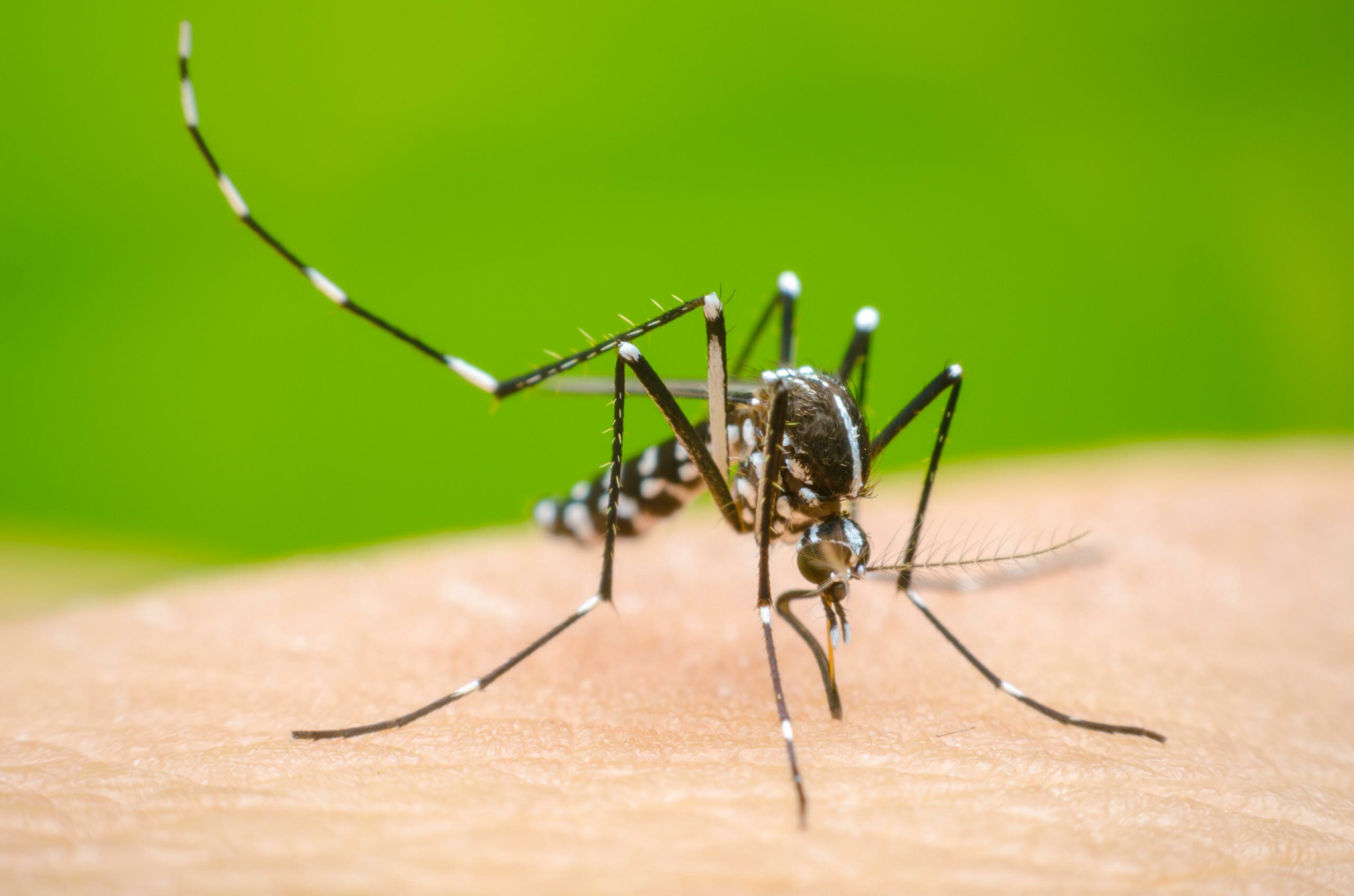
Japanese Encephalitis is a viral disease found in parts of Asia and the Western Pacific that affects the brain.
The World Health Organization (WHO) classifies it in the same flavivirus family as dengue, Zika, yellow fever, and West Nile virus, all of which are spread by mosquitoes.
According to WHO, the virus kills about one-third of those who develop severe symptoms, while half of the survivors suffer permanent neurological damage.
Last year, JE claimed 23 lives in Nepal and infected more than 80 people.
Doctors suspect the true number was much higher, as only those with severe symptoms were hospitalized and confirmed.
This year, cases have been detected in Morang, Bara, Jhapa, Saptari, Siraha, Sarlahi, Parsa, West Nawalparasi, Sindhuli, Bardiya, and Chitwan, among others.
The ministry’s data shows children under 15 face a higher mortality rate than adults.
Experts warn that unvaccinated individuals are at far greater risk of death or severe complications, yet the government currently has no immediate plan to provide the vaccine.
Dr. Abhiyan Gautam, head of the Immunization Section under the Family Welfare Division, said the vaccine is currently unavailable.
“We have the capacity and manpower, but no vaccines. We lack the budget to procure them and have appealed to development partners, but received no positive response,” he said.
In the meantime, health authorities have launched awareness campaigns, environmental management to control mosquito breeding, and training for medical staff in case management.
However, the rising number of infections in the Terai districts suggests these measures have had limited success.
Dr. Vivek Kumar Lal, Director of the Family Welfare Division, echoed the urgency. “We know how dangerous JE is, yet we are unable to vaccinate unprotected populations. We’ve repeatedly asked development partners for help, but so far, we’ve received none,” he said.
In 2005, JE killed about 2,000 people in Nepal, mostly children from the Terai region.
The vaccination program began in 2006, first covering four high-risk districts—Banke, Bardiya, Dang, and Kailali—before expanding to 19 more. Children under 15 were prioritized.
In 2015, the JE vaccine was integrated into Nepal’s routine immunization program. However, outbreaks persist each year. “The Ministry of Health spends only about 60 percent of its allocated budget annually,” Dr. Pradhan noted. “Alongside vaccination, authorities must adopt other strong measures to curb the spread of this deadly disease.”