Int’l Day of Zero Tolerance for FGM observed worldwide
Each year, an estimated four million girls are at risk of being subjected to the practice, with over two million affected before the age of five.

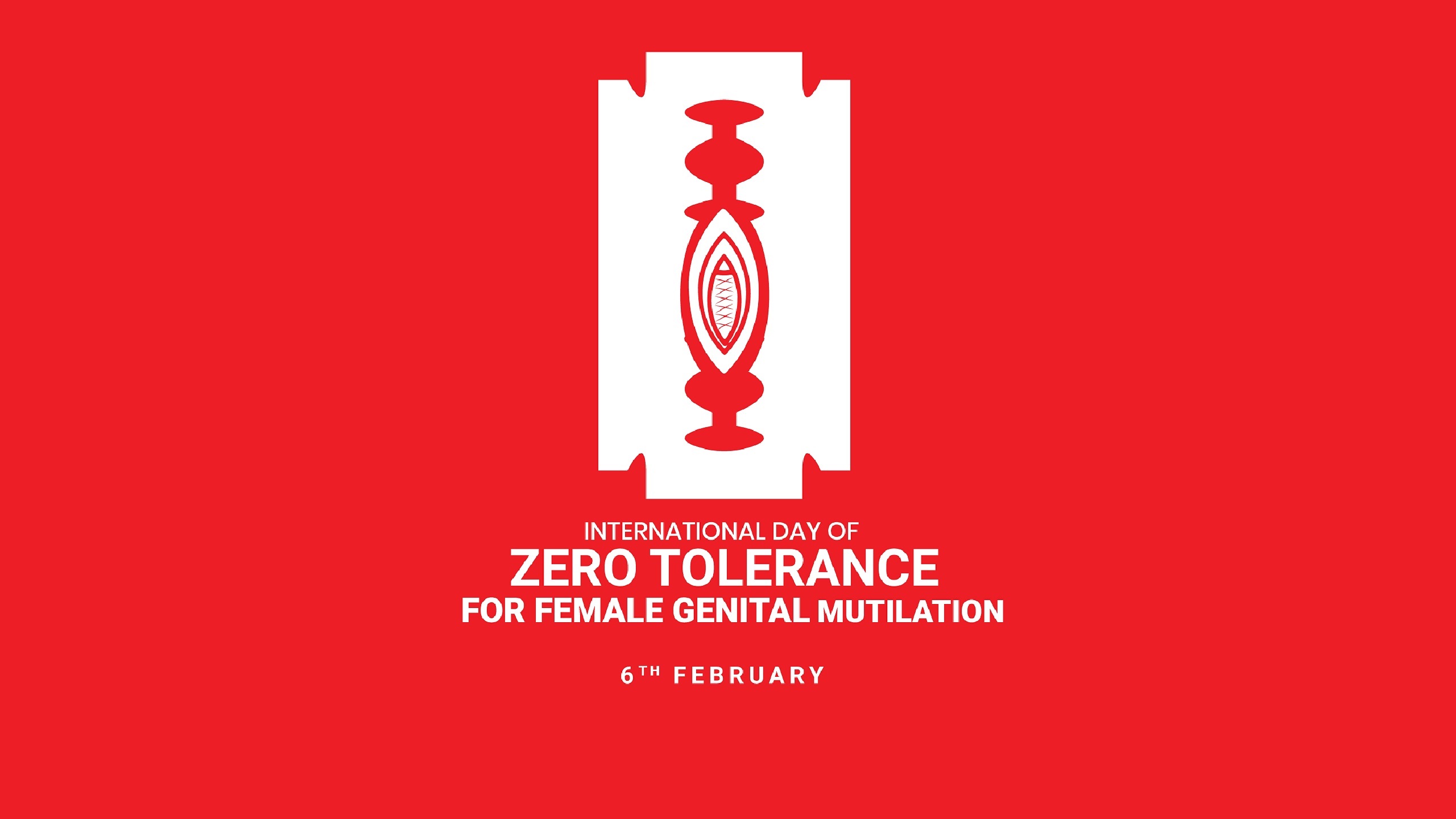
KATHMANDU: The International Day of Zero Tolerance for Female Genital Mutilation (FGM) is being observed today, Feb 6, to strengthen global efforts to end the harmful practice and protect the rights of women and girls.
The United Nations General Assembly declared Feb 6 as the International Day of Zero Tolerance for FGM in 2012, aiming to intensify awareness, advocacy, and coordinated action to eliminate the practice worldwide.
The observance underscores the need for sustained commitment and investment from governments, civil society organizations, local communities, philanthropic institutions, and the international community to accelerate progress toward ending FGM.
According to the United Nations, more than 230 million women and girls alive today have undergone FGM, many of whom require specialized health care, protection, and psychosocial support.
Each year, an estimated four million girls are at risk of being subjected to the practice, with over two million affected before the age of five.
Marking the day, UN Secretary-General António Guterres called for renewed global commitment to safeguarding the rights of women and girls.
“Ensuring that women and girls can live free from violence and fear is our shared responsibility,” he said. “Together, we can end this injustice once and for all.”
Similarly, the United Nations Population Fund (UNFPA) and UNICEF have urged the global community to take decisive action to ensure that every woman, girl, and child can live free from female genital mutilation, emphasizing prevention, survivor support, and community-led change.
FGM is internationally recognized as a violation of human rights, reflecting deep-rooted gender inequality and discrimination.
While progress has been made in several countries, the UN warns that accelerated and collective action is essential to meet global targets to end the practice.