Horseback campaigns allowed as vehicle use tightened
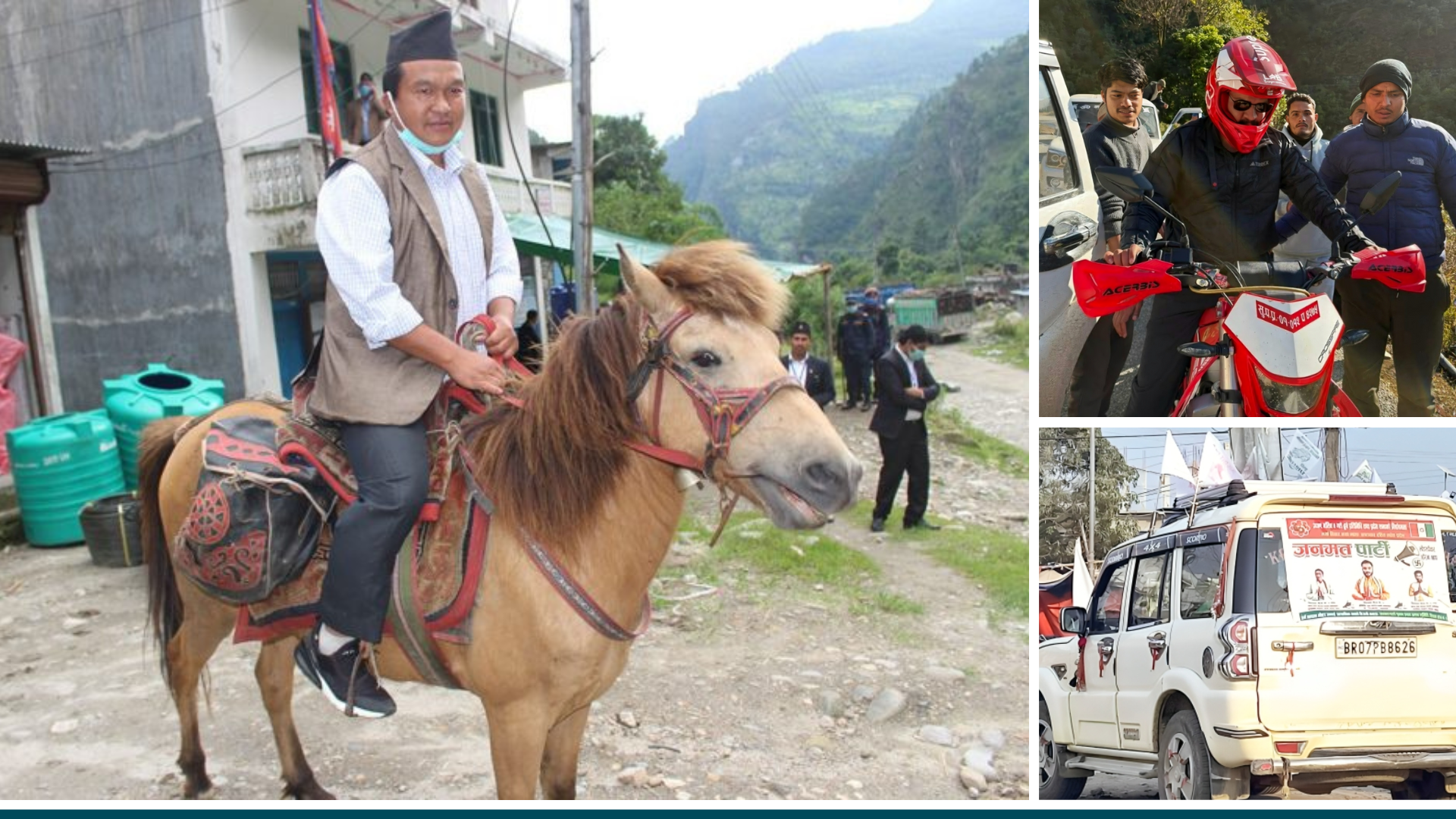
In areas where roads are inaccessible, candidates will be permitted to use up to four horses.

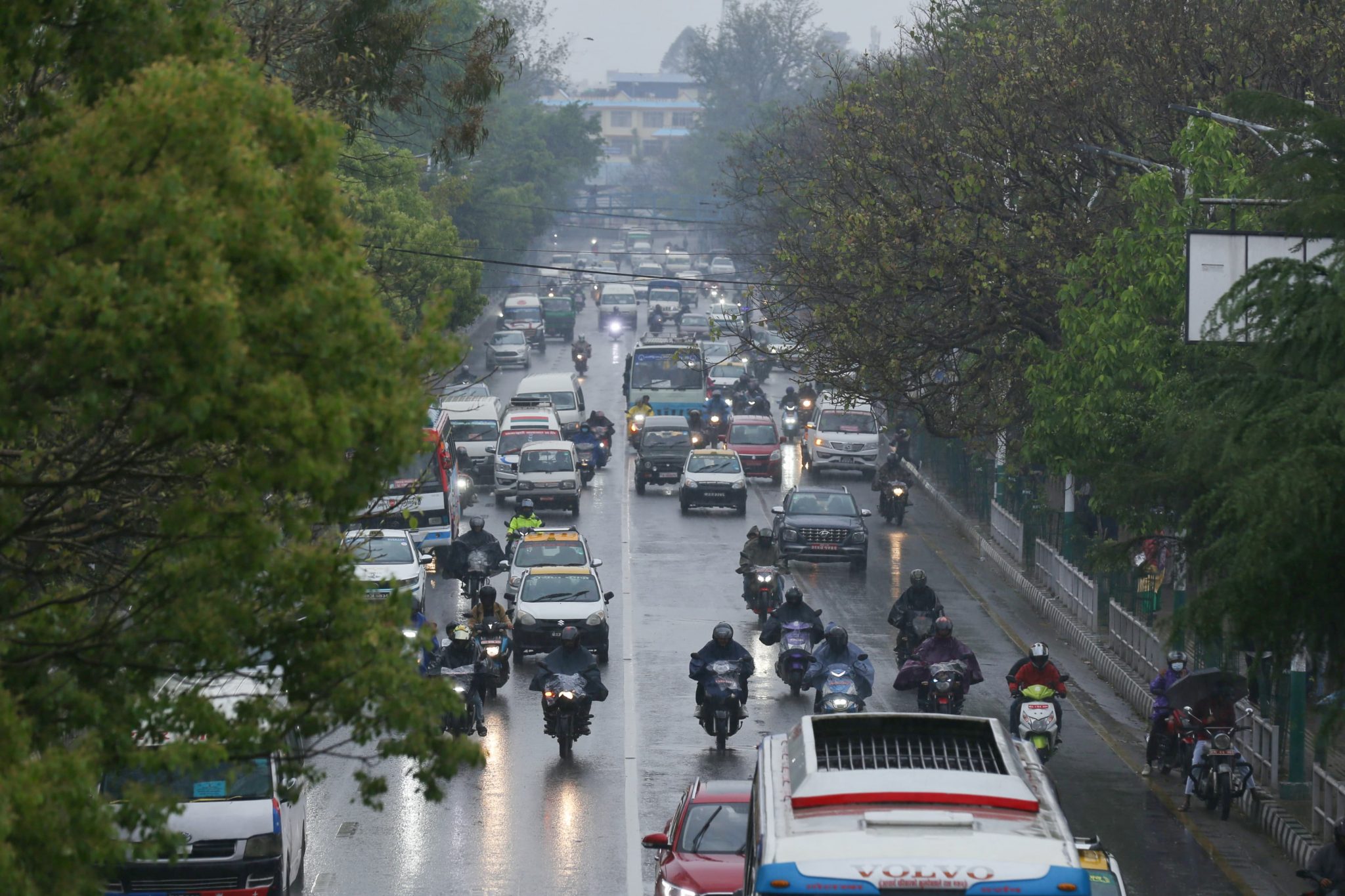
KATHMANDU: The Election Commission has imposed strict limits on the use of vehicles for the upcoming elections, allowing candidates to use a maximum of two motorcycles and two vehicles.
In areas where roads are inaccessible, candidates will be permitted to use up to four horses.
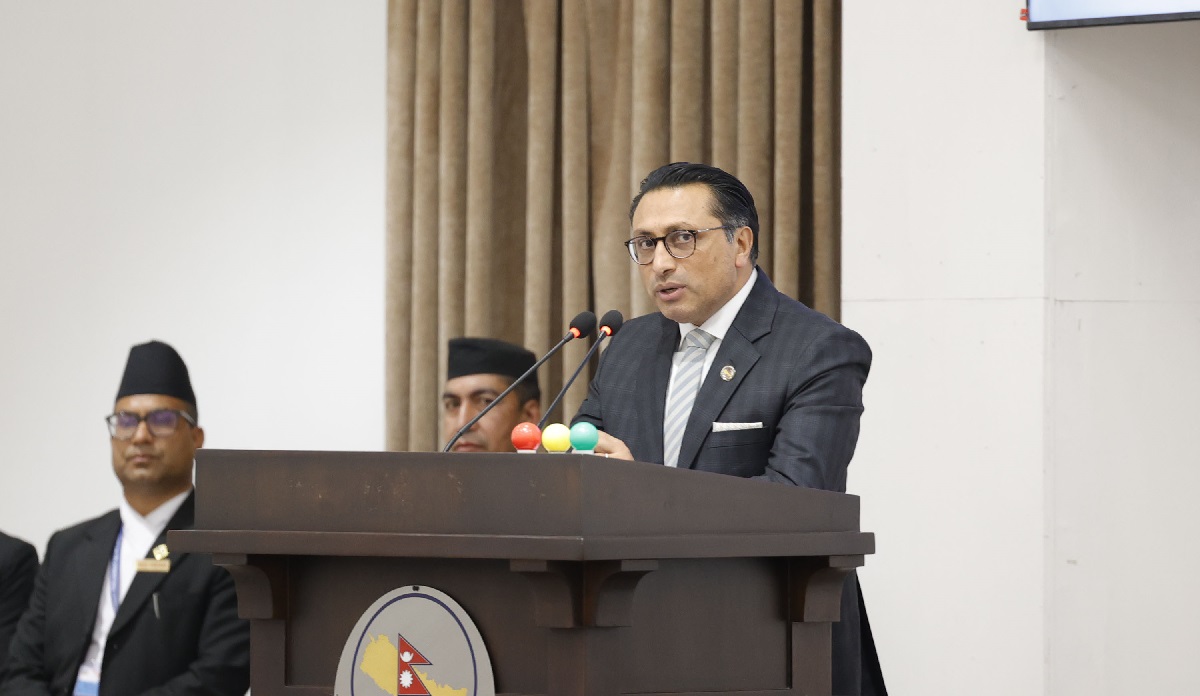
Issuing the Vehicle Use Authorization Procedure, 2082 on Wednesday, the Commission said the new rules aim to make the election process disciplined, dignified, and cost-effective by reducing unnecessary extravagance. The upcoming election is scheduled for Falgun 21.
According to the Commission, the procedure has been enforced to regulate, control, and manage the use of vehicles during the election campaign period and on polling day.
The guidelines clearly define the process for granting permission to political parties, candidates, and their representatives to use vehicles for election purposes.
As per the procedure approved on Magh 20, political parties, candidates, or their election representatives must submit an application in the prescribed format to the concerned Election Officer to obtain a vehicle permit.
Upon receiving the application, the Election Officer will issue permits strictly within the prescribed limits.
New Provisions for Local Level Elections
For local level elections, candidates for mayor or deputy mayor in metropolitan and sub-metropolitan cities will be allowed to use a maximum of two light vehicles.
Candidates for mayor, deputy mayor, chairperson, or vice-chairperson in municipalities and rural municipalities will be permitted to use one light vehicle.
Ward chairperson and ward member candidates will be allowed to use one vehicle only within their respective wards.
In areas where vehicles cannot operate, mayoral and deputy mayoral candidates in municipalities and rural municipalities may use up to two horses, while ward-level candidates may use one horse.
The Commission has also made it mandatory to inform candidates that vehicles cannot be used during the silent period while issuing permits.
The silent period begins 48 hours before polling day and continues until voting is completed.
If vehicles are used without authorization or if permitted vehicles are used during the silent period, such vehicles will be seized and returned only after the election concludes.
The District Code of Conduct Monitoring Committee has been tasked with regular monitoring and directing the local administration to seize vehicles in case of violations.
On polling day, no vehicles other than those with official permission will be allowed to operate. However, this restriction will not apply to air services.
The procedure allows vehicle use on polling day for candidates, security personnel, constitutional bodies and officials, the National Information Commission, observers, diplomatic missions, United Nations agencies, media personnel, foreign tourists, international organizations, monitors, distinguished guests, and other entities or individuals designated by the Commission.
Candidates or their representatives seeking permission to use vehicles on polling day must submit an application to the Chief Election Officer or Election Officer, attaching a copy of the candidate’s identity card. Other institutions or officials must apply with an official letter at least two days before polling day.
In Kathmandu district, the permission process will be handled through a centralized Vehicle Movement Desk to be established within the Commission’s premises.
In other districts, vehicle permits will be issued by the District Administration Office in coordination with the Chief Election Officer.
The Commission has also clarified that vehicles bearing foreign number plates will not be permitted for election campaigning.
However, emergency and essential service vehicles—including ambulances, fire engines, drinking water tankers, milk transport vehicles, hearses, hospital service vehicles, telecommunications and electricity service vehicles, as well as diplomatic vehicles with “CD” number plates—will be exempt from the permission requirement.