HoR election: Cost per voter set at Rs 1,011
The Ministry of Finance has approved a total budget of Rs 1.911 billion for the elections.

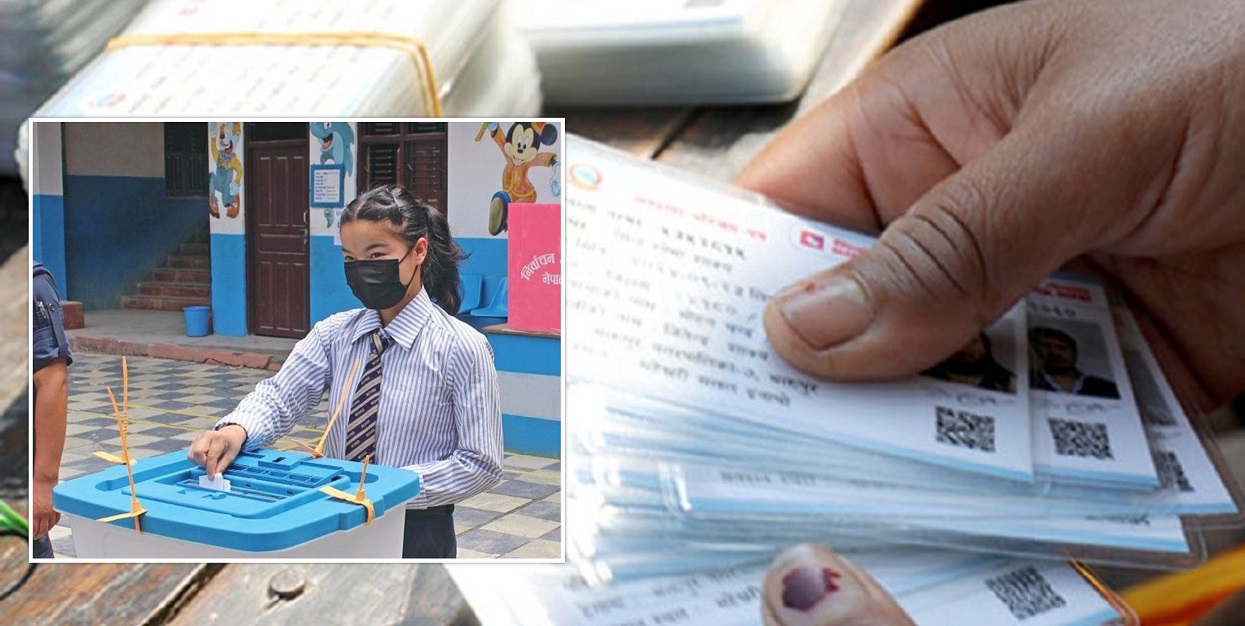
KATHMANDU: As Nepal gears up for the House of Representatives elections scheduled for March 5, the financial burden on the state treasury is set to rise significantly.
Following the political shifts after the Gen Z movement, this election, aimed at securing a new mandate, is projected to cost Rs 1,010.91 per voter.
The Ministry of Finance has approved a total budget of Rs 1.911 billion for the elections.
With 1,893,689 registered voters, the analysis of election expenditure highlights the rising cost of sustaining Nepal’s democratic process.
The largest share of spending is allocated to election security, particularly for the recruitment of election police personnel.
Around 149,090 election police will be deployed, costing the government Rs 794.10 million, with the Nepal Police utilizing Rs 713 million and the Armed Police Force Rs 80.84 million.
This accounts for 41.55% of the total budget, while security expenditure overall, managed through the Ministries of Home and Defense, represents 64.78% of total spending.
In comparison, the general election of 10 Mangsir 2079 (26 Nov, 2022) recorded a per-voter cost of Rs 1,068, during which the House of Representatives and Provincial Assembly elections were held simultaneously.
Despite only the House of Representatives election being conducted this time, the per-voter cost of Rs 1,010 indicates that elections are becoming increasingly expensive.
A separate Provincial Assembly election in two years will further add billions to the state’s obligations.
According to Ministry of Finance spokesperson Tanka Prasad Pandey, the increase in voter numbers, expansion of polling stations, and rising security sensitivities are the main drivers of the higher cost.
Former Election Commission Secretary Gopinath Mainali notes that Nepal treats elections more as an “event” than a long-term process, which contributes to rising expenditure. “Preparations often begin only after the election date is announced, and coordination with security agencies is insufficient, driving up costs,” Mainali said. “Many tasks could be pre-planned, but last-minute arrangements always increase financial burden.”
The uncontrolled and unproductive election expenditure directly impacts citizens, as the campaign season pushes prices of essential commodities such as food, clothing, and medicine unusually high.
Experts warn that both party spending and state investment in elections could accelerate inflation and destabilize the economy.