Historic Sindhuligadhi captivates tourists (photos)
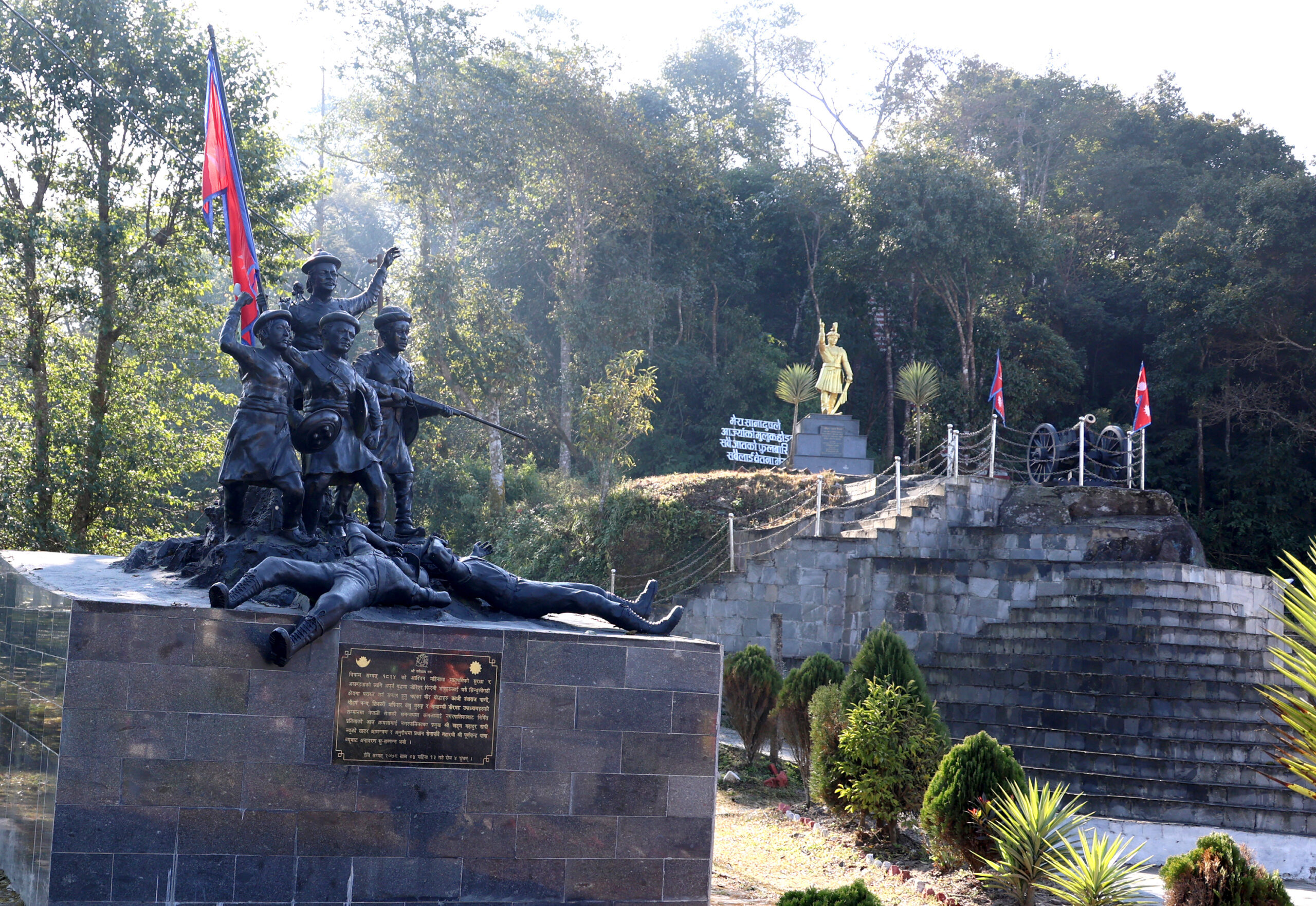
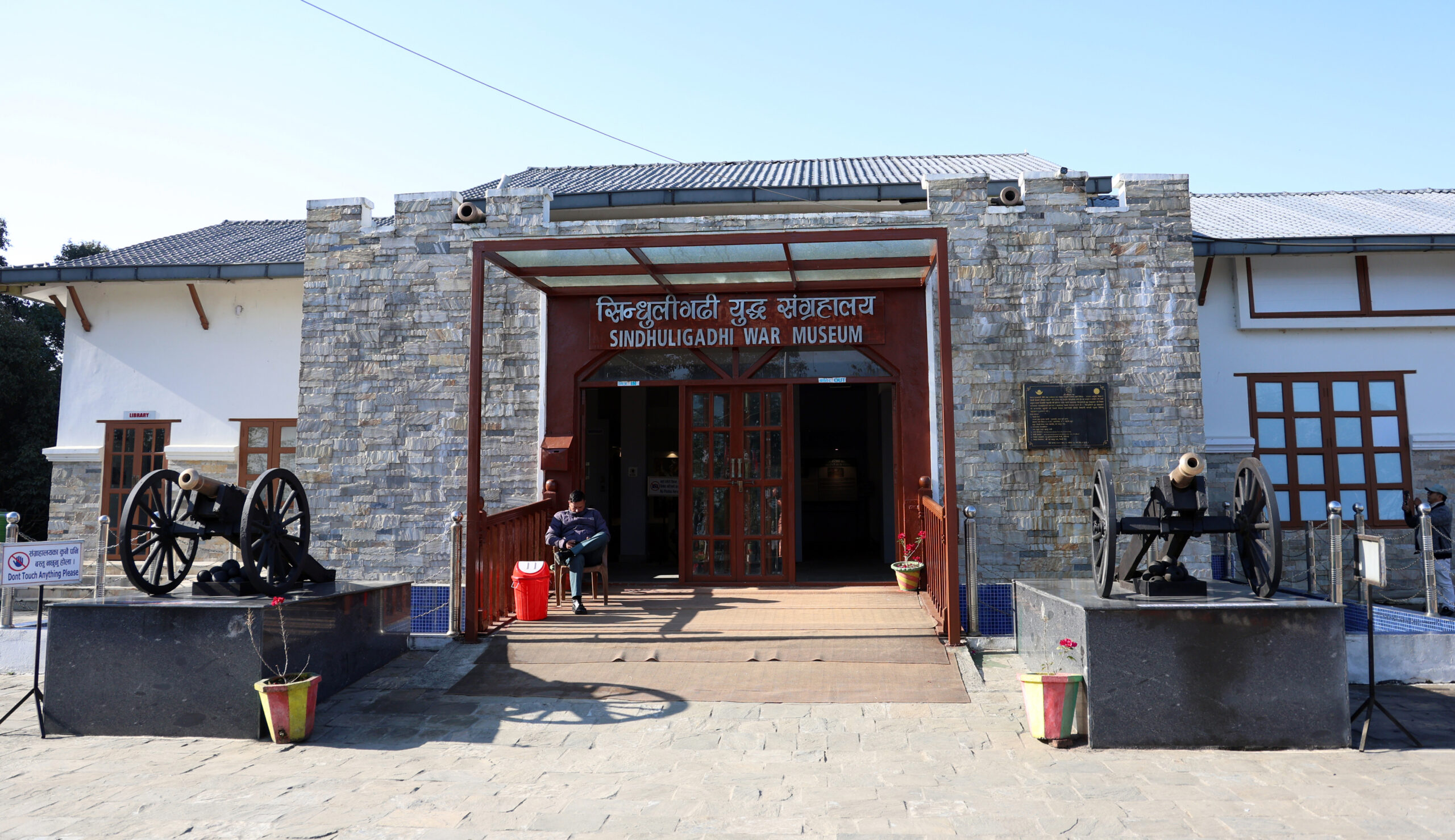
At Sindhuligadhi, tourists can visit the War Museum, which houses artifacts, weapons, and displays chronicling the battles that shaped Nepal’s history.

KATHMANDU: Sindhuligadhi, rich in historical significance and natural beauty, has witnessed a notable surge in tourist arrivals in recent times.
The increase in visitors follows the completion of reconstruction works and the establishment of the Sindhuligadhi War Museum under a national pride project.
These developments have significantly boosted the attraction of the site among both domestic and international tourists.
Located about 20 kilometers from Sindhulimadhi, the district headquarters, and Khurkot Bazaar, Sindhuligadhi currently welcomes more than 200 visitors daily.
According to Uddhav Shrestha, President of the National Photojournalists Group Nepal, Sindhuli Chapter, the steady rise in tourist arrivals is largely due to the reconstruction of the historic fort and palaces, along with the operation of the war museum.
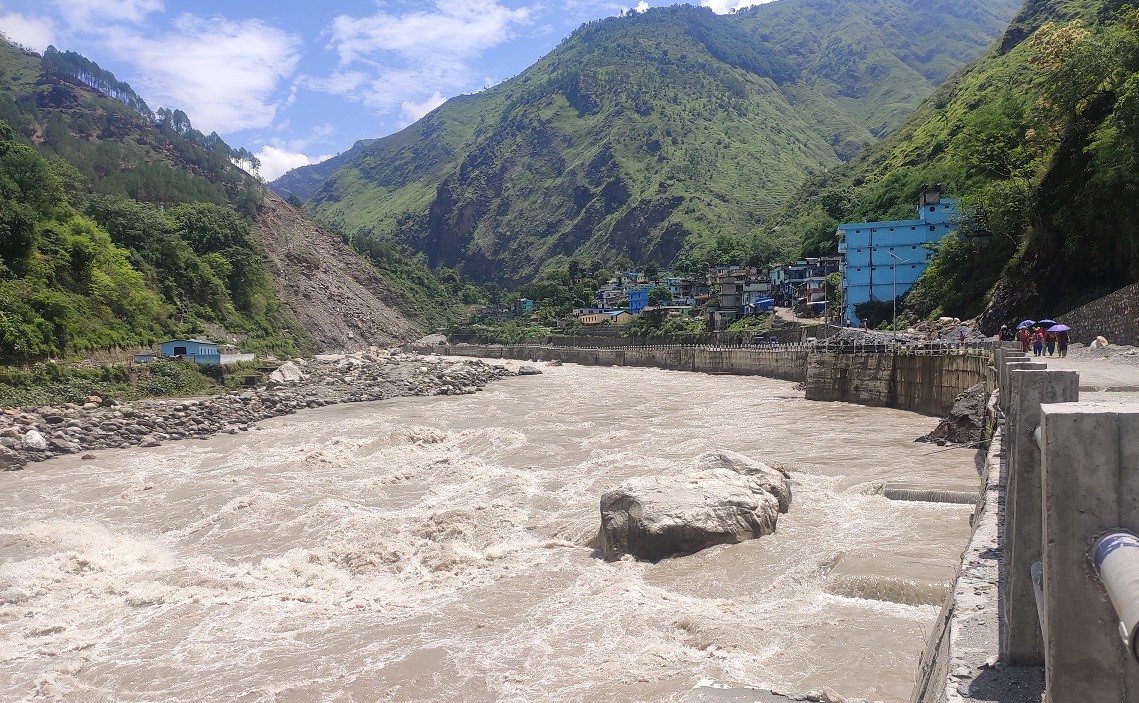
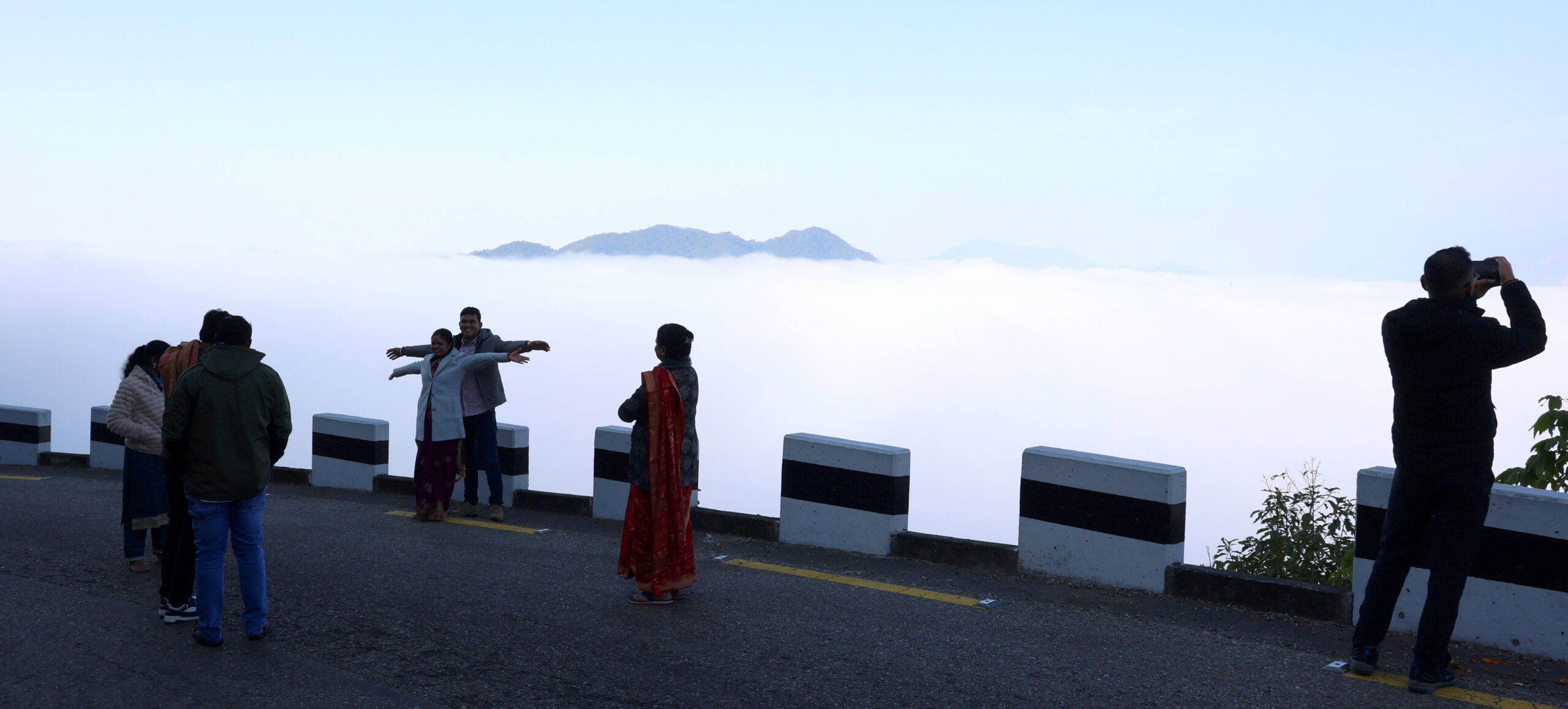
Reaching Sindhuligadhi via the winding hill road, visitors are drawn by its year-round misty weather and breathtaking natural scenery.
The destination has become particularly popular among tourists from the Terai region during both summer and winter, who are attracted by its cool climate, refreshing breeze, and historical importance.
With the ongoing season of Sindhuli’s famous sweet oranges and junar, both Indian and domestic tourists are purchasing local fruits as gifts, said local trader Gopal Shrestha.
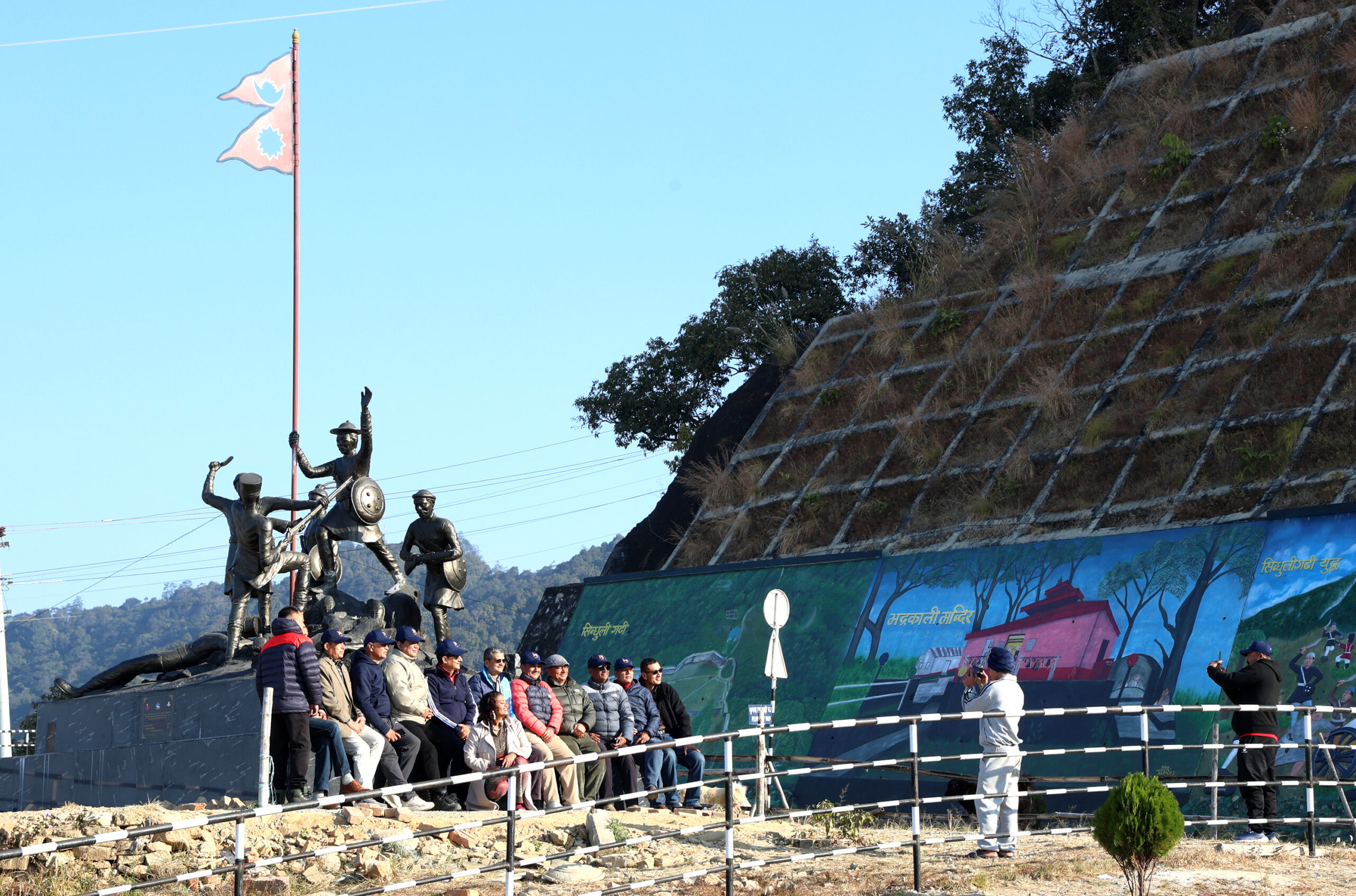
He added that the sale of junar, oranges, and locally grown vegetables has had a positive impact on the area’s economic activities.
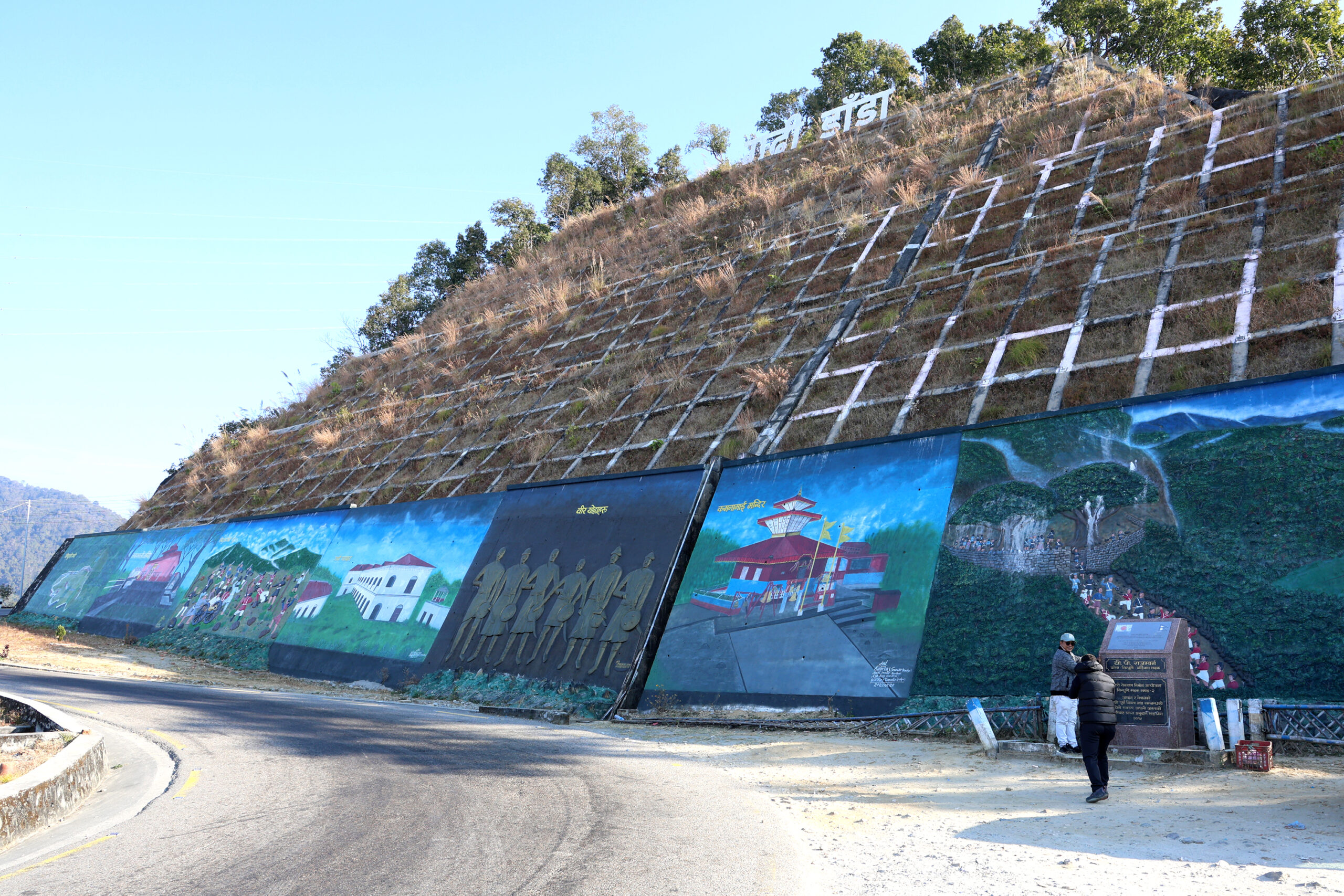
Often described as a living document of the Nepal–British War, Sindhuligadhi has seen significant infrastructure development following the introduction of the federal system.
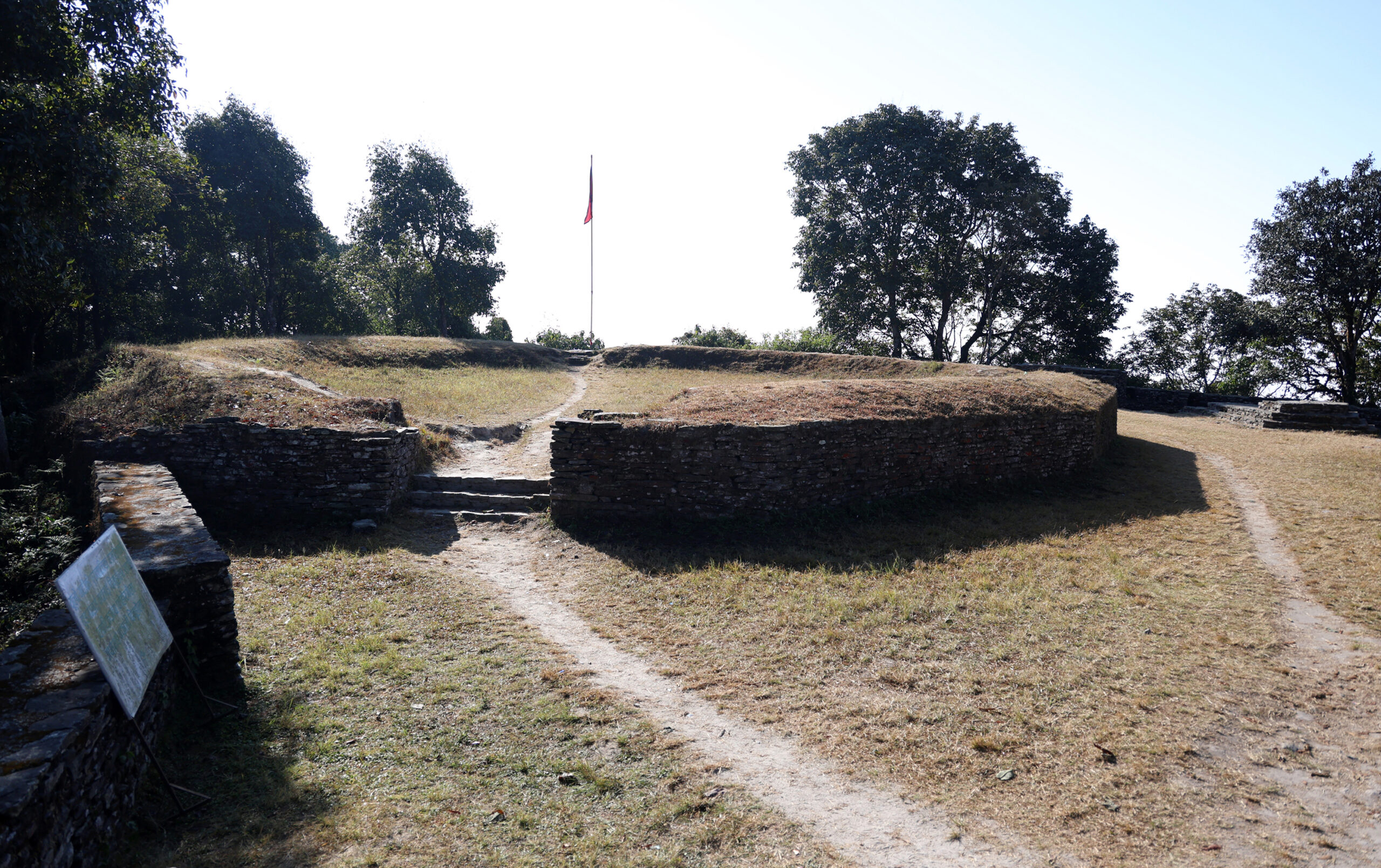
Under the jurisdiction of Kamalamai Municipality, the war museum was constructed with financial support of approximately Rs 80 million from the Nepal Army, further increasing tourist footfall.
The museum displays cannons, traditional weapons, war equipment, and documentary exhibitions related to historic battles.
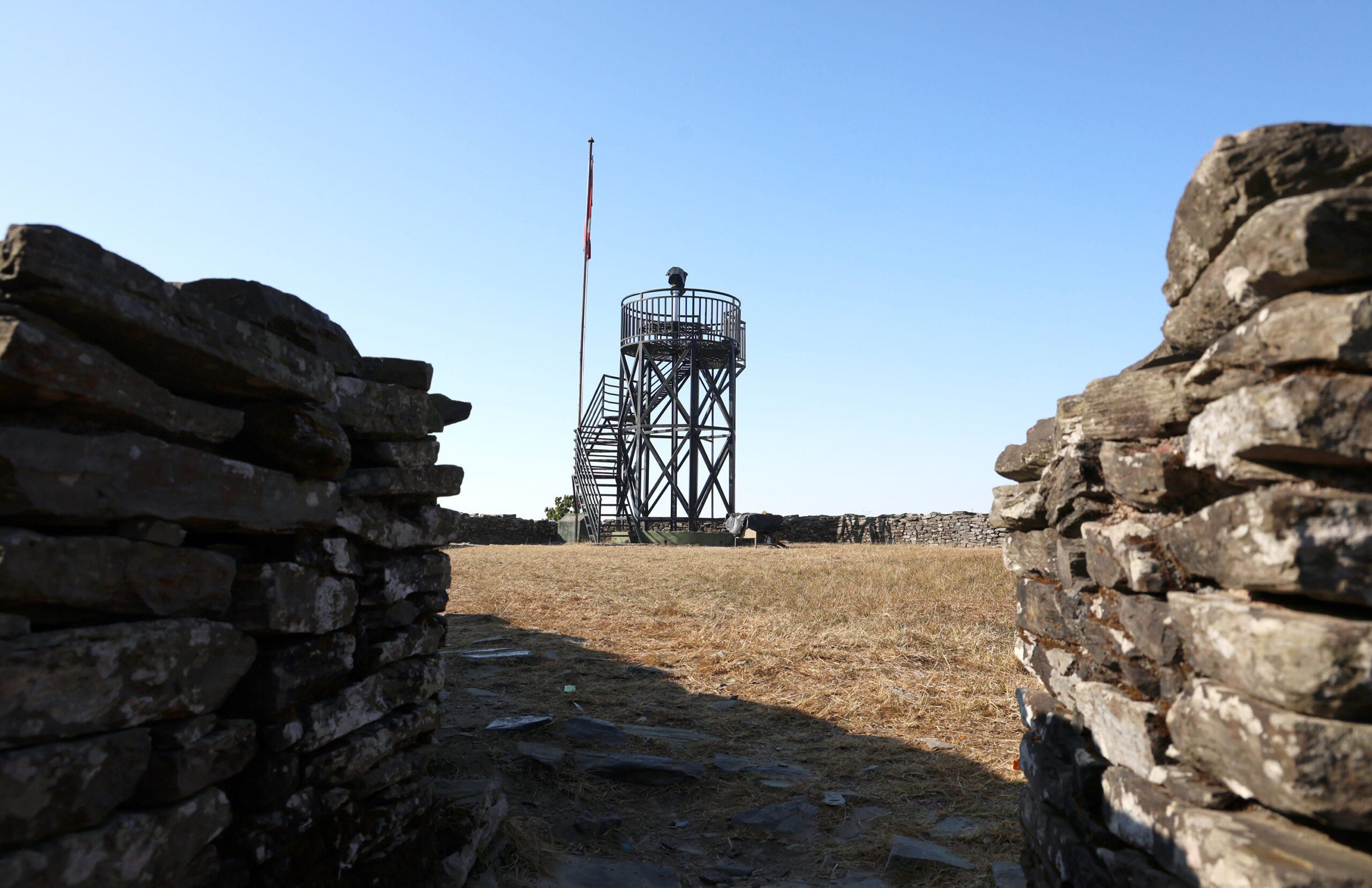
Visitor numbers peak during the Nepali and English New Year celebrations, Saturdays, and public holidays, when more than 1,000 domestic and Indian tourists visit the site in a single day, according to local traders.
Over the past year, foreign tourists from countries including the United States, the United Kingdom, Australia, Japan, Sri Lanka, Pakistan, and India have also begun visiting Sindhuligadhi.
Former Kamalamai Municipality Mayor Khadga Bahadur Khatri said visitors can explore key attractions such as the War Museum, Rani Palace, Thundo Palace, views of Ganesh Himal, the fertile plains of the Terai, and rare medicinal herbs found in the Mahabharat range.
Local residents believe that Sindhuligadhi’s unique blend of historical importance, scenic beauty, and improved infrastructure is steadily establishing it as one of Nepal’s prominent tourist destinations.