Health Minister announces major health reforms & expansion plans
Minister Mehta reaffirmed the government’s commitment to implementing health services as a fundamental right of citizens.

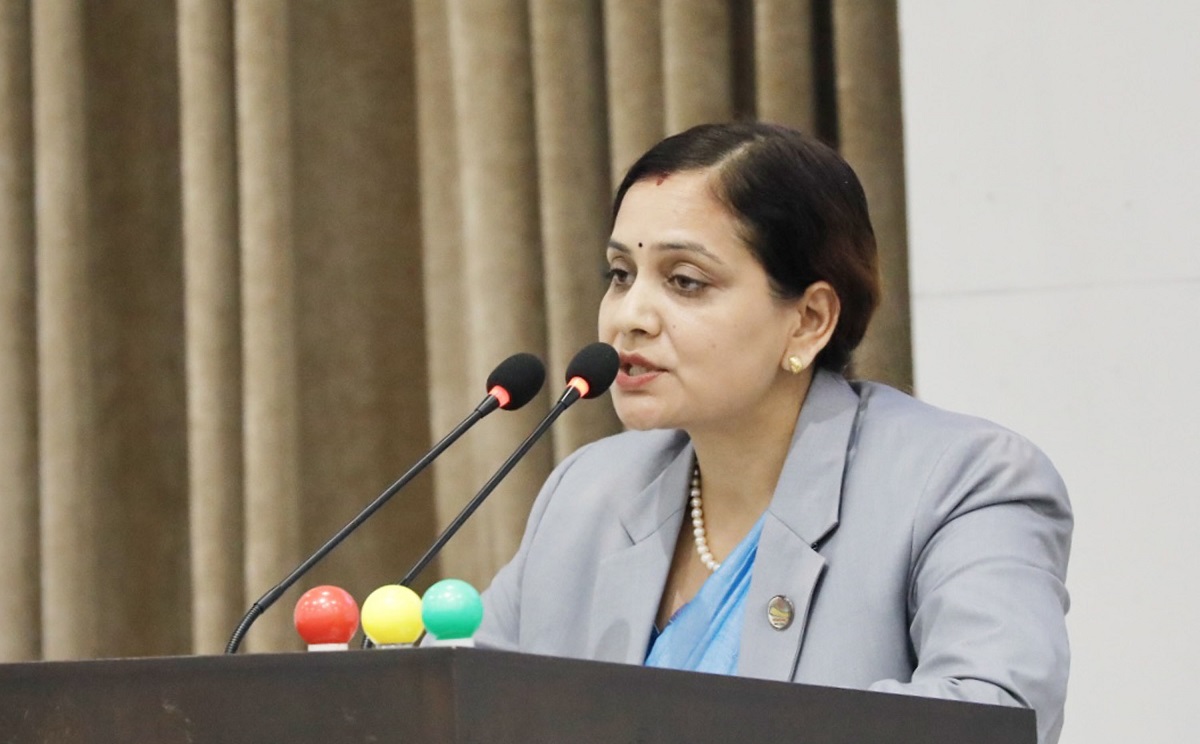
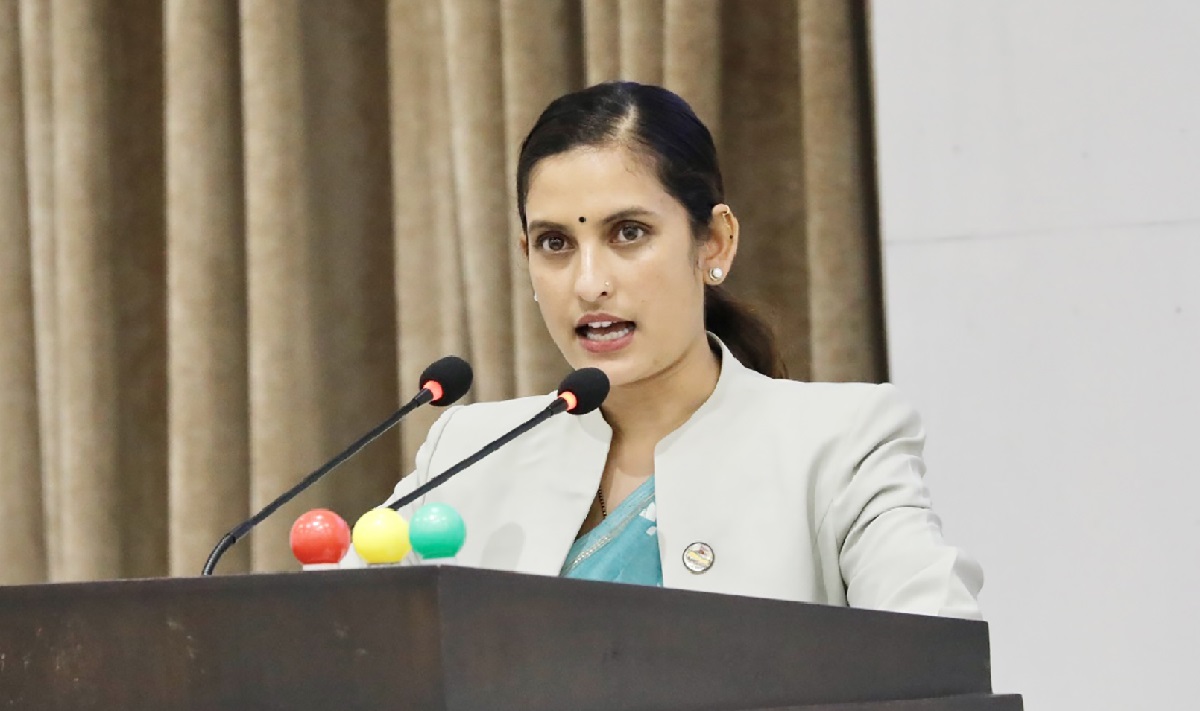
KATHMANDU: Health and Food Safety Minister Nisha Mehta has stated that comprehensive improvement in the health sector is essential for building a prosperous society and a strong nation.
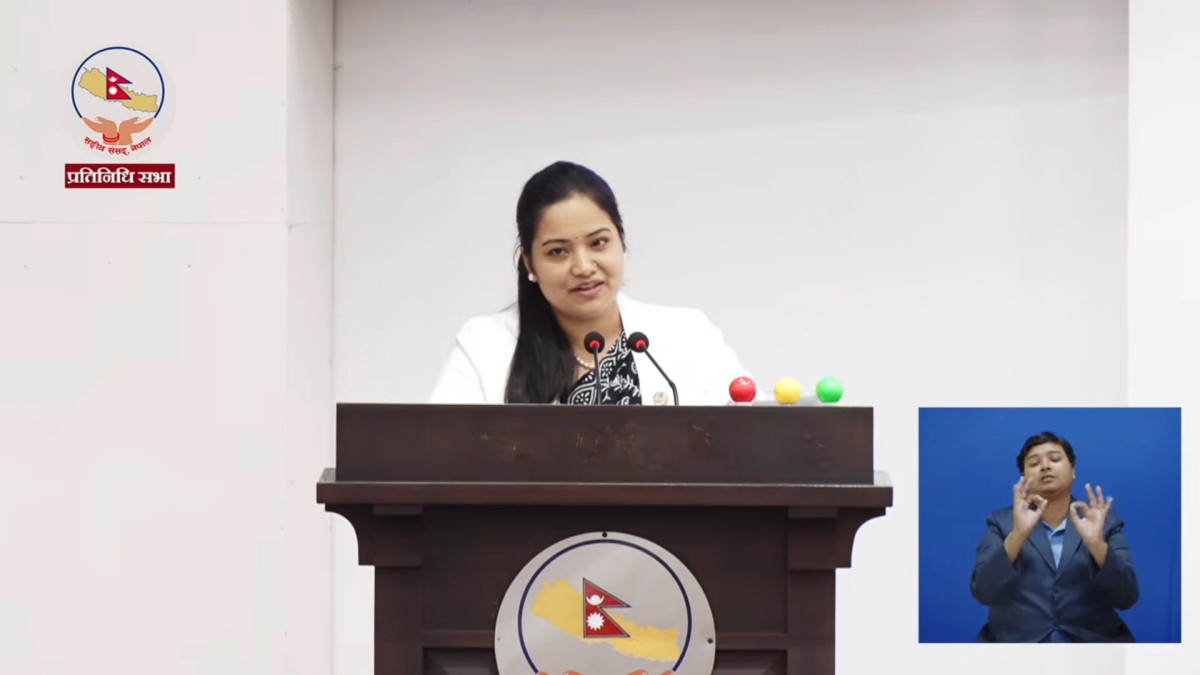
Responding to questions raised by Members of Parliament during Wednesday’s House of Representatives meeting on the Ministry’s annual budget and programs, Minister Mehta reaffirmed the government’s commitment to implementing health services as a fundamental right of citizens.
She informed that although the World Health Organization (WHO) recommends allocating 10 percent of the total budget to the health sector, Nepal has currently been able to allocate only 4.8 percent. She also clarified that of the total ministry budget, 6 percent has been transferred as grants to provincial governments and 36 percent to local levels.
Minister Mehta noted that at the 79th World Health Assembly of the WHO, Nepal strongly raised issues related to technical assistance and humanitarian support for low-resource countries.
Addressing concerns over the shortage of rabies vaccines in hospitals, she explained that delays in the procurement process had caused temporary disruptions. However, she confirmed that 14,474 vials are currently in stock nationwide, and an additional 4,500 vials from WHO assistance are in the final stages of procurement. She further announced that a multi-year procurement system will be introduced to prevent future shortages.
She also stated that the government is preparing to introduce an automatic pricing system to address shortages of cancer treatment medicines. According to her, cancer medicines are currently available in 11 health institutions, and focal persons have been designated to assist patients.
Out of 657 local levels across the country, 109 basic hospitals have been completed, while 336 are under construction under the government’s expansion plan for basic hospital infrastructure.
Prioritizing burn treatment services, the government has announced the establishment of a NPR 2 billion Burn Fund in the upcoming fiscal year. Additional budget has been allocated to the Kirtipur Burn Hospital and Bir Hospital, and a related bill on burn treatment will be tabled in Parliament next year.
To improve healthcare access in remote areas, telemedicine services and the deployment of scholarship-trained doctors have been intensified. According to the Minister, around 2,000 health workers are currently deployed in remote regions.
Plans for the coming year include establishing a kidney treatment center and trauma center in Madhesh Province, as well as a National Neuroscience Center in Kathmandu, with land acquisition and detailed project report (DPR) work to be completed.
She also confirmed that sufficient anti-snake venom is available in 103 treatment centers across the country.
Work has begun on formulating a national mental health policy, and programs have been funded across all 753 local levels. Suicide prevention efforts include the expansion of the 1166 helpline and the operation of one-stop crisis management centers in 97 hospitals across all 77 districts.
Highlighting priority support for health insurance, Minister Mehta said NPR 15 billion has been allocated this year. She added that reforms are being introduced, including amendments to the Health Insurance Act, mandatory enrollment of the organized sector, and separating basic health services from the insurance system.
Concluding her remarks, Minister Mehta reaffirmed plans to strengthen food and drug administration systems and establish a disease control center, stressing the need for multisectoral coordination to address challenges in the health sector.