Govt to start squatter land ownership distribution from Mid-Asar: Minister Rawal
She criticized previous commissions formed to address the squatters’ problem, calling them “political recruitment centers” that failed to deliver results.

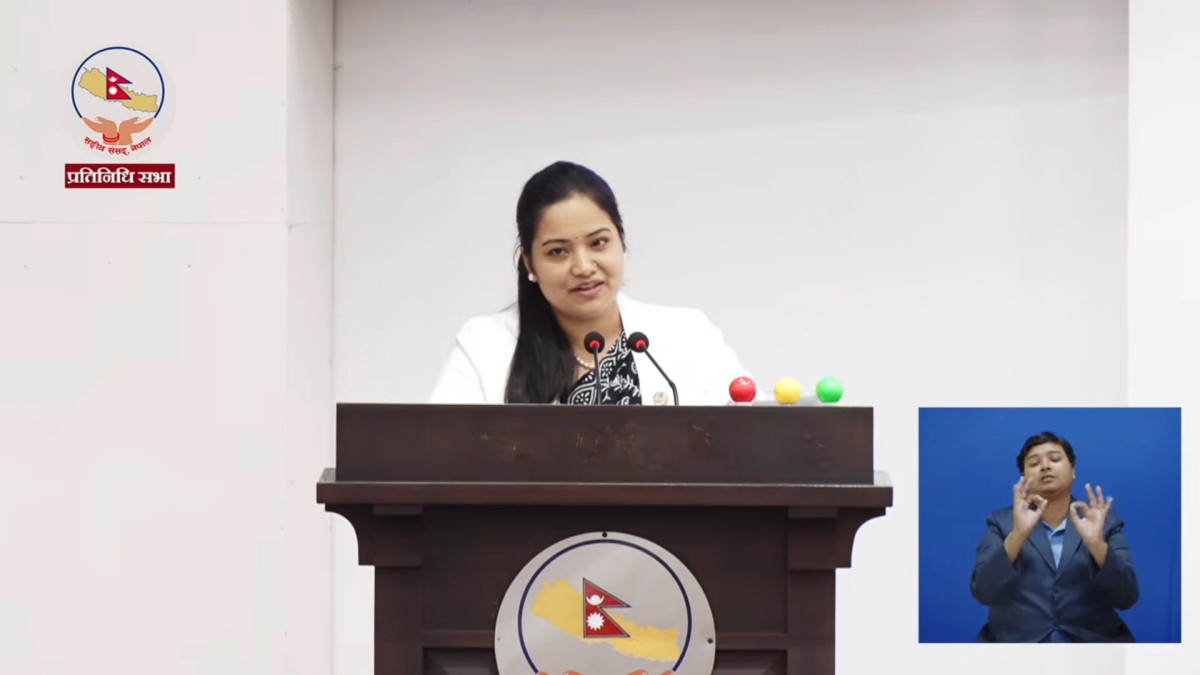
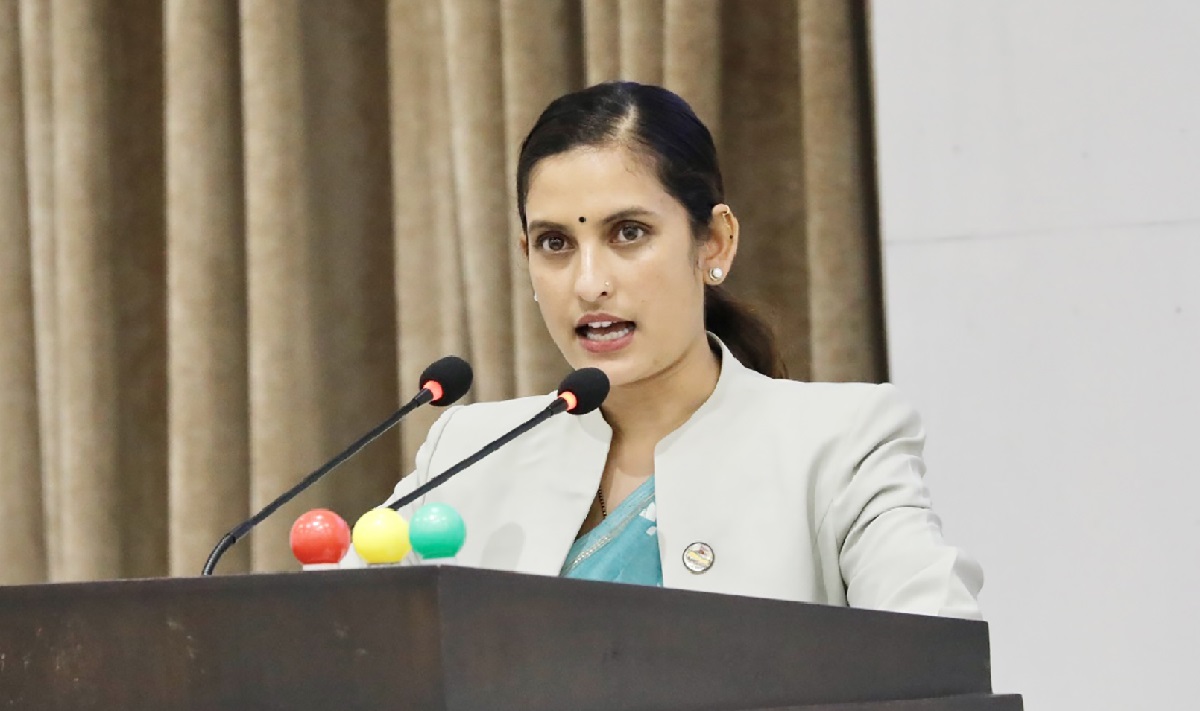
KATHMANDU: Minister for Land Management, Cooperatives and Federal Affairs, Pratibha Rawal, has announced that the government will begin distributing land ownership certificates (land deeds) to squatters starting from the third week of Asar.
Responding to lawmakers’ questions during Wednesday’s session of the House of Representatives on budget allocations related to her ministry, Minister Rawal said the government is working under a new framework to resolve long-standing landlessness issues.
She criticized previous commissions formed to address the squatters’ problem, calling them “political recruitment centers” that failed to deliver results.
According to her, although around 1.2 million applications have been received over the past 30 years, only about 9,000 people have been granted land ownership certificates so far—describing the outcome as “shameful.”
The minister stated that the government has now restructured the system, forming a new mechanism where committees led by Chief District Officers (CDOs) at the district level will handle squatters’ management, while a central committee of experts will oversee policy and coordination.
On the cooperative sector, Minister Rawal clarified that no state funds have been used to return savings to depositors of troubled cooperatives. She informed lawmakers that in the past three months alone, savings of 1,452 small depositors—amounting to Rs 5.9 million—have been refunded from eight problematic cooperatives by freezing the assets and bank accounts of operators.
During the same period, Rs 35.44 million was recovered as loan repayments, and the government plans to strengthen monitoring of cooperatives in the coming days.
Regarding nutrition programs, she said budget allocations under the multi-sector nutrition initiative have been distributed based on local needs. Municipalities with poor nutrition indicators have been allocated Rs 3–3.5 million, those with moderate conditions Rs 1.7–2 million, and relatively better-performing areas Rs 300,000.
She also informed Parliament that the Federal Civil Service Bill, including provisions related to retirement age and service conditions, has been sent to the Ministry of Law, Justice and Parliamentary Affairs for review before being tabled in Parliament.
Minister Rawal added that under the “Poor with Bishweshwar” program, budgets have been allocated based on the number of social mobilizers, and efforts are underway to complete data collection in three districts where poverty identity cards are yet to be distributed, integrating beneficiaries into state services.
She assured lawmakers that all suggestions received during budget discussions would be given high priority during implementation.