Gen Z protest causes billions in damage to hotels & tourism sector
Although tourism was affected during the conflict, neither the Maoist rebels nor the government forces targeted hotels.

KATHMANDU: The Maoist insurgency in Nepal was a decade-long armed conflict between the then Communist Party of Nepal (Maoist) and the Government of Nepal, lasting from 2052 BS to 2063 BS.
During this period, known as the armed conflict era, over 17,000 people—including civilians, insurgents, army personnel, and police—lost their lives, and thousands of rural residents were internally displaced.
Although tourism was affected during the conflict, neither the Maoist rebels nor the government forces targeted hotels.
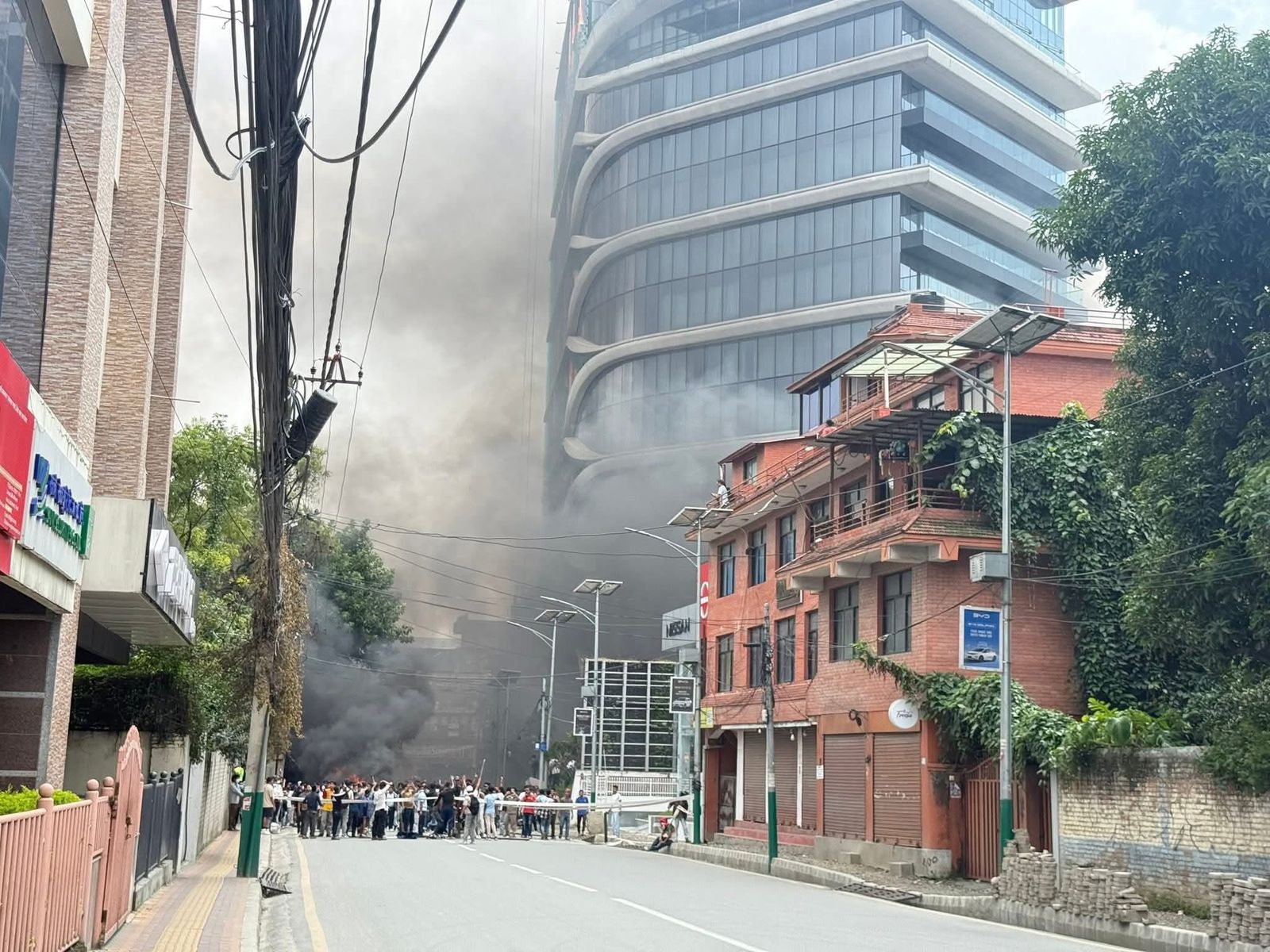
However, the Gen Z protests on Bhadra 23 and 24, triggered by restrictions on good governance and social media, caused significant damage to the tourism sector.
Unlike the Maoist conflict, the recent protests directly impacted hotels, with preliminary estimates indicating losses worth around Rs 2.5 billion.
The exact perpetrators behind the attacks on hotels and cable cars remain uncertain, but experts note the incident has had a substantial impact on Nepal’s tourism industry.
According to Vinayak Sah, Chair of the Nepal Hotel Association (NHA), approximately 24–25 hotels—including the Hilton—suffered damage estimated at Rs 2.5 billion. Sah stated that destruction to such high-investment properties sends a negative message internationally and disrupts the overall tourism sector.
He further noted that despite supporting some of the Gen Z protesters’ agendas, the chaos, arson, and vandalism were unacceptable.
Sah emphasized the need for action against those responsible for the destruction and highlighted the serious consequences of such incidents for Nepal’s reputation as a tourist destination.