Gen Z martyr Sajan’s dream of change ends in sacrifice
His two young sons have since been left orphaned—having already lost their mother two years ago.

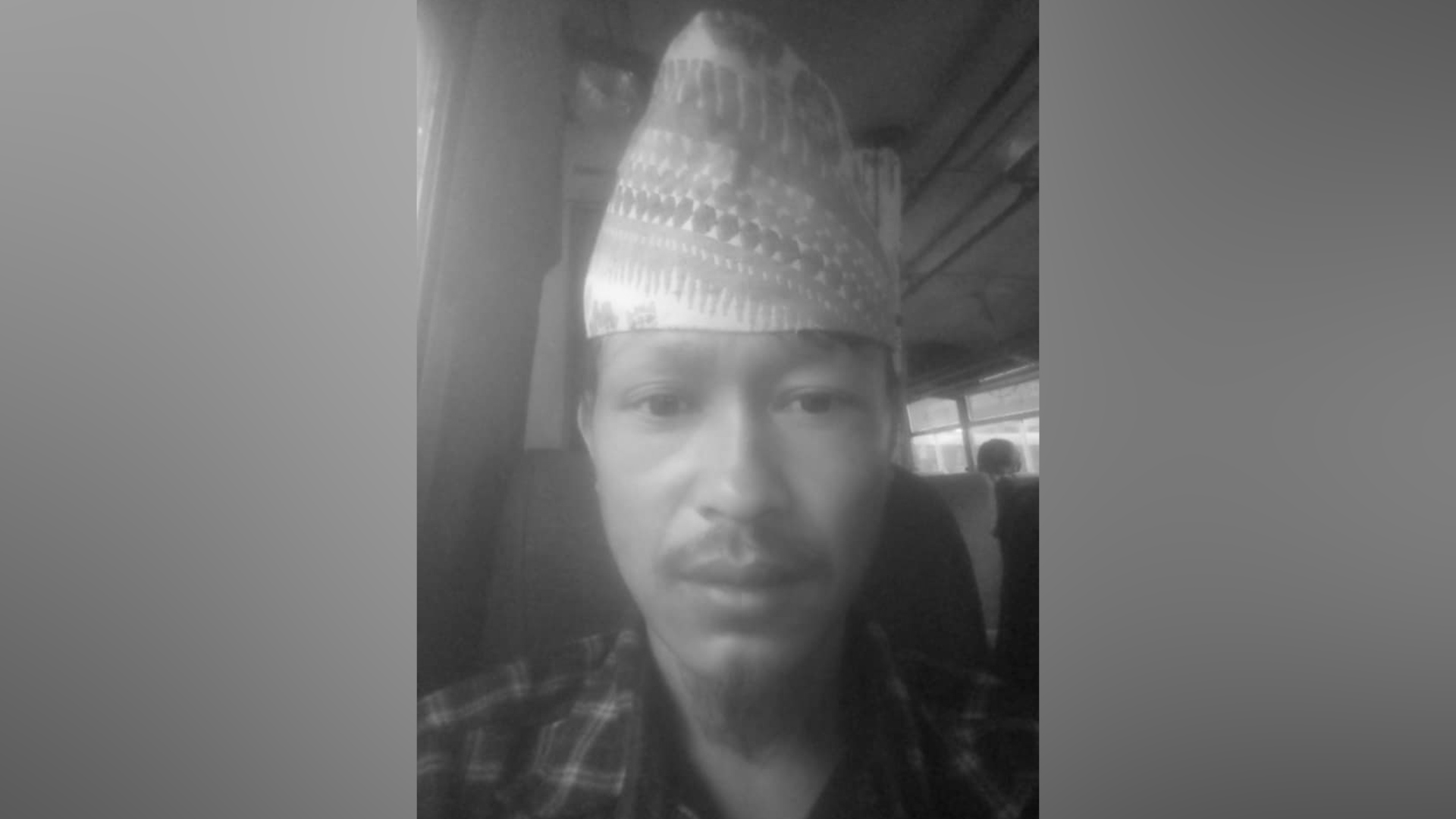
KATHMANDU: Born in 2041 BS in the hilly village of Sankhuwasabha, Sajan Mewahang Rai of Dharan Sub-metropolitan City–5 was one among thousands of ordinary Nepalis yearning for justice, transparency, and accountable leadership.
In August, during the second day of the Gen Z Movement, he was shot dead by police at a small ground in Thimi, Bhaktapur.
Sajan, who had joined the protest with the dream of seeing a fair and corruption-free Nepal, lost his life that day.
His two young sons have since been left orphaned—having already lost their mother two years ago.
A Life of Struggle and Integrity
Sajan had been living in Bhaktapur, working as a daily wage laborer to support his two sons after his wife’s death. “My uncle’s financial condition was very weak,” recalls his nephew, Bharat Rai. “But he was always furious about the corruption and injustice happening in the country. He used to say, ‘These corrupt people have destroyed Nepal. My life is already full of struggle, but what about my sons’ future?’”
That very anger drove Sajan to the Gen Z Movement. He hadn’t joined the protest on the first day, but after witnessing the police’s violent suppression, he was filled with rage. “He said, ‘How can they shoot at innocent youths?’ and decided to join the next day,” Bharat recounts. “He didn’t even know much about Gen Z but knew it was against corruption, and that was enough for him.”
The Fatal Day in Thimi
On Sept 9, Sajan and Bharat joined the peaceful rally that marched from Pepsicola to Baneshwor. “We were around 150 people—some known, some strangers—but all united against corruption,” Bharat says. “We kept shouting not to throw stones or vandalize anything, but some unruly groups turned the peaceful march violent. Police fired tear gas and then bullets.”
Around 5:30 p.m., police opened fire at the small ground in Thimi. One of the bullets hit Sajan directly in the chest. “By the time we found him, he had already fallen,” Bharat recounts, his voice breaking. “He was rushed to KMC Hospital, but doctors declared him dead upon arrival.”
Two Orphaned Sons and an Uncertain Future
Sajan’s death left behind two sons—12-year-old Exon and six-year-old Jimmy Rai. Having lost their mother two years earlier, the boys have now lost both parents. “Our biggest worry now is their future,” says Bharat.
Sajan had once worked as a driver but later turned to construction labor—mixing cement and laying bricks—to care for his children.
Despite hardships, he never lost faith in the nation’s future. “He used to say, ‘Our generation may have to struggle, but our children should not live under injustice,’” Bharat remembers. That same conviction led him to the streets—and ultimately to his death.
His death has shocked not only his family but also his entire community. Relatives in Dharan still struggle to accept the loss. “He was never aggressive, a simple and honest man,” Bharat says. “But he couldn’t tolerate injustice. That voice of truth was silenced forever.”
Final Journey Home
After the tragic shooting, Sajan’s body was brought back to Dharan with honor. His two sons now live in a small tin-roofed house in Aaptar Chaur with Sajan’s elder brother, Naindra Kumar Rai, and sister-in-law, Uttarkumari Rai. Both work as daily wage earners, and now they carry the additional responsibility of raising the two boys.
“Our financial situation is already difficult,” Naindra says. “We worry every day about how to raise them and give them education. We ourselves grew up without parents, struggling all our lives. It hurts to think these children might face the same fate.”
Exon is currently in Grade 7 and Jimmy in Grade 1. “He gave his life for the country, but his sons’ future remains uncertain,” Naindra says. “Some people have offered small help, but temporary aid won’t secure their long-term future.”
Sister-in-law Uttarkumari adds tearfully, “The government must take responsibility. We are poor people. The boys need education, healthcare, and basic support. It breaks my heart to look at them. Sajan went to work to earn a few rupees for his family, not to die. But fate was cruel.”
Honored with Respect, Remembered with Pain
A week after his death, Sajan’s body was flown from Kathmandu to Biratnagar by a Nepal Army helicopter, and from there, transported to Dharan.
A tribute ceremony was held at Bhanu Chowk, where Dharan Mayor Harka Raj Rai (Sampang) draped the national flag over his coffin as a mark of respect.
His funeral took place in Dharan Sub-Metropolitan City–5 at Nisan Devi Community Forest, where he was buried according to traditional Mundhum rituals. Nepal Army personnel from Itahari also participated in the final honors.
A Symbol of Sacrifice and Conscience
Sajan Mewahang Rai’s story reflects the painful truth that raising one’s voice for justice and reform in Nepal remains a perilous act for ordinary citizens. Though a simple laborer, he carried a deep sense of national awareness and social responsibility.
His life, full of hardship, and his death, born of conviction, have together become a symbol of the ongoing struggle for justice and good governance.
His sons now embody his unfinished dreams. Their future, however, hangs in uncertainty, dependent on the compassion of society and the commitment of the state.
Sajan’s sacrifice is not just a personal tragedy—it is a moral question for an entire nation. His life reminds us that while courage can challenge corruption, it must be met with collective responsibility to protect the families of those who fall for justice.
Ensuring a secure and dignified future for Exon and Jimmy Rai is now not only a family concern—it is the duty of the whole society and the state.