FM briefs parliament on India visit, border issues & key bilateral talks
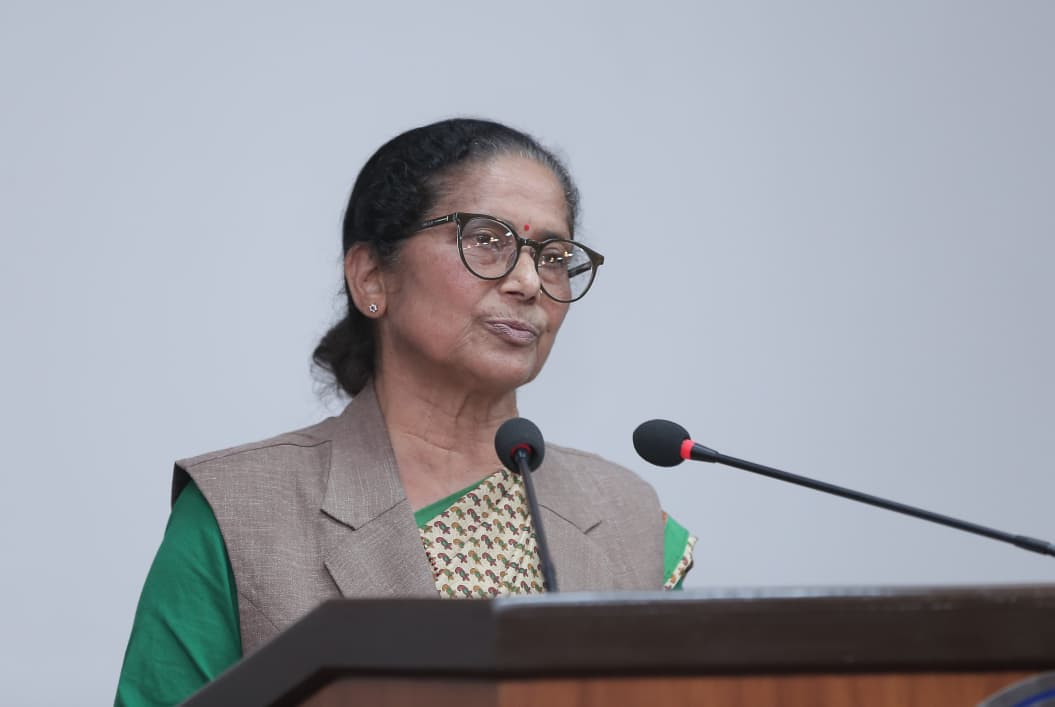
Speaking in Thursday’s session, Khanal said both sides held extensive talks on strengthening bilateral cooperation.

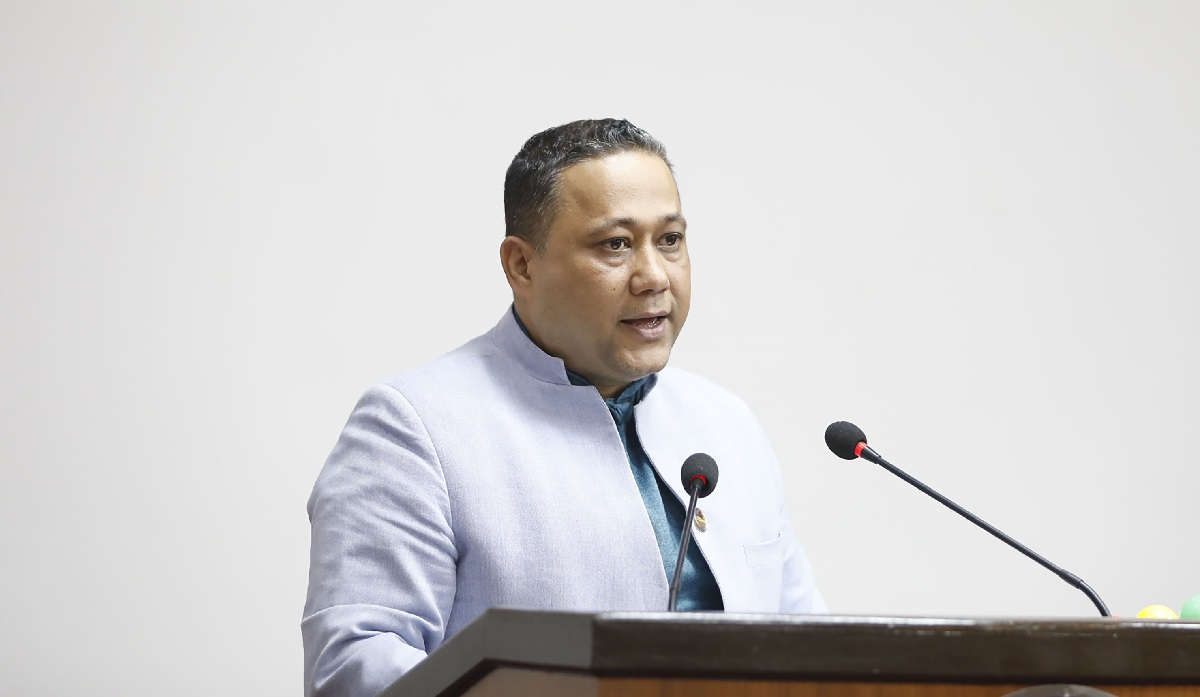
KATHMANDU: Foreign Minister Shishir Khanal has briefed the National Assembly about his recent two-day official visit to India, outlining key agreements and high-level discussions covering trade, energy, connectivity, water resources, border management, security cooperation, and people-to-people relations.
Speaking in Thursday’s session, Khanal said both sides held extensive talks on strengthening bilateral cooperation.
He noted that three joint announcements were made during the visit, including the launch of cross-border person-to-person digital payment services, the handover of India-assisted reconstructed health and cultural infrastructure, and collaboration on digital language translation systems.
During the visit, he also met India’s National Security Adviser Ajit Doval, where discussions focused on shared security concerns, border management, and strategic cooperation.
Reaffirming Nepal’s foreign policy stance, Khanal said the government remains committed to safeguarding national sovereignty, territorial integrity, independence, and citizens’ rights and security.
On border matters, the minister stated that mapping work remains pending in areas including Susta, Limpiyadhura, Lipulekh, and Kalapani along the Nepal–India boundary.
He said the international border is based on the 1816 Sugauli Treaty, while acknowledging issues such as encroachment in certain stretches and cross-border occupation concerns.
He also clarified that remarks raised in parliament by Prime Minister Balen Shah relate mainly to encroachment in the “no-man’s land” (dashgaja) and cross-border occupation issues.
Khanal further informed lawmakers that long-stalled technical committee work on boundary management has been reactivated, with joint Nepal–India technical teams currently deployed to collect field-level data and update records for improved border regulation and infrastructure maintenance.