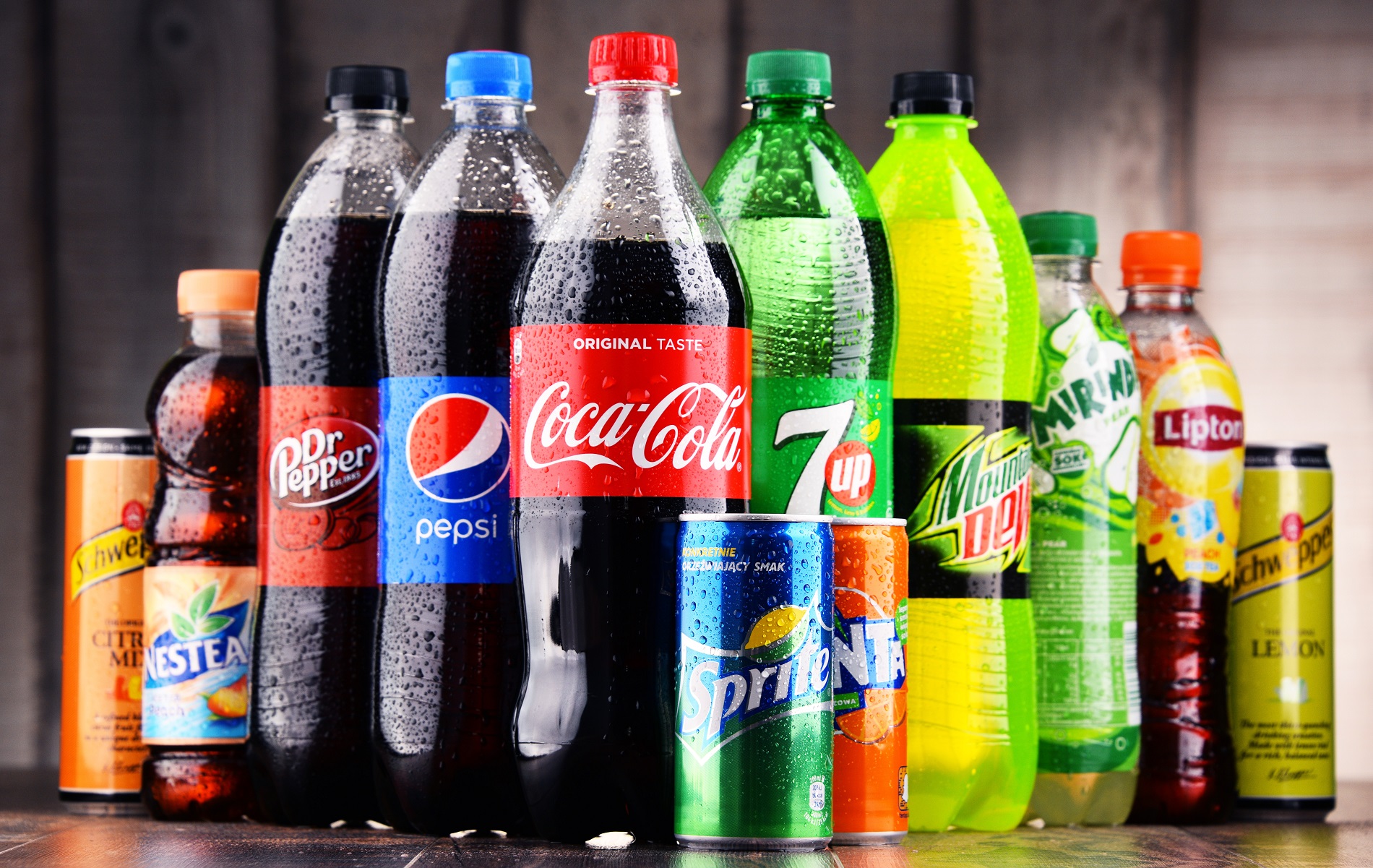
Cold drinks, while offering instant relief from heat and thirst, are often packed with high levels of sugar, caffeine, and artificial chemicals.
Consumed in moderation, they may pose little harm, but health experts say habitual or excessive intake is a growing concern, especially among youth and urban populations.
Digestive and Metabolic Disruptions
One of the immediate impacts of drinking extremely cold beverages is on the digestive system. According to Dr. Ramesh Thapa, a gastroenterologist at Kathmandu Medical College, “When you consume cold drinks that are extremely chilled, the sudden temperature change can shock the digestive tract. This may lead to indigestion, bloating, acid reflux, and even constipation over time.”
Cold temperatures can reduce the efficiency of digestive enzymes, slowing down the body’s natural process of breaking down food. Combined with the high acidity and carbonation present in most soft drinks, this can disrupt the stomach lining and lead to long-term gastrointestinal discomfort.
Sugar Overload and Weight Gain
Nutritionists emphasize that a single bottle of cold soda can contain up to 12 teaspoons of sugar—far exceeding daily recommended limits. This sugar overload not only contributes to sudden spikes in blood glucose levels but also fuels weight gain and increases the risk of insulin resistance.
“Excess sugar intake from cold drinks is a major factor in the rising cases of obesity and diabetes, especially among teenagers,” says Dietitian Manisha Gurung. “Even diet sodas, though sugar-free, contain artificial sweeteners and chemicals that may negatively impact metabolism.”
Dehydration and Kidney Stress
Despite being liquid, cold drinks do not hydrate the body effectively. In fact, the caffeine content in many soft drinks can act as a diuretic, causing frequent urination and leading to dehydration. Over time, this can place stress on the kidneys, potentially affecting their ability to filter waste from the blood efficiently.
Additionally, the high phosphate content in many cold drinks can weaken bones and interfere with calcium absorption, increasing the risk of osteoporosis, especially in women and older adults.
Throat and Respiratory Irritation
Drinking chilled beverages too often may also irritate the throat and respiratory tract. Doctors report an increase in cases of sore throat, dry cough, and pharyngitis during the summer season, which they link to frequent cold drink consumption.
“People often confuse these symptoms with seasonal flu,” says Dr. Thapa, “but in many cases, they’re triggered by overexposure to cold drinks that cause inflammation in the throat.”
Mental and Neurological Effects
There is also a neurological component. Sudden brain freeze, or “ice-cream headache,” can occur when cold beverages touch the roof of the mouth and cause a rapid change in temperature. This may result in sharp headaches and discomfort, especially among sensitive individuals.
Moreover, the caffeine and sugar in these drinks can affect sleep patterns, cause jitteriness, and even trigger anxiety in some people.
Experts Call for Moderation
While doctors are not calling for a complete ban on cold drinks, they are urging the public to be more mindful. The key, they say, is moderation and awareness. Drinking an occasional cold beverage is not inherently harmful—but relying on it daily as a primary source of refreshment can have serious health consequences.
Healthy Alternatives
Experts recommend drinking room-temperature or mildly cool water, natural fruit juices without added sugar, coconut water, lemon water, or homemade herbal drinks. These not only hydrate the body more effectively but also provide essential nutrients and antioxidants.
“Nothing beats plain water,” says dietitian Gurung. “If you want flavor, add a slice of lemon, mint leaves, or cucumber. It’s refreshing, safe, and supports your body’s natural cooling process.”