Energy sector still in crisis, says IPPAN Chief
He said the lack of timely forest clearance has forced several projects to halt construction, while some investors are even facing legal complications.

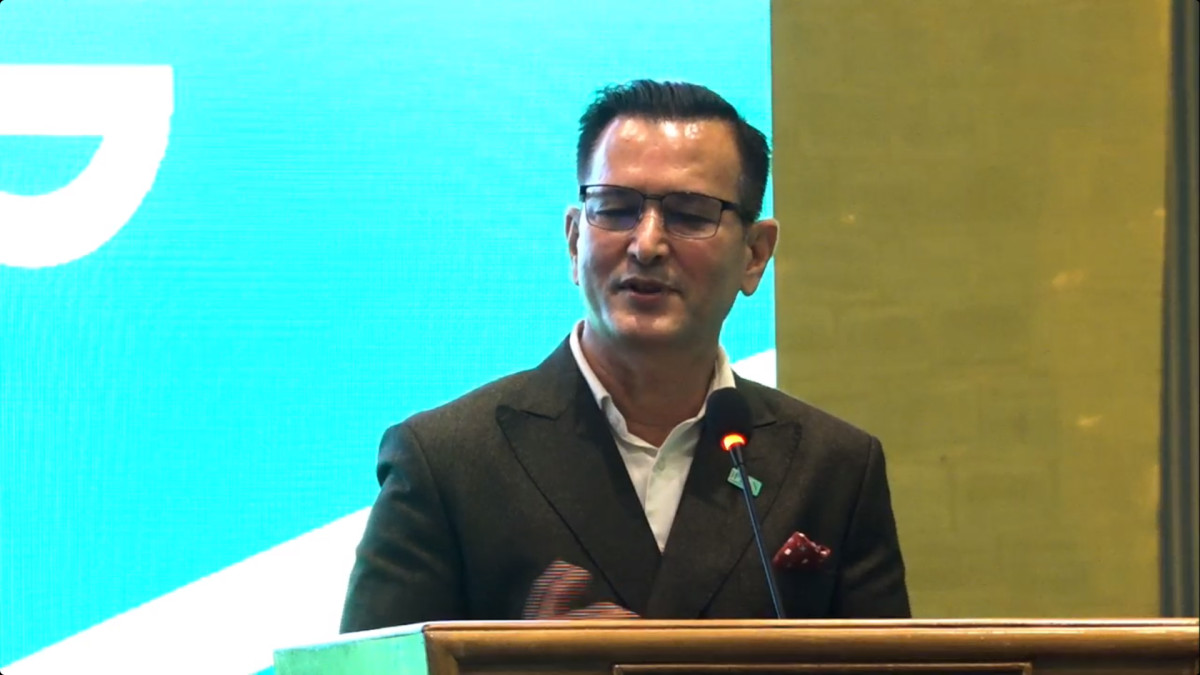
KATHMANDU: The President of the Independent Power Producers’ Association, Nepal (IPPAN), Ganesh Karki, has said that Nepal’s energy sector continues to face serious challenges, with dozens of hydropower projects stalled due to delays in forest-related approvals.
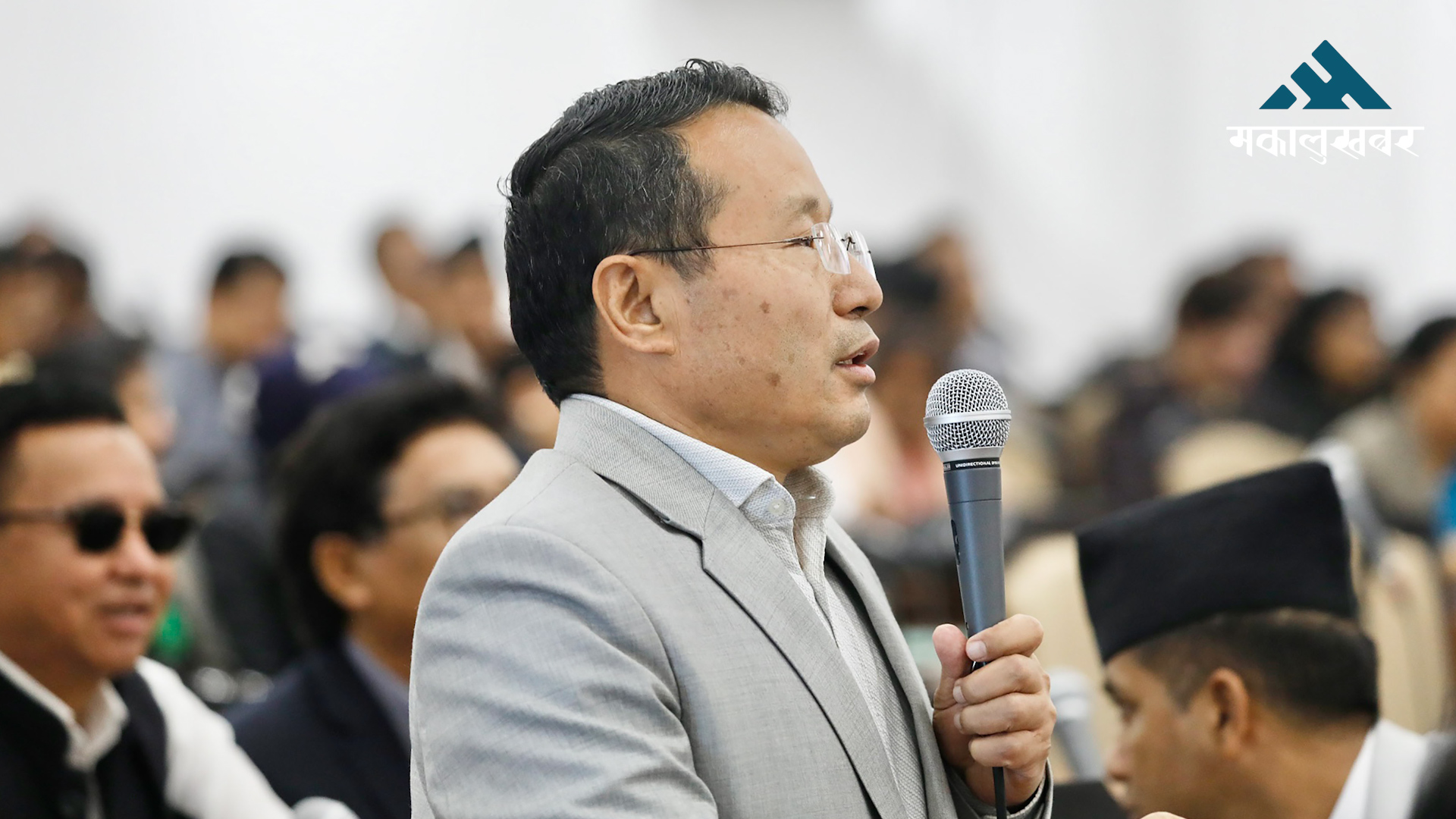
Speaking at the 26th Annual General Meeting and 8th Convention of IPPAN, Karki stated that more than 38 project files are currently stuck at the Ministry of Forests, delaying development for two to four years.
He said the lack of timely forest clearance has forced several projects to halt construction, while some investors are even facing legal complications.
Karki urged the government to implement the proposed “sunset law” immediately through an ordinance rather than prolonged parliamentary procedures, arguing that delays in lawmaking are slowing down the energy sector’s momentum.
He also criticized weak implementation of government policies despite ambitious energy production targets, calling for stronger legal and policy facilitation to ensure budget announcements are effectively executed.
Highlighting operational challenges, Karki called for opening up Power Purchase Agreements (PPA), timely completion of transmission lines, and prioritization of projects stuck in the queue. He said delays in transmission infrastructure have left many investors struggling to repay loans and interest.
He further demanded reforms in regulatory frameworks, including extension of the Required Commercial Operation Date (RCOD), revision of hydrology penalties, and changes in electricity purchase conditions.
He also stressed the need to eliminate procedural duplication among the Securities Board, Electricity Regulatory Commission, and Nepal Electricity Authority.
Reiterating the government’s goal of generating 30,000 MW of electricity within 10 years, Karki said the target can only be achieved through coordinated monetary policy, foreign investment, and institutional reforms.
“More than 38 project files are stuck in the Ministry of Forests for two to four years. We cannot build projects on time because approvals are delayed. Some projects have even received notices to stop work, and some investors are facing legal action,” Karki said, urging immediate government intervention.
He added that IPPAN remains committed to cooperation with the government, emphasizing that strong public-private collaboration is essential to achieve Nepal’s energy ambitions.