Economists call for tax reform, stronger VAT & fiscal overhaul


KATHMANDU: Economists have urged comprehensive reforms in tax administration, public financial management, and the value-added tax (VAT) system to strengthen Nepal’s fiscal framework.
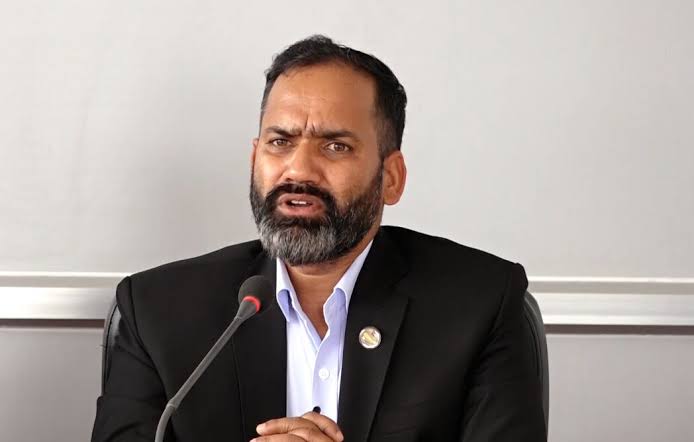
Speaking at a meeting of the House of Representatives’ Finance Committee, economist Dr Dilliraj Khanal emphasized the need to align economic policy with the national budget.
He stressed that long-discussed reform agendas should be integrated into budget principles and priorities, calling for structural economic reforms alongside improved governance. Khanal also highlighted the importance of identifying priority sectors and formulating a long-term restructuring strategy for the economy.
Economist Dirgharaj Mainali called for a major overhaul of the existing tax administration system, noting persistent structural weaknesses.
He suggested that the system should be reorganized to make it more professional and efficient, adding that incremental reforms alone would not deliver timely results.
Similarly, Rupak Khadka underscored that the effectiveness of the VAT system depends on its design and implementation. He advocated for a broad-based, simplified VAT structure with a single rate, arguing it would be more efficient and transparent.
Citing New Zealand’s GST model as an example, Khadka said that a system with a wide tax base and minimal exemptions tends to perform better.
He also noted that VAT framework has gradually expanded exemptions over time, reducing its effectiveness. According to him, a single-rate system would be easier to administer and more beneficial for the economy than a multi-rate structure.
The experts collectively recommended long-term reforms in fiscal policy, tax administration, and revenue systems to strengthen overall economic management and improve efficiency.