Dengue & Scrub Typhus cases rise in Chitwan
The infections were identified among 798 people tested over the past 15 days of the current fiscal year.

KATHMANDU: A total of 20 cases of dengue infection have been confirmed in Chitwan since mid-July, according to the Public Health Office.
The infections were identified among 798 people tested over the past 15 days of the current fiscal year.
Out of the 20 cases, 14 patients are from Chitwan while 6 are from other districts. Within Chitwan, cases were reported from:
-
Bharatpur Metropolitan – 7 cases
-
Khairahani Municipality – 3 cases
-
Ratnanagar and Kalika Municipalities – 2 cases each
According to Anshu Pokhrel, Public Health Officer, the infected include 5 males and 9 females.
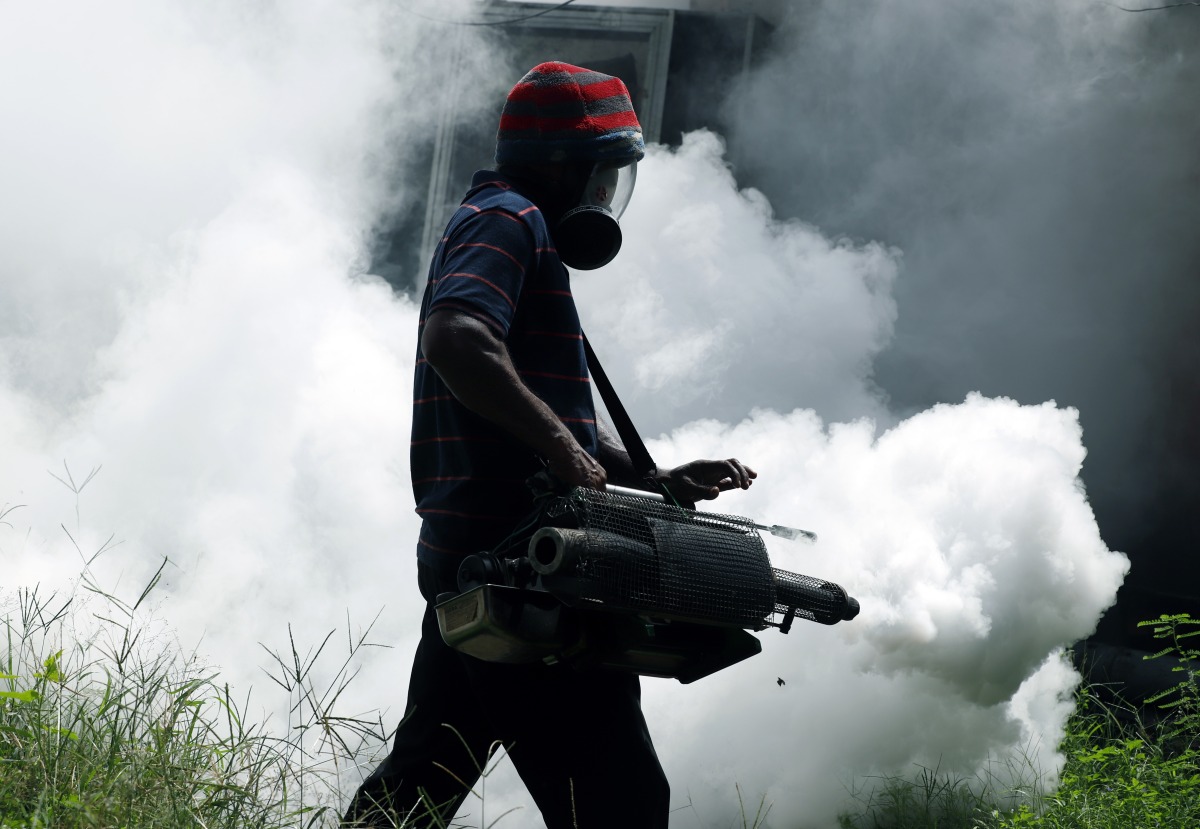
Dengue spreads through the bite of the female Aedes mosquito, which is most active during early morning and late evening hours, said Dinesh Rupakheti, Chief of the Public Health Office.
These mosquitoes breed in clean stagnant water found in containers like plastic tubs, drums, open tanks, used tires, and flower pots.
Symptoms of dengue include:
-
Severe headache and eye pain
-
Joint and muscle pain
-
Skin rashes and internal bleeding
-
High fever
Preventive measures include avoiding mosquito bites and eliminating sources of standing water around homes and neighborhoods.
32 Cases of Scrub Typhus Also Detected
In the same period, 32 cases of scrub typhus were also recorded in district hospitals. Among them, 23 are from Chitwan, while 9 are from outside the district.
Scrub typhus is a bacterial infection caused by Orientia tsutsugamushi, transmitted through the bite of infected mites, commonly found in bushy areas, farmlands, forests, and unclean surroundings. The disease does not spread from person to person.
Health officials advise wearing full-body covering clothes, using footwear, and avoiding direct contact with the ground while sitting or sleeping outdoors.
Symptoms of scrub typhus include:
-
High fever (above 104°F)
-
Excessive sweating
-
Red eyes
-
Diarrhea
-
Organ complications
-
Red and later black scab at the bite site
Authorities urge the public to remain cautious during the monsoon, as both diseases spike in humid and rainy conditions.