Chitwan-3: Can Sobita halt Renu’s run?
Yet, despite the presence of these traditional heavyweights, the real electoral heat in Chitwan-3 is being driven by a high-profile face-off.

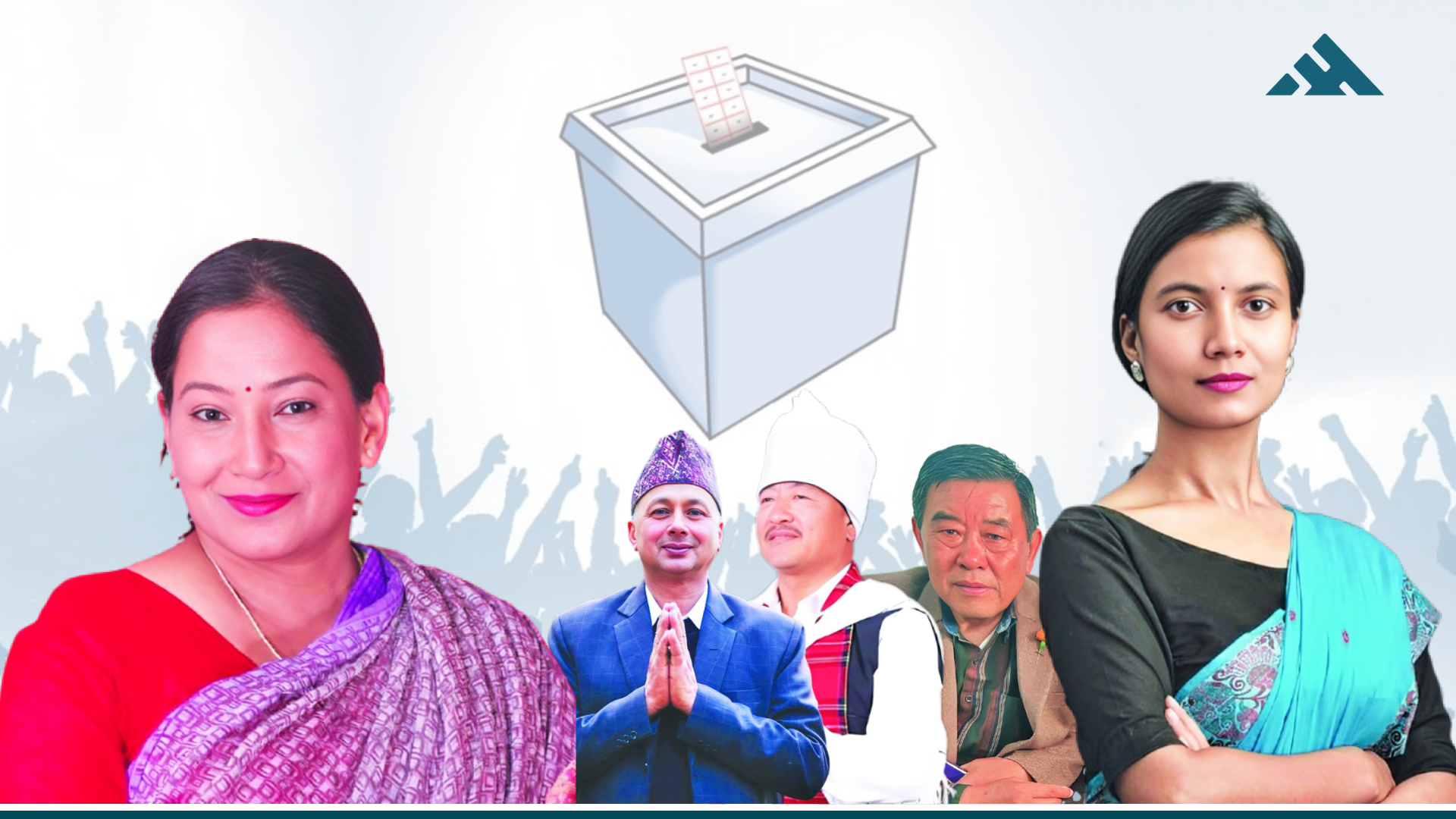
KATHMANDU: For the first time since the promulgation of Nepal’s Constitution, major political parties Nepali Congress (NC) and CPN-UML are contesting the Chitwan-3 constituency with their own election symbols and candidates.
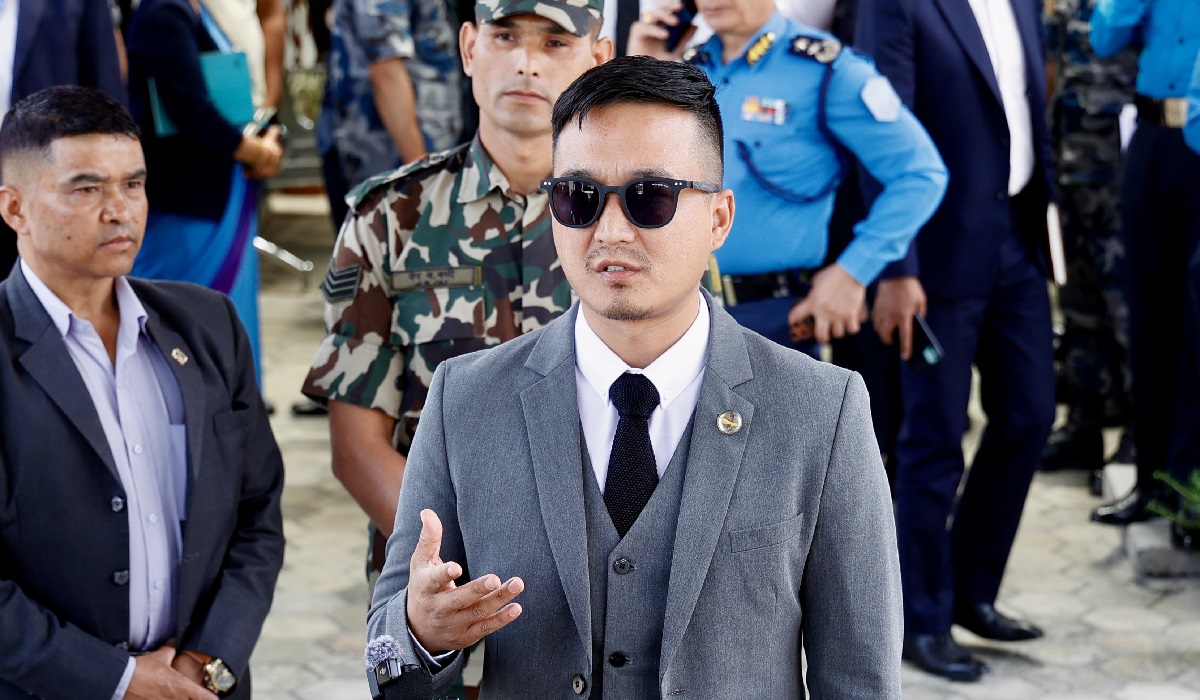
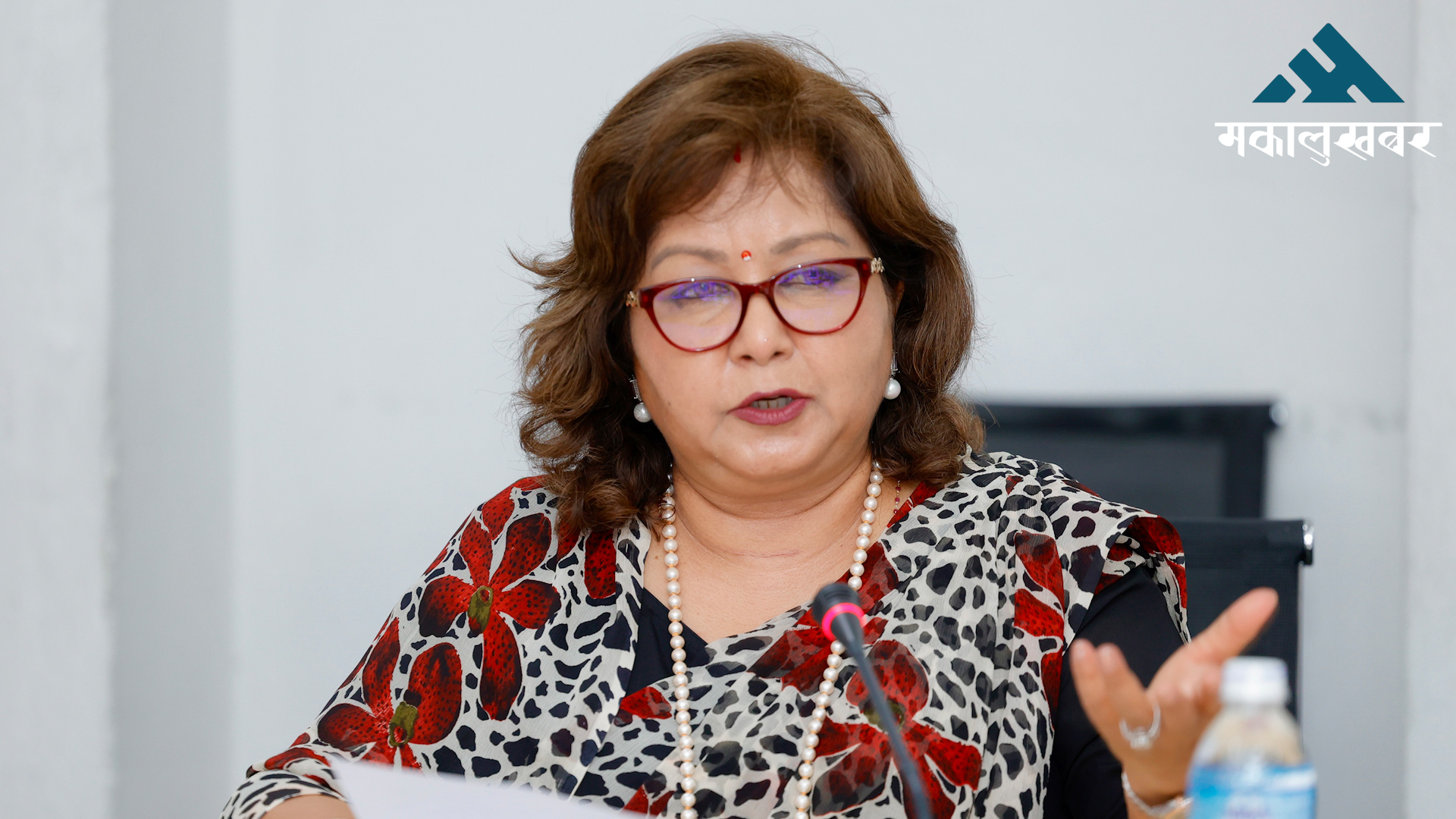
Yet, despite the presence of these traditional heavyweights, the real electoral heat in Chitwan-3 is being driven by a high-profile face-off between CPN (Maoist Centre) candidate Renu Dahal and Rastriya Swatantra Party (RSP) lawmaker Sobita Gautam.
Once represented by Maoist Centre chair Pushpa Kamal Dahal ‘Prachanda’, this constituency has again drawn nationwide attention—this time due to a rare contest between two women leaders from different generations and political backgrounds.
Renu Dahal: Testing the ‘Development Model’
Former Bharatpur Metropolitan City Mayor Renu Dahal, who resigned from her post to enter parliamentary politics, is facing what many describe as a decisive test of her development credentials.
Dahal served as mayor for eight years, winning the 2074 and 2079 local elections—the latter by a comfortable margin. Her supporters argue that Bharatpur witnessed a transformation during her tenure, particularly in road expansion, urban infrastructure and construction works.
“Bharatpur has changed dramatically in the last five to seven years. That contribution should be repaid through votes,” said Sita Bohara, a voter from Bharatpur-9, reflecting the sentiment among Dahal’s backers who see development as her strongest campaign card.
However, Dahal faces notable challenges. Unlike previous elections, she is contesting without an electoral alliance with the Nepali Congress, which has fielded its own candidate, Tek Prasad Gurung—raising concerns of vote splitting.
Critics also accuse Dahal of prioritising Bharatpur while neglecting the rural Madi area, and claim that major budget allocations flowed only when her father was prime minister.
Sobita Gautam: Youth Energy and the Call for Change
On the other side is Sobita Gautam, a rising RSP leader who made headlines in the 2079 election by defeating heavyweight politicians from Kathmandu-2. This time, the 30-year-old lawmaker has chosen Chitwan-3, taking a significant political risk.
With a master’s degree in law, Gautam has built a strong profile in Parliament through articulate debates and legislative engagement, earning considerable popularity among young voters.
In Madi, many voters—especially the youth—argue that development should go beyond roads and bridges. “Local governments can build roads. What we need is a lawmaker who can draft meaningful laws and give direction to the country,” said Prabin Adhikari, 28, from Madi, echoing Gautam’s core campaign narrative.
Although RSP finished third in direct votes in Chitwan-3 in 2079, it secured the highest number of proportional votes—28,401—indicating a strong base. Combined with the so-called ‘Rabi Lamichhane factor’, Gautam has emerged as a formidable challenger to Dahal.
Congress, UML Return—and RPP’s Calculated Gamble
After a long period of contesting elections under alliances, both the Nepali Congress and CPN-UML are fielding their own candidates, energising party cadres but facing an uphill battle in a crowded race.
Nepali Congress has nominated 77-year-old veteran leader Tek Prasad Gurung, while UML has fielded 56-year-old Shankar Raj Thapaliya, both striving to retain their organisational vote banks amid fierce competition.
Meanwhile, the Rastriya Prajatantra Party (RPP)—which won this constituency in 2079 through Bikram Pandey—has nominated 47-year-old Deepak Thapa Magar, aiming to appeal to Gen Z voters.
Given Pandey’s traditional influence in the area, RPP could potentially turn the contest from a triangular into a four-cornered fight.
Madi’s Unhealed Wounds and Voter Anxiety
Madi Municipality, which falls under Chitwan-3, carries a distinct and painful political memory. The scars of the Bandarmude bomb blast during the conflict era have yet to heal.
Victims like Krishna Prasad Adhikari express deep frustration over what they see as continued neglect and denial of justice by mainstream parties.
Beyond conflict-era grievances, residents are also struggling with persistent issues such as wildlife attacks and disputes linked to the national park—problems voters say have been ignored for decades.
A Contest of Old Versus New
With 155,309 registered voters, Chitwan-3 has become a symbolic battlefield—pitting traditional political forces against emerging alternatives.
More than a routine parliamentary race, the contest represents a broader struggle between continuity and change, experience and reform, legacy politics and new expectations.