Bringing world class skills home: How Nepali graduates can transform Nepal’s tourism
Nepal's tourism sector is recovering strongly. In 2024, tourist arrivals crossed 1.1 million, bringing hope to hotels and travel businesses. But challenges remain.

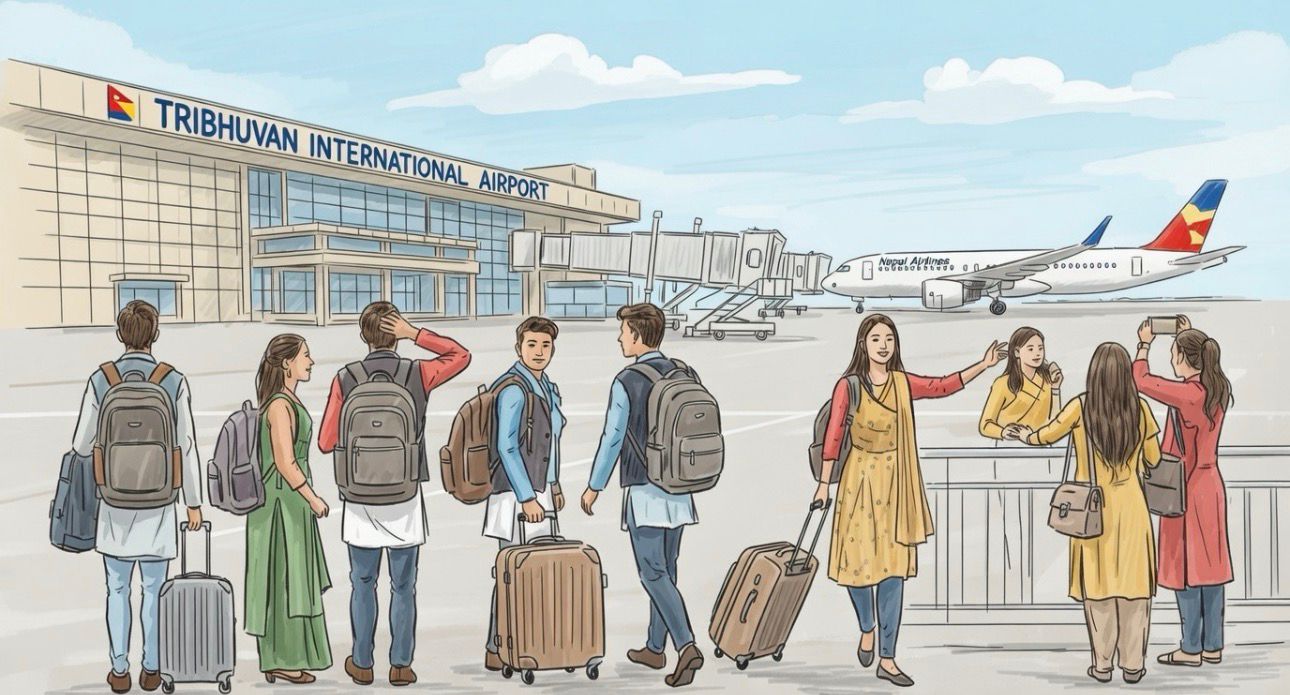
SYDNEY: As Nepal aims to welcome 3.5 million tourists by 2032, a new wave of young Nepalis with international education is returning home.
Among them are hospitality graduates from countries like Australia, bringing fresh ideas and global standards to an industry hungry for change.
Nepal’s tourism sector is recovering strongly. In 2024, tourist arrivals crossed 1.1 million, bringing hope to hotels and travel businesses. But challenges remain.
According to recent reports, hotels outside Kathmandu struggle with just 26 percent occupancy.
Many tourists spend only $48 per day, and nearly half of tourism earnings leave Nepal to pay for imported goods. There is also a serious shortage of trained staff in hotels and restaurants across the country.
“These problems need smart solutions,” says tourism expert Rajan K.C. “We cannot rely only on our natural beauty anymore. Tourists today expect excellent service, clean rooms, and authentic experiences. This is where our young graduates with foreign education can make a real difference.”
Experts suggest returning graduates can help transform Nepal’s tourism industry in several interconnected ways.
They can train local hotel staff who often lack proper education in service standards, running short courses on housekeeping, front desk operations, and food safety to raise the quality of guest experiences.
At the same time, they can create new tourism products beyond traditional trekking, such as wellness retreats, eco friendly lodges, and small luxury hotels that attract visitors willing to spend more.
These graduates can also help keep tourism money inside Nepal by connecting hotels with local farmers and manufacturers, reducing dependence on imported food, furniture, and supplies from India and China.
With their knowledge of digital marketing, smart pricing, and staff management, they can improve how hotels operate, helping businesses survive slow seasons and fill empty rooms.
Most importantly, they understand both international tourist expectations and Nepali culture, allowing them to design authentic experiences that showcase Nepal’s traditions while meeting global comfort standards.
Together, these efforts can build a stronger, more sustainable tourism sector that benefits both visitors and local communities.
The government has set an ambitious target of 3.5 million tourists by 2032. Reaching this goal requires more than marketing campaigns. It needs skilled people who can build a tourism industry that benefits all Nepalis.
When young Nepalese bring their foreign education home, they do not just get a job. They bring hope, skills, and a vision for a stronger Nepal.
Their classrooms were in Australia, but their hearts remain in the Himalayas. And that combination might be exactly what Nepal’s tourism needs today.