Betana Wetland emerges as eco-tourism & research hotspot
Once primarily known for day picnics and casual outings, the wetland is now seeing a steady increase in academic field visits focused on biodiversity, water systems, and wildlife studies.

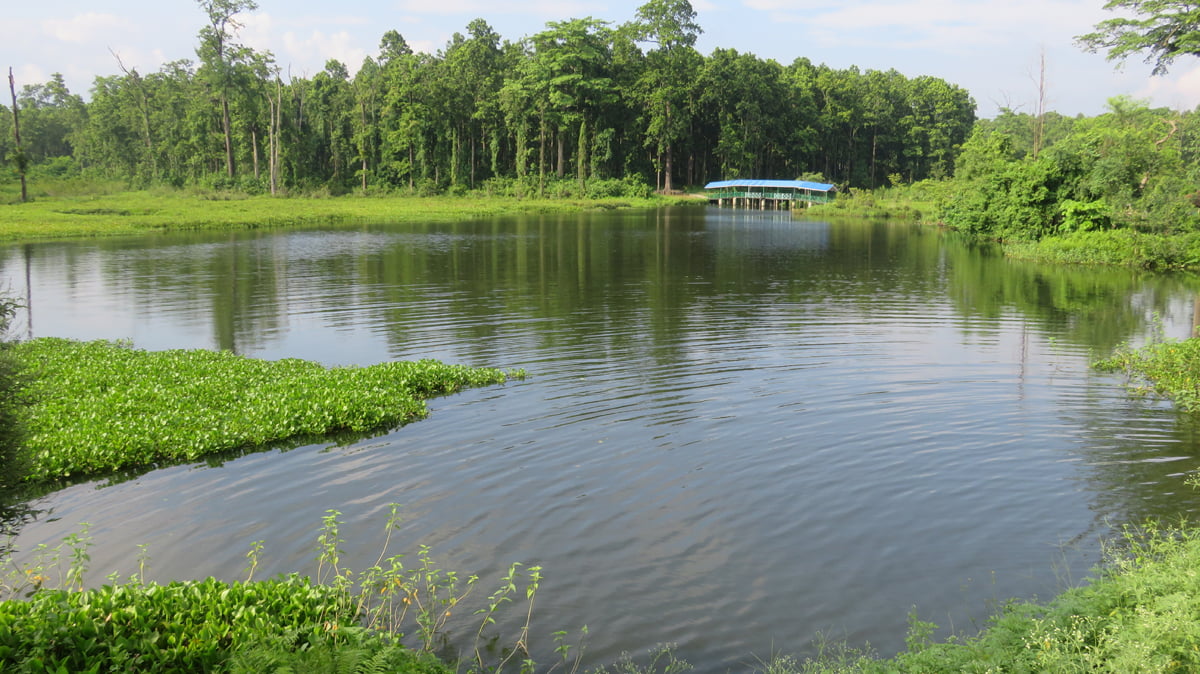
KATHMANDU: The ecologically rich Betana Wetland in eastern Nepal is rapidly transforming from a local picnic spot into a rising destination for eco-tourism and scientific research, attracting both domestic and international visitors, including university students and wildlife researchers.
Once primarily known for day picnics and casual outings, the wetland is now seeing a steady increase in academic field visits focused on biodiversity, water systems, and wildlife studies.
According to the chairperson of the Betana Wetland Community Forest Users’ Committee, Shambhu Bhattarai, student groups from universities in Nepal and abroad have begun arriving regularly for research purposes.
Just last week, a college group from Kathmandu visited the site to conduct water quality research, marking a growing trend of educational fieldwork in the area.
Located about 16 kilometers east of Itahari along the East–West Highway in Belbari, the wetland is easily accessible, which has contributed to a daily flow of around 200 domestic tourists.
Visitors are drawn by its serene environment, cool water bodies, clean air, and rich biodiversity.
Covering approximately 65 bighas of land, Betana Wetland is home to around 25 species of rare and migratory birds, including seasonal visitors from Siberia.
Wildlife sightings also include turtles, fish, deer, snakes such as pythons, and other native species, making it one of the region’s most biodiverse ecological pockets.
Officials say the wetland has become particularly attractive for birdwatching and nature observation. “The presence of Siberian migratory birds and diverse aquatic life makes this area unique,” Bhattarai said.
A major scientific highlight came three years ago when a team of Austrian researchers discovered more than two dozen critically endangered black softshell turtles in the wetland, underscoring its global ecological significance.
To improve visitor experience, the management committee has introduced pedal boat services, allowing tourists to explore the wetland more closely.
Infrastructure development is also underway, including a Rs 2 million project supported by the Ministry of Tourism, Forest and Environment, Koshi Province to construct a water fountain within the site.
Local authorities say conservation efforts remain central to development plans. The wetland management committee continues to focus on protecting flora and fauna while balancing increasing tourism pressure.
Belbari Municipality Mayor Dil Prasad Rai emphasized that Betana Wetland will be developed as a key tourism destination in eastern Nepal, calling for coordinated efforts among federal, provincial, and local governments to ensure sustainable development.