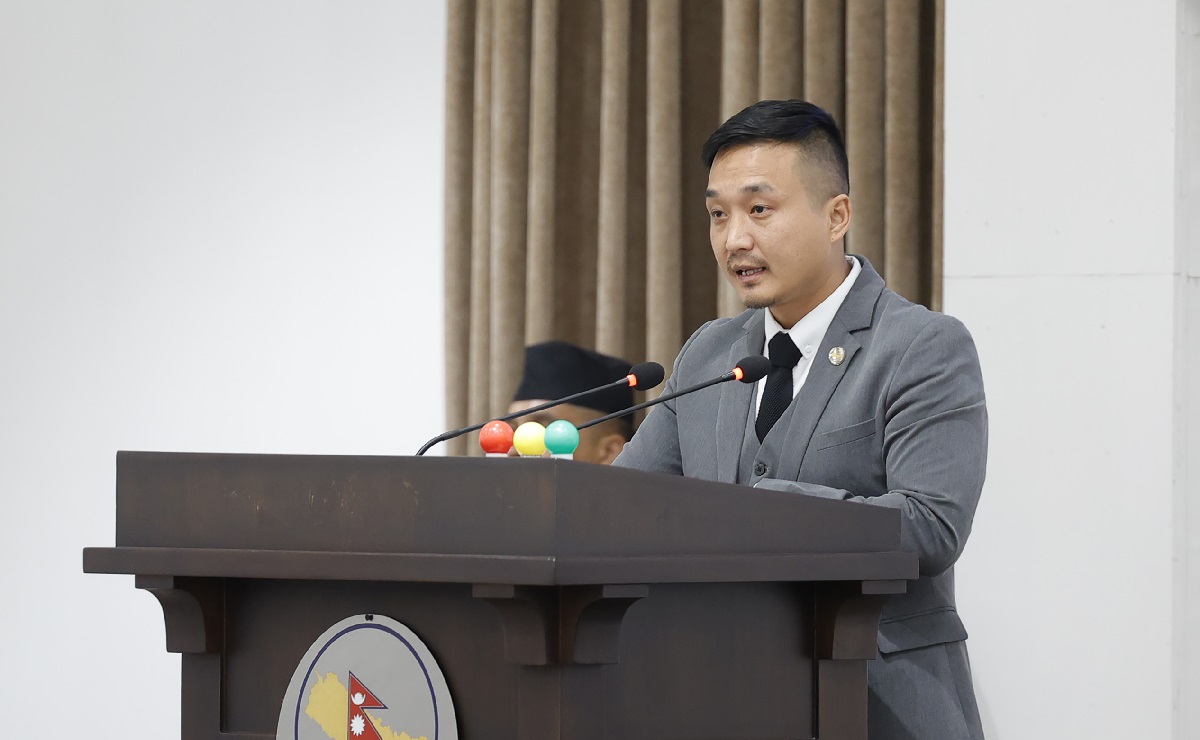
Army deployed nationwide for March 5 polls
The deployment follows approval granted by President Ramchandra Paudel on Nov 27, based on a recommendation from the Council of Ministers.

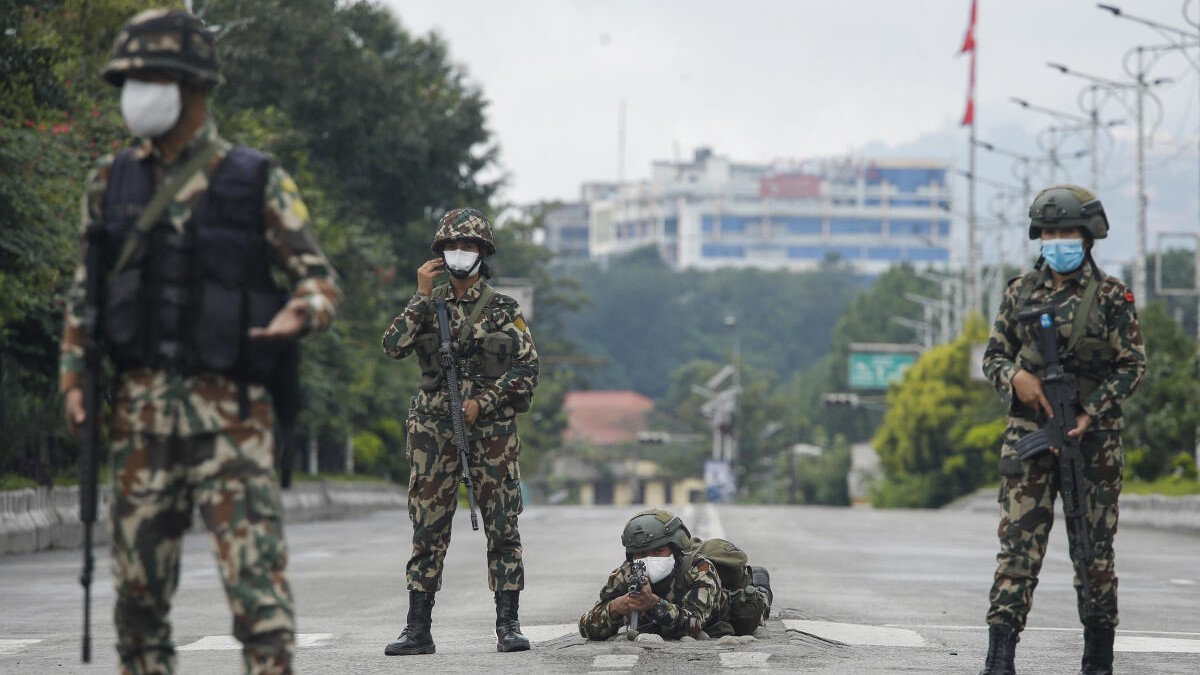
KATHMANDU: The Nepali Army has formally assumed its security role from today to ensure that the House of Representatives election scheduled for March 5 is conducted in a free, fair, and fear-free environment.
With responsibility for the election’s third and final security ring, regarded as the most decisive layer of protection, the Army has been deployed from its barracks to the field across the country.
The deployment follows approval granted by President Ramchandra Paudel on Nov 27, based on a recommendation from the Council of Ministers.
Acting under the Integrated Election Security Plan–2082, Army Headquarters has been implementing phased security measures, culminating in nationwide field deployment starting today.
According to Nepali Army Spokesperson and Assistant Rathi Rajaram Basnet, a total of 79,727 Army personnel have been mobilised for election security.
The Army has classified polling areas as highly sensitive and sensitive, and has begun patrols and deployments accordingly.
“The Army will maintain its presence based on the level of sensitivity,” Assistant Rathi Basnet said. “In coordination with election officials, Nepal Police, and the Armed Police Force, the Army will provide security from the outer perimeter.”
Taking into account geographical challenges and potential security risks, the Army has also prioritised aerial surveillance and mobility.
Helicopters have been kept on standby at five strategic locations to enable rapid response in emergencies and to transport ballot papers and ballot boxes in remote areas.
According to the Army, helicopters have been stationed in Kathmandu, Pokhara, Surkhet, Biratnagar, and Itahari. “Air assets will be used to deliver ballot boxes to areas without road access and to transport them to counting centres after polling,” Basnet said, adding that aerial patrols will also be conducted to prevent untoward incidents.
As Nepal Police and the Armed Police Force are required to concentrate their manpower at polling stations, the responsibility for guarding key national installations has been handed over to the Nepali Army.
From today, the Army has taken charge of security at Tribhuvan International Airport, other airports nationwide, prisons, Singha Durbar, and other highly sensitive administrative centres.
The Army has carried out similar duties in previous elections as well.
To counter possible threats from groups attempting to disrupt the election, including the use of explosive devices, the Army has made special preparations.
Bomb disposal teams have been kept on high alert in and around highly sensitive polling centres to mitigate any explosive or security risks.