Antu Pokhari: From buffalo pastures to global tourism hub
Until 1983 (2040 BS), this area served as a communal grazing ground where locals from four surrounding villages brought their buffaloes to wallow in the marshy waters.

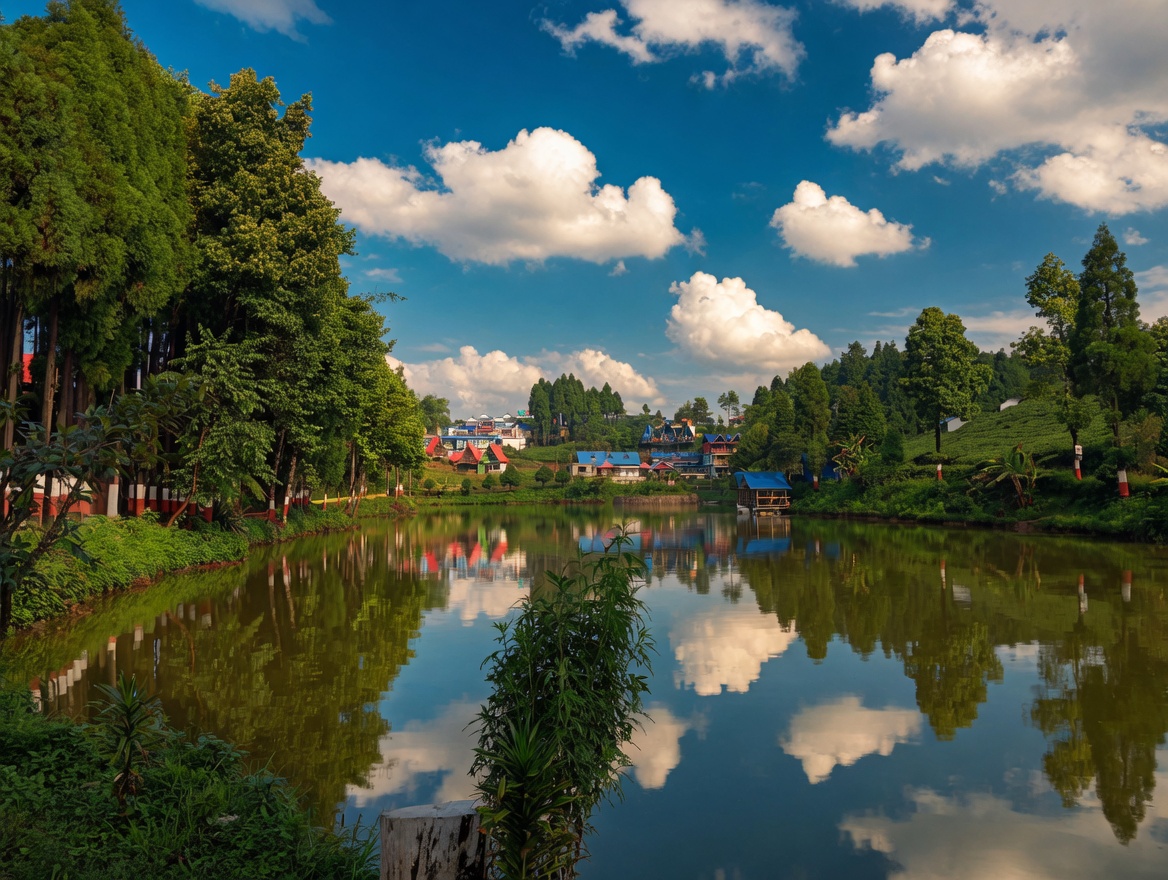
KATHMANDU: Four decades ago, the serene landscape of Antu Pokhari in eastern Nepal was far from the bustling tourist “hub” it is today.
Until 1983 (2040 BS), this area served as a communal grazing ground where locals from four surrounding villages brought their buffaloes to wallow in the marshy waters.
Today, that silence has been replaced by the hum of motorboats, the rhythm of music, and the footsteps of thousands of visitors.
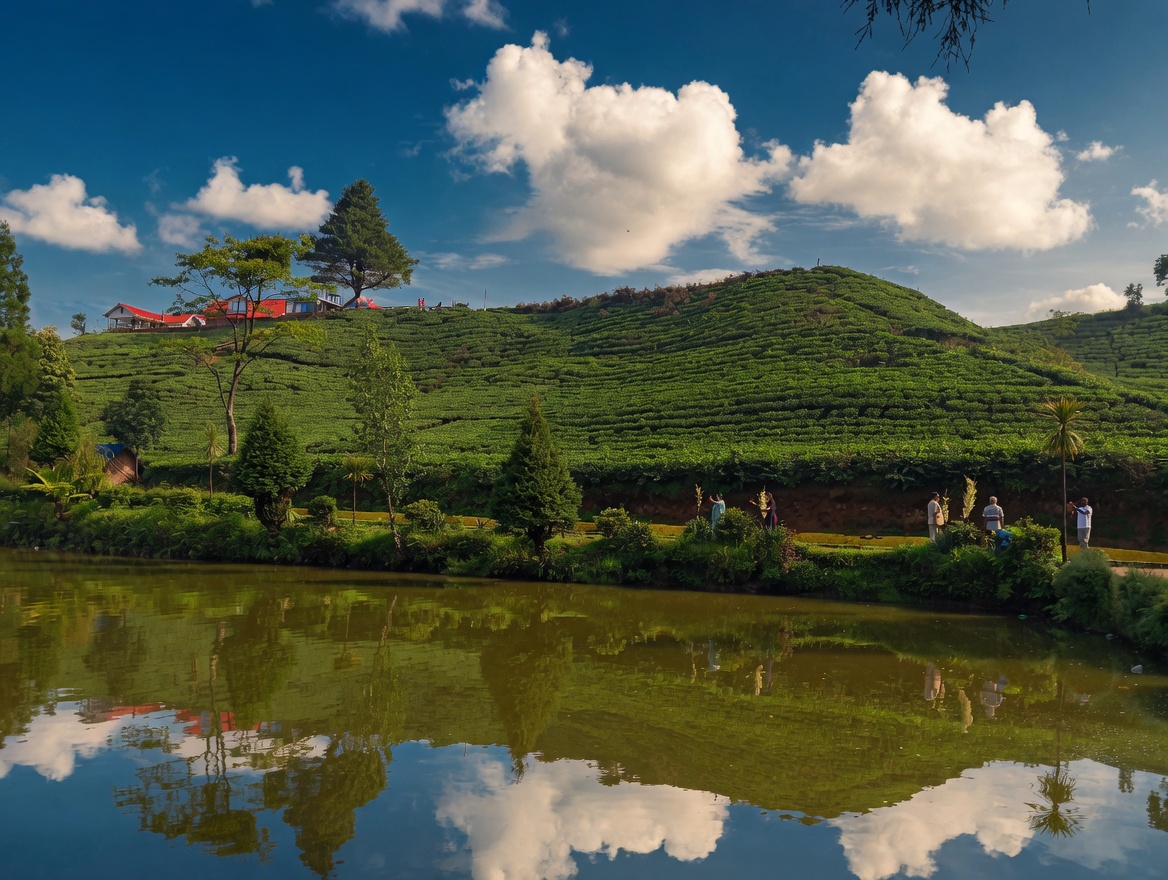
Antu Pokhari has completed a stunning metamorphosis from a remote cattle pasture into a world-renowned destination for sunrise views and rural tourism.
A History of Transformation
Local resident Khagendra Ghimire recalls a time when the area, then known as Dhap Pokhari, was so dense and desolate that it felt like night during the middle of the day.
“We used to bring 20 to 22 buffaloes here for water,” Ghimire shared. “After 2:00 PM, it would get so dark and eerie that people were afraid to walk alone. There were no roads, only narrow trails, and just a handful of houses scattered far apart.”
The shift began in 1983 when the then District Panchayat Chair, Krishna Prasad Bhattarai, allocated a modest budget of Rs. 20,000 for conservation. This sparked a local movement to build walls, retain water, and clean the pond.
By 2059 Mangsir 27 (13 Dec, 2002), the Antu Tourism Development Center was officially registered, leading to further government investment and infrastructure development.
The Rise of a Tourist Hub
The evolution gained momentum in the early 2000s. Locals initially rented boats from Mirik, India, before eventually purchasing their own from Kolkata. In 2062/63, the late Speaker of the House, Subash Chandra Nembang, officially inaugurated commercial boating by releasing pigeons over the lake.
Since the transition to a federal system, the Suryodaya Municipality has taken the lead, investing approximately Rs. 50 million (5 Crore) into:
-
Infrastructure: Paving roads from Chhipitar to Antu and constructing view towers.
-
Beautification: Installing solar lights, building footpaths, and managing waste.
-
Revenue Generation: The municipality now collects up to Rs. 5.6 million annually in tourism revenue, a massive leap from the Rs. 100,000 collected in previous years.
A Paradise for Visitors
Antu is now famous for its “Natural Air Conditioning,” making it a sanctuary for tourists fleeing the heat of Nepal’s southern plains and neighboring Indian states like West Bengal.
Key Attractions Include:
-
The Antu Sunrise: Widely considered the most beautiful sunrise view in Nepal, overlooking the Himalayas and the rolling tea gardens.
-
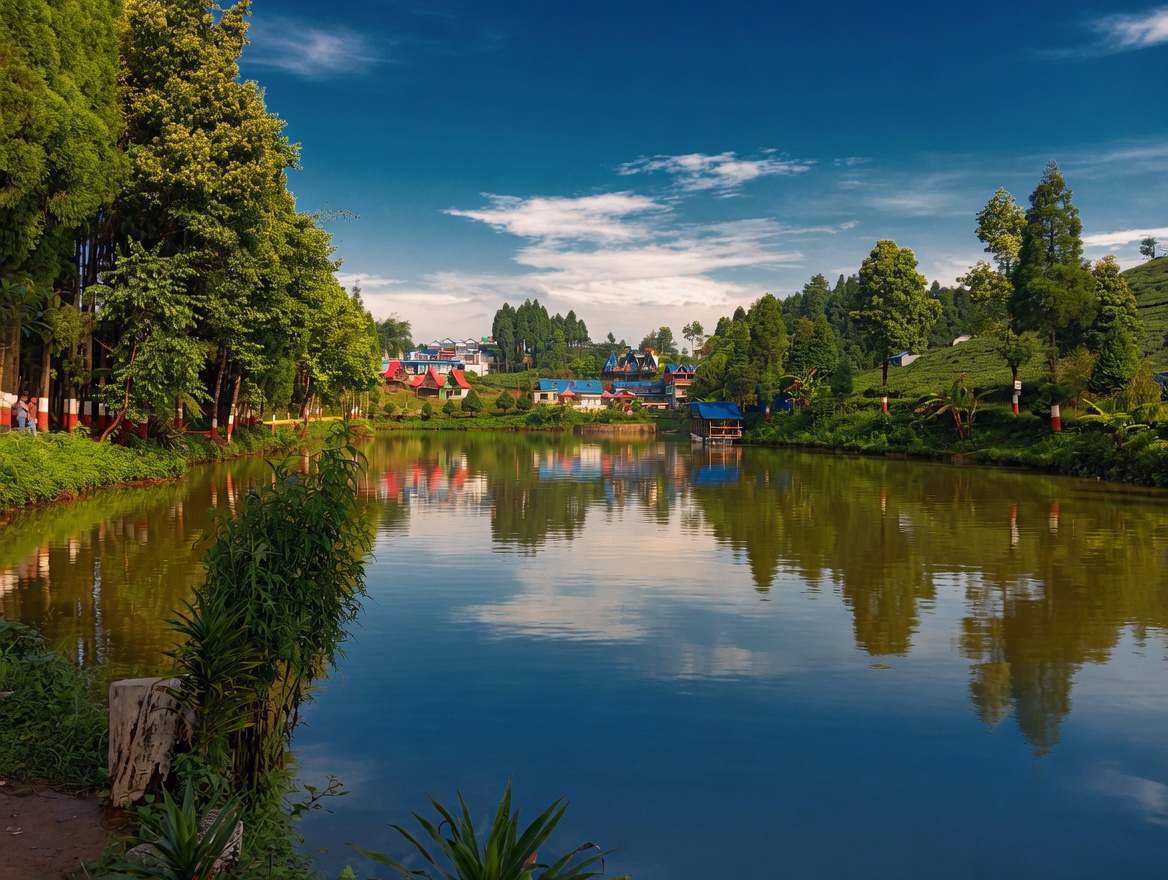
Boating & Fishing: Four boats currently operate on the pond, serving between 800 to 2,000 tourists daily.
-
Local Hospitality: The area boasts 110 hotels and cottages, along with 50 community homestays, providing direct employment to over 310 individuals.
-
Landscape: Visitors are treated to views of pine forests, cardamom orchards, and the distant lights of Darjeeling and Siliguri at night.
Looking Ahead
The federal government is currently overseeing further “beautification” projects, including road expansions and the construction of more sophisticated trekking trails.
Durga Kumar Baral, Acting Mayor of Suryodaya Municipality, emphasizes that Antu is just the beginning. “The Koshi Province government has declared this a ‘Tourism City.’ While Antu and Kanyam are our primary destinations, we are working to develop every ward—focusing on agriculture, herbs, and rare wildlife like the Red Panda—to make tourism the backbone of our economic prosperity.”
For travelers, the journey to Antu is easier than ever. A newly blacktopped 11-kilometer road from the Mechi Highway leads directly to the heart of this highland paradise, where the legacy of the buffalo pastures has been replaced by the bright lights of Himalayan hospitality.