ABC’s ‘Maurice Herzog’ trail reopens
Heavy rainfall and snowfall from Oct 27 to Nov 1 had forced local authorities and the rural municipality to temporarily close the trail.

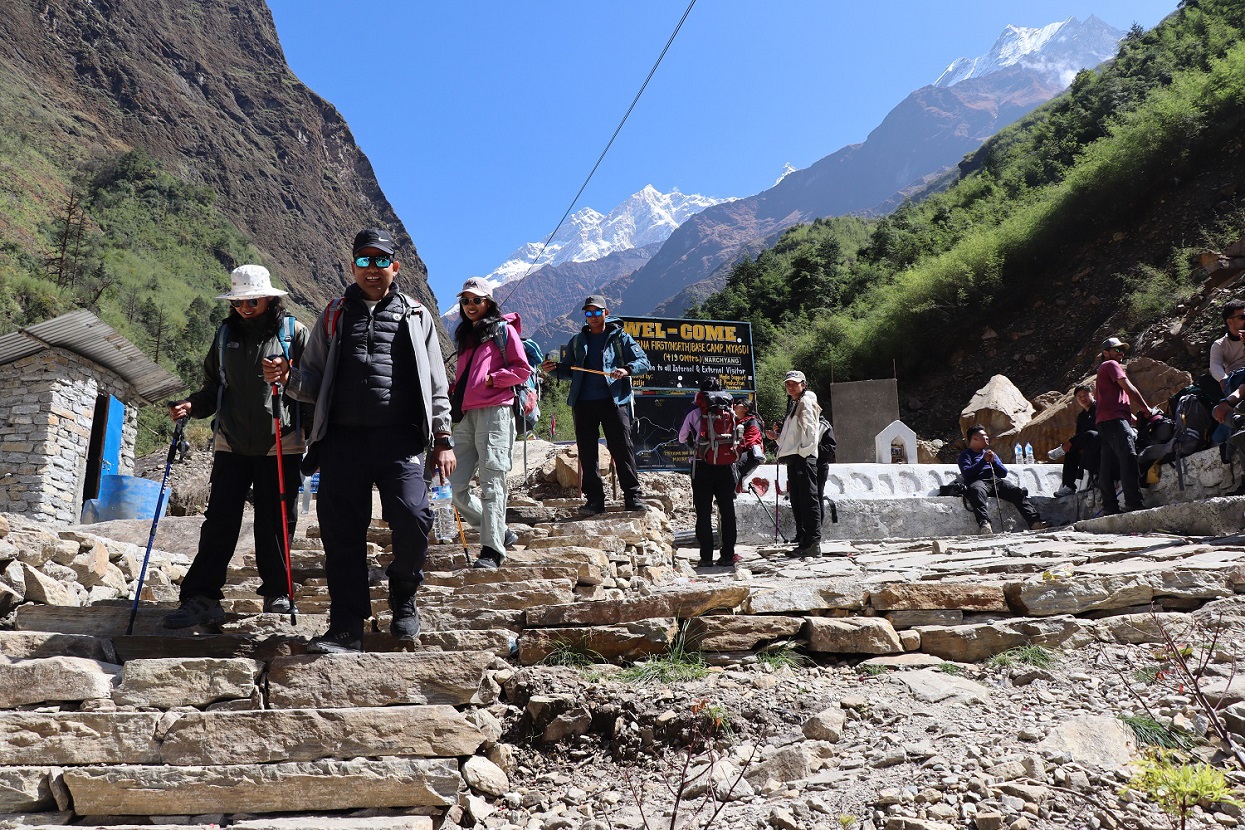
KATHMANDU: The ‘Maurice Herzog’ trekking route connecting to Annapurna Base Camp has reopened, welcoming visitors once again. Standing at 8,091 meters, Annapurna and its base camp lie within Madi’s Annapurna Rural Municipality–4.
Heavy rainfall and snowfall from Oct 27 to Nov 1 had forced local authorities and the rural municipality to temporarily close the trail.
With weather conditions now improving, the route has been reopened, confirmed ward member Shyam Purja.
“Despite the drop in temperature, tourist arrivals have not slowed,” he said. “The reopening of the trail has increased footfall, attracting adventure seekers.”
Annapurna Base Camp is emerging as a new destination for those interested in experiencing both hill and high-mountain trekking within a short period.
The trek passes by sparkling waterfalls and the turquoise Panchakunda Lake before reaching the base camp at 4,190 meters. The journey can be completed in three days, covering Nilgiri and the Annapurna ridge.
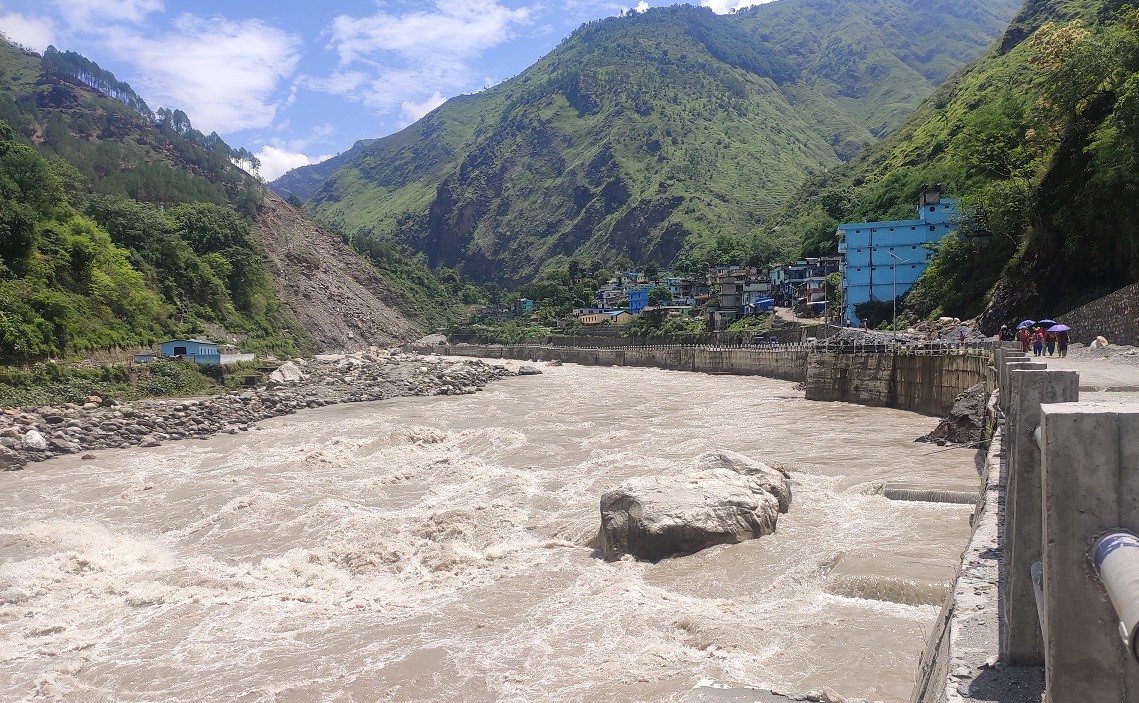
The trail includes a 20-kilometer road from Narchyang to Humkhola and a basic 22-kilometer trekking path from Humkhola to the base camp. Trekkers can enjoy the scenic Mistri River, cascading waterfalls, breathtaking mountain ranges, unique terrain, rare flora, and wildlife along the way.
The trail was first identified in 2011 by Tej Gurung of Narchyang, and in 2020, the Annapurna Rural Municipality officially mapped it and named it the ‘Maurice Herzog’ trail.
Since last spring, locals from Narchyang, with permission from the Annapurna Conservation Area Project (ACAP) and the rural municipality, have set up temporary structures along Humkhola, Futfute Waterfall, Sagikhark, Gufafant, Bhuskhet, and Panchakunda to accommodate 50 tourists at a time.
Permanent structures require ACAP approval. Michael Pun, a hotel operator in Bhuskhet, said tourists are currently accommodated in temporary huts made of wood, tarpaulin, and tin. “ACAP permits structures for up to 50 visitors,” he added, urging tourists to book in advance for a smoother experience.