A table full of home: Teej celebrated through food on central coast (photos)
From crispy sel roti to tangy aaloo tama, the flavors of Nepal made the festival unforgettable.

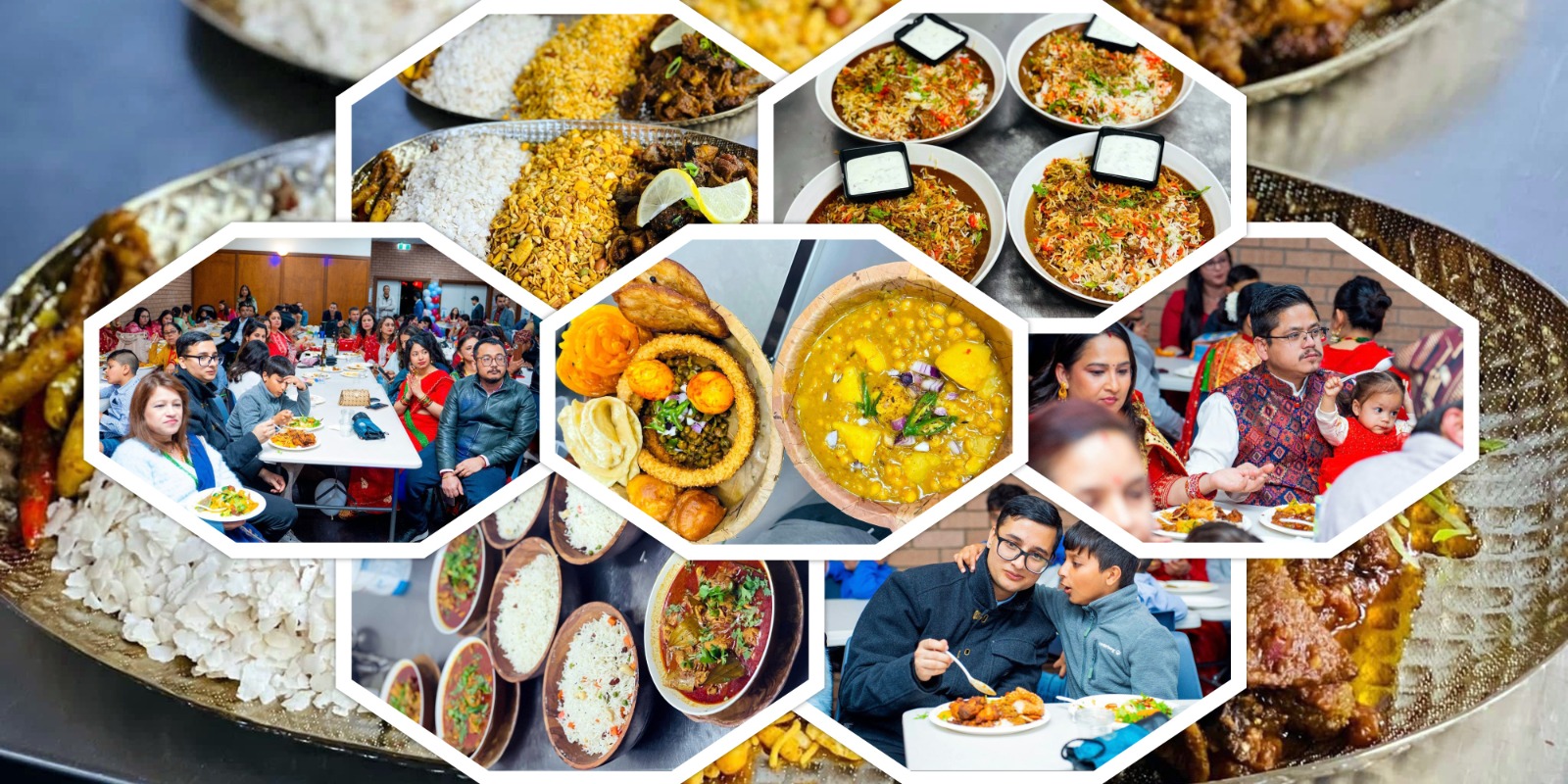
SYDNEY: The real celebration at last Saturday’s Teej festival began not on stage but in the kitchen.
By 3 PM on Aug 16, hours before guests arrived at Tuggerah Community Hall, the air was already thick with the smell of frying sel roti and simmering aaloo tama.
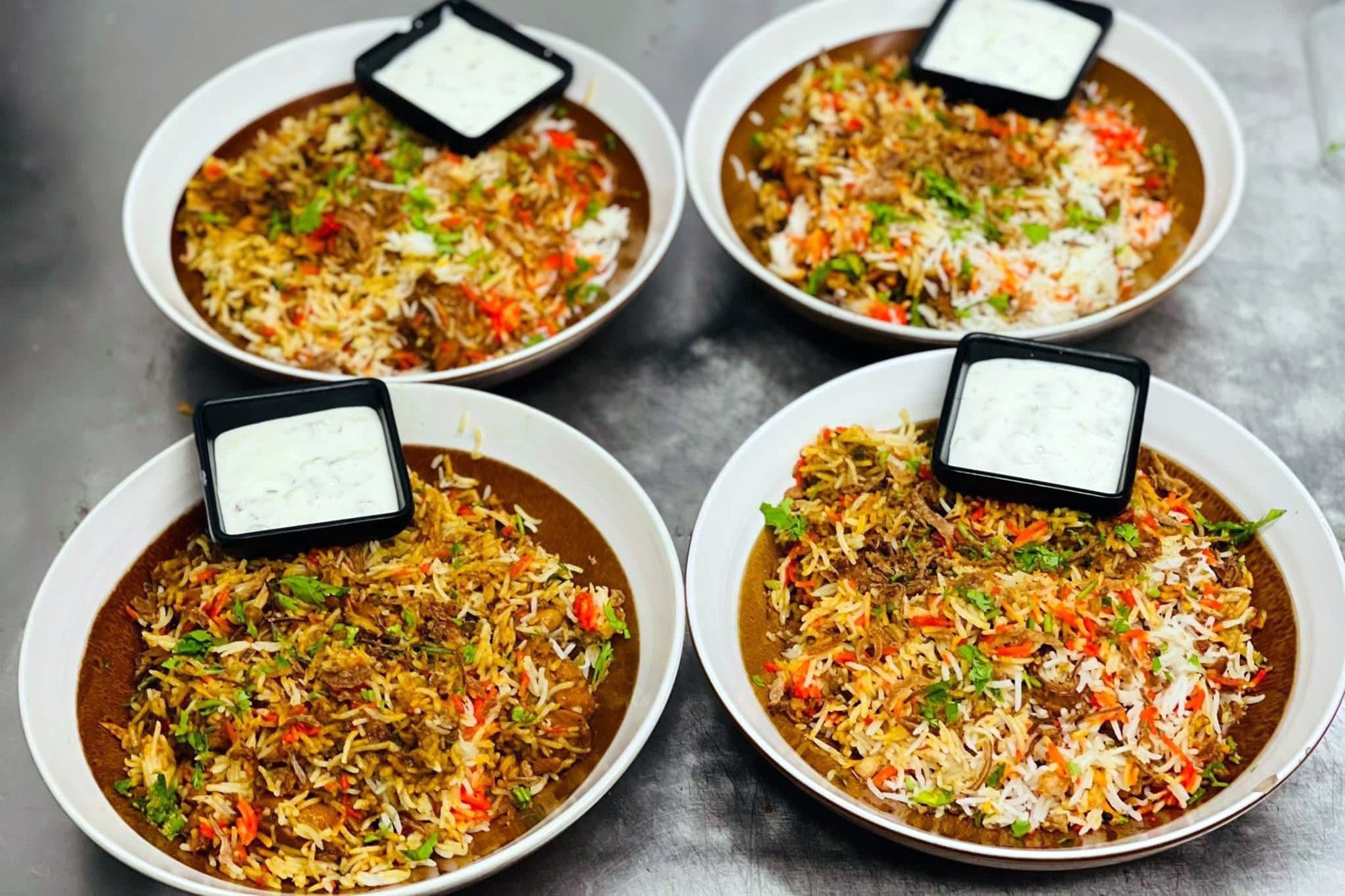
This was not just a party with food. It was a party built around food, where every tradition, dance, and conversation circled back to the long table at the centre of the room.
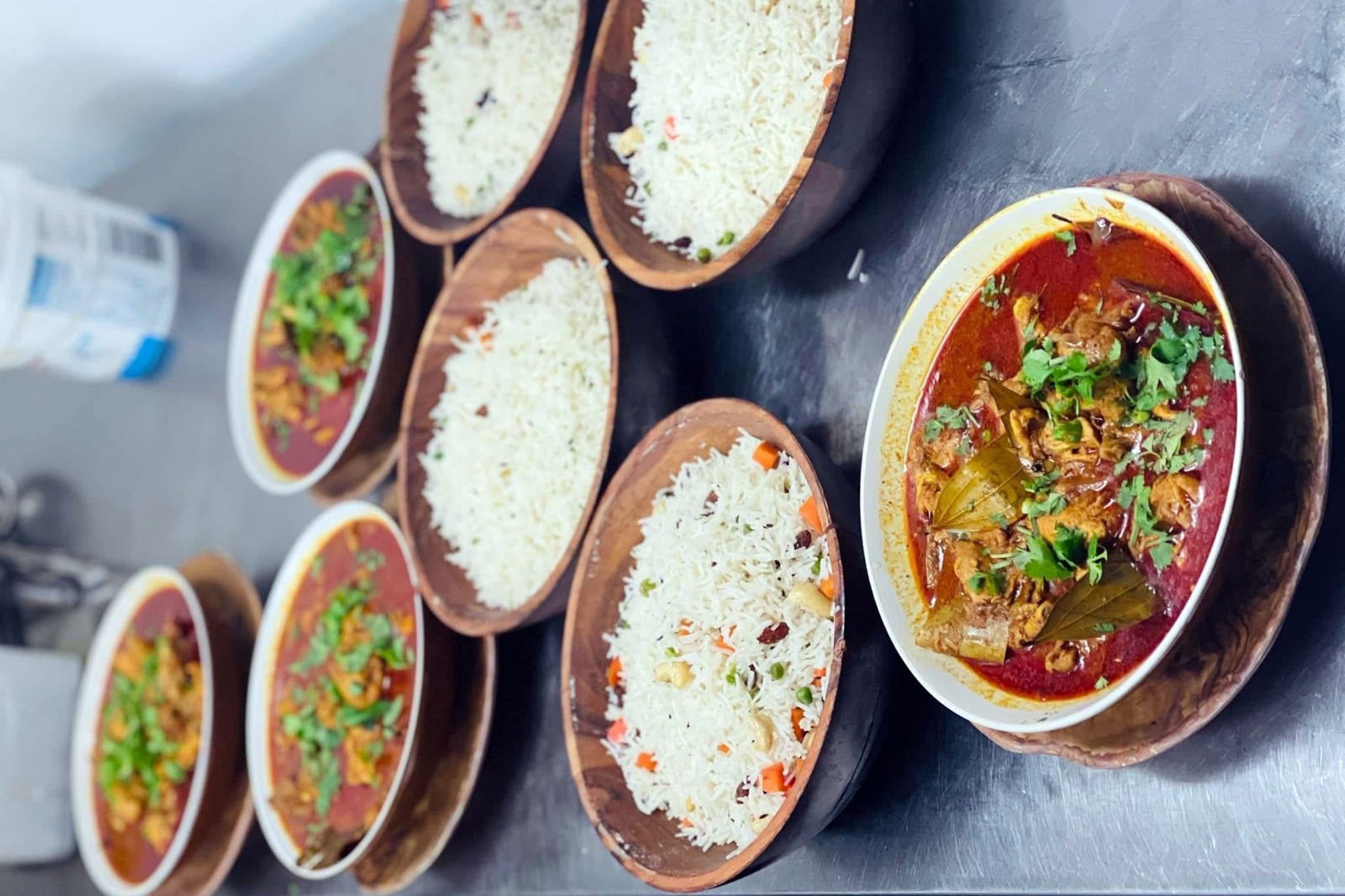
The Central Coast Nepali Community organised the event, but the true hosts were the dishes themselves. The dar, or feast table, held pride of place under bright lights.
Golden sel roti rings, crisp outside and soft inside, formed neat towers at one end.
Next to them, bara lentil pancakes arrived fresh from the griddle, steam rising from their blackened edges. Platters of choila followed, the grilled meat glistening with mustard oil and timur spice.
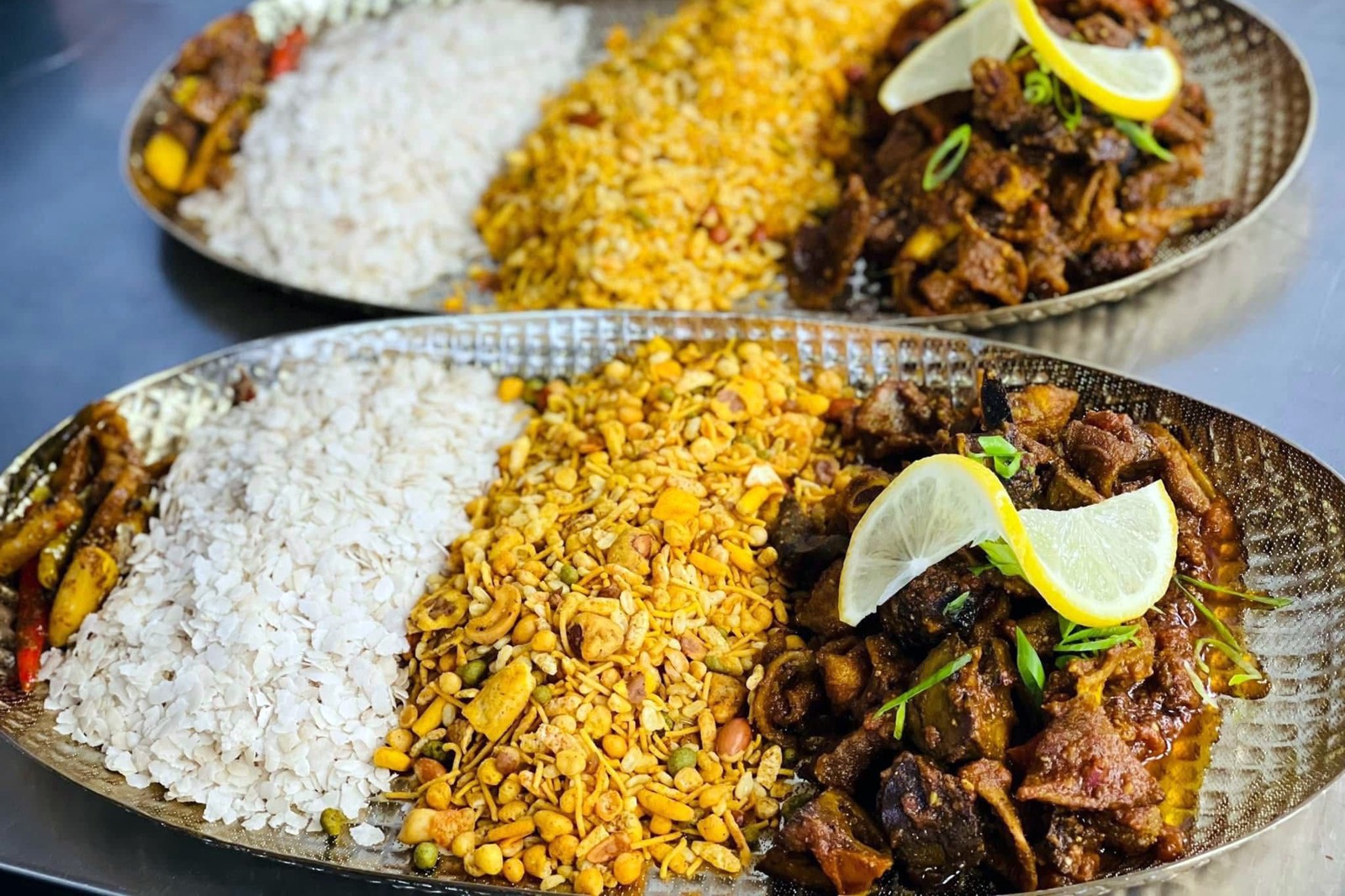
The star of the table was the Newari khaja set. Served on traditional metal platters, each set held a perfect circle of flavours: beaten rice (chiura), spicy potato salad, black soybeans, lemon slices, and a generous portion of aaloo tama with its distinctive sour bamboo shoots. Families gathered around these platters, mixing ingredients with their hands just as they would in Kathmandu’s courtyards.
Sweet treats filled every spare inch of table space. Jalebi coiled like orange flowers, soaked in syrup and still warm. Puri puffed perfectly, waiting to be dipped into the potato curry.
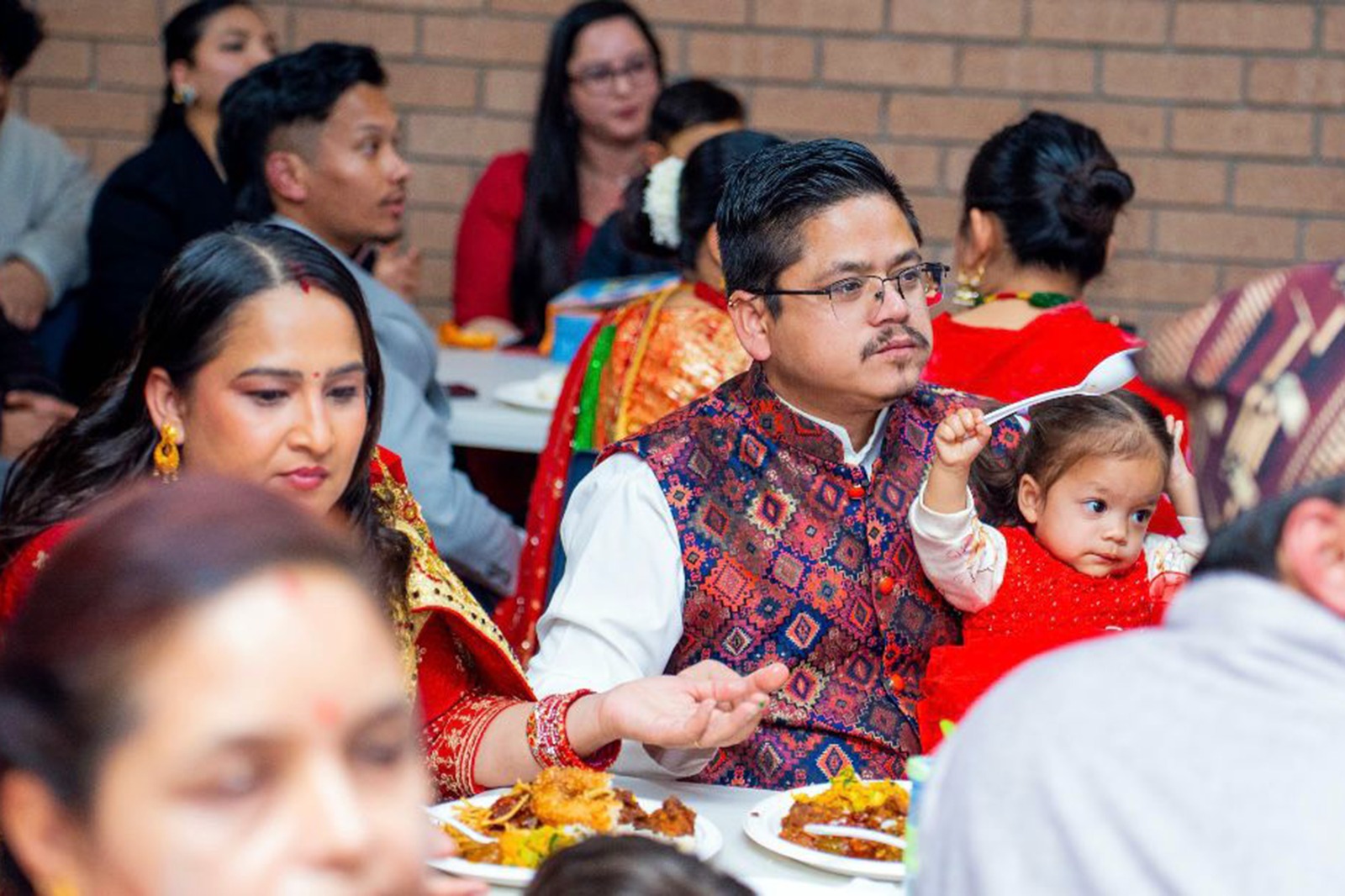
Bowls of khir (rice pudding) and dahi (yoghurt) stood ready for women breaking their fast. Yomari dumplings, anarsa sweets, peda, and laddu completed the spread. Children moved between the savoury and sweet sections with practised efficiency, fingers sticky within minutes.
I watched as volunteers carried fresh batches from the kitchen to the table every twenty minutes. Nothing sat long. The aaloo tama pot was refilled three times. The sel roti station never paused. Even during singer Rajanraj Shivakoti’s performance, people ate while they danced, plates balanced carefully in one hand.
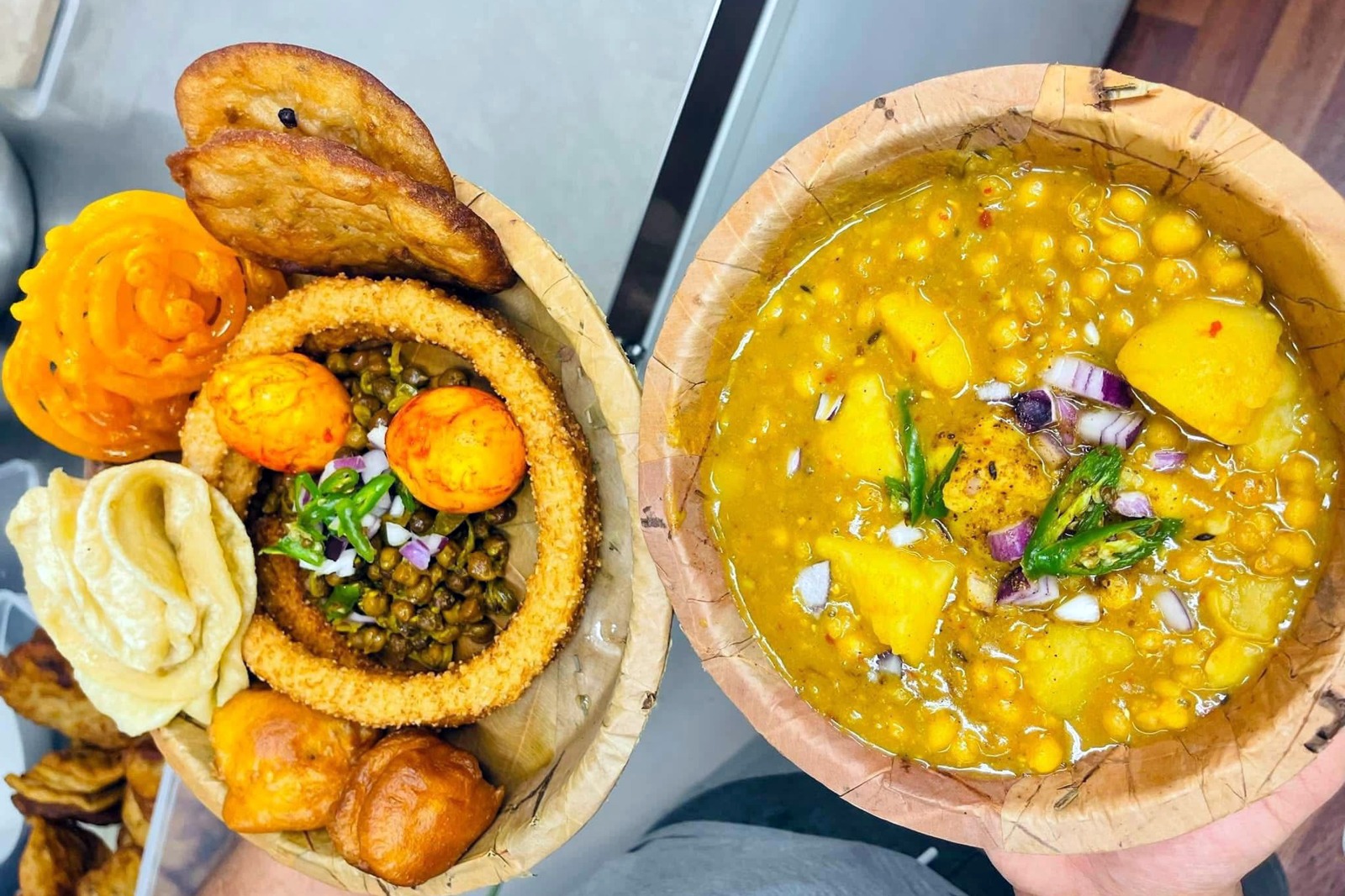
Santosh Timalsina, community president, stood by the food table all evening. “People will forget the songs,” he told me, “but they will remember the taste of sel roti made by their aunties. Food is our strongest memory. It does not need translation.”
The fasting women broke their fast together just after sunset. They began with dahi and khir, then moved slowly through the table, savouring each dish as if meeting an old friend. One elder closed her eyes after tasting aaloo tama. “This is the taste of my mother’s kitchen,” she said softly. Her granddaughter, born in Australia, watched closely before taking her own bite.
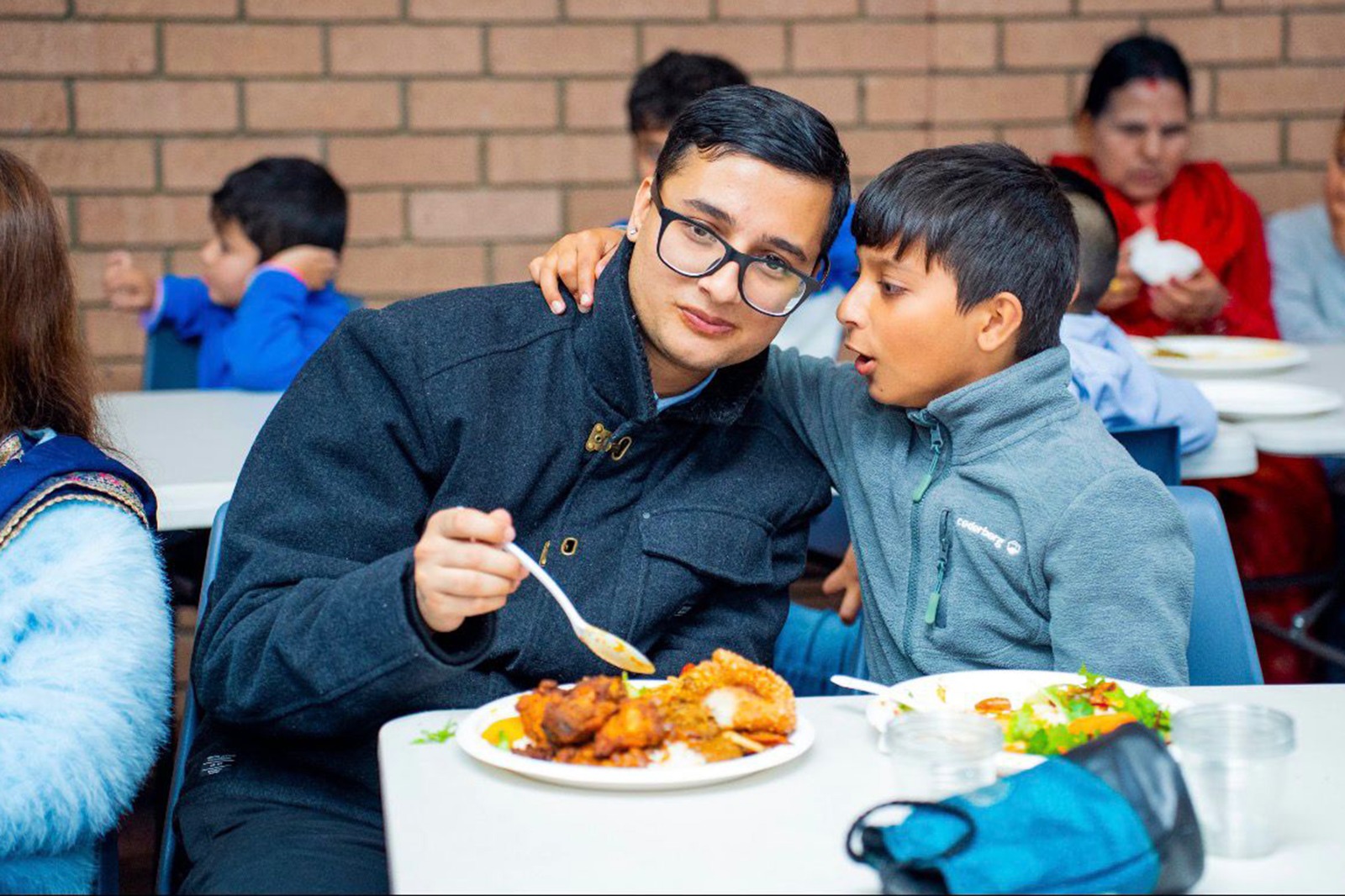
Even the dancing honoured food. During Teej dance performances, dancers moved with wrists flicking like pouring oil and hips swaying like pots on a stove.
Between songs, performers accepted plates from the audience. No one performed on an empty stomach.
As the evening ended, the food table remained the last gathering point. People filled takeaway containers not out of greed, but gratitude. They wanted the taste to last through Monday. Leaving the hall, I passed families in the parking lot already planning next year’s menu. Who would make sel roti? Who would source fresh bamboo shoots? Who would perfect the jalebi syrup?
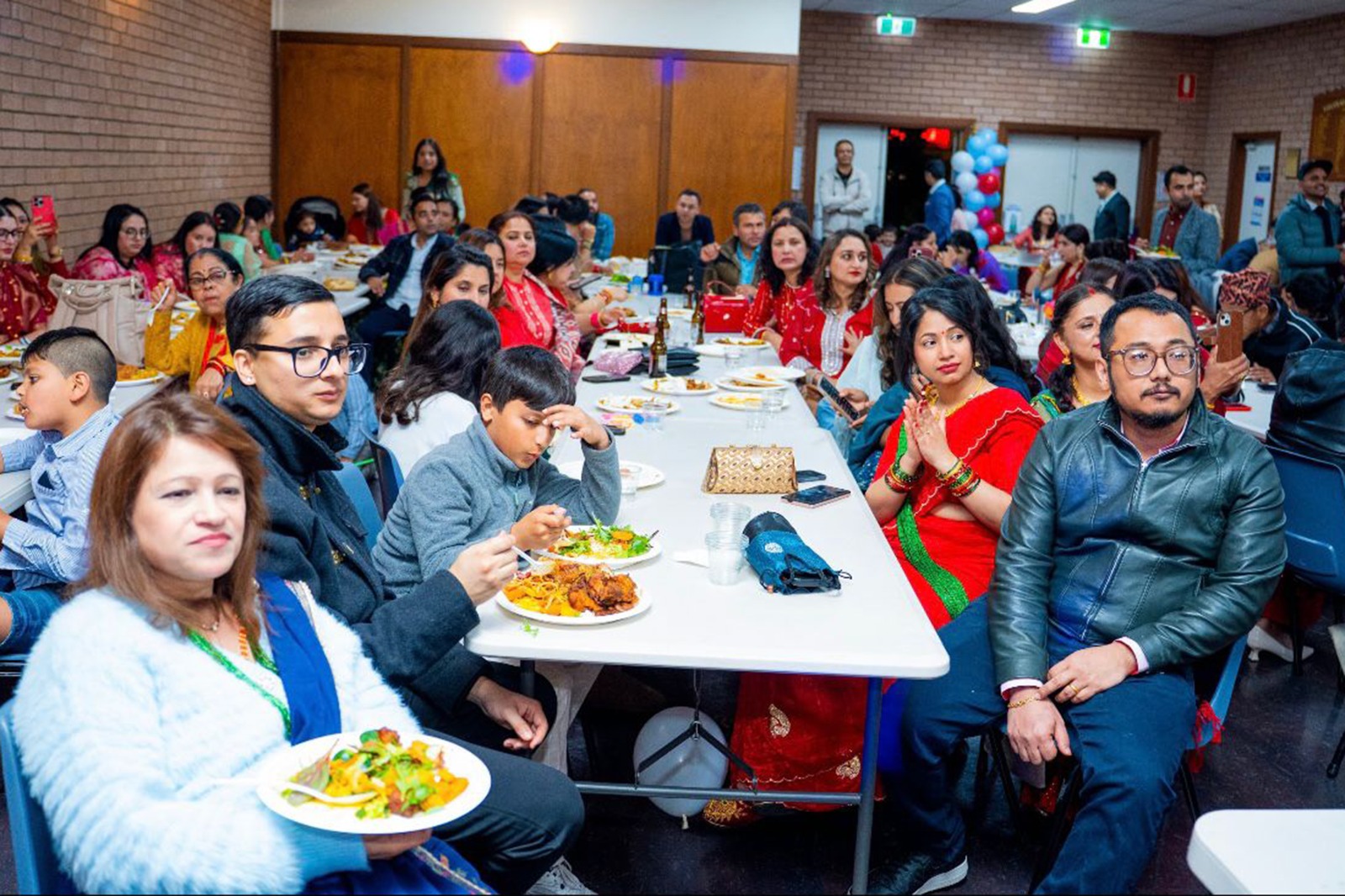
Teej on the Central Coast proved that festivals travel best through taste. Music fades. Dance steps are forgotten. But the sour note of aaloo tama, the crunch of puri, the sweetness of jalebi, these stay.
They become the map back to home, no matter how far away that home may be.
This was not a festival with food. It was the food that made the festival. And in that truth, Nepal felt very close indeed.