Nepal Garment Industry faces 132,000 job losses amid LDC graduation, leaders warn

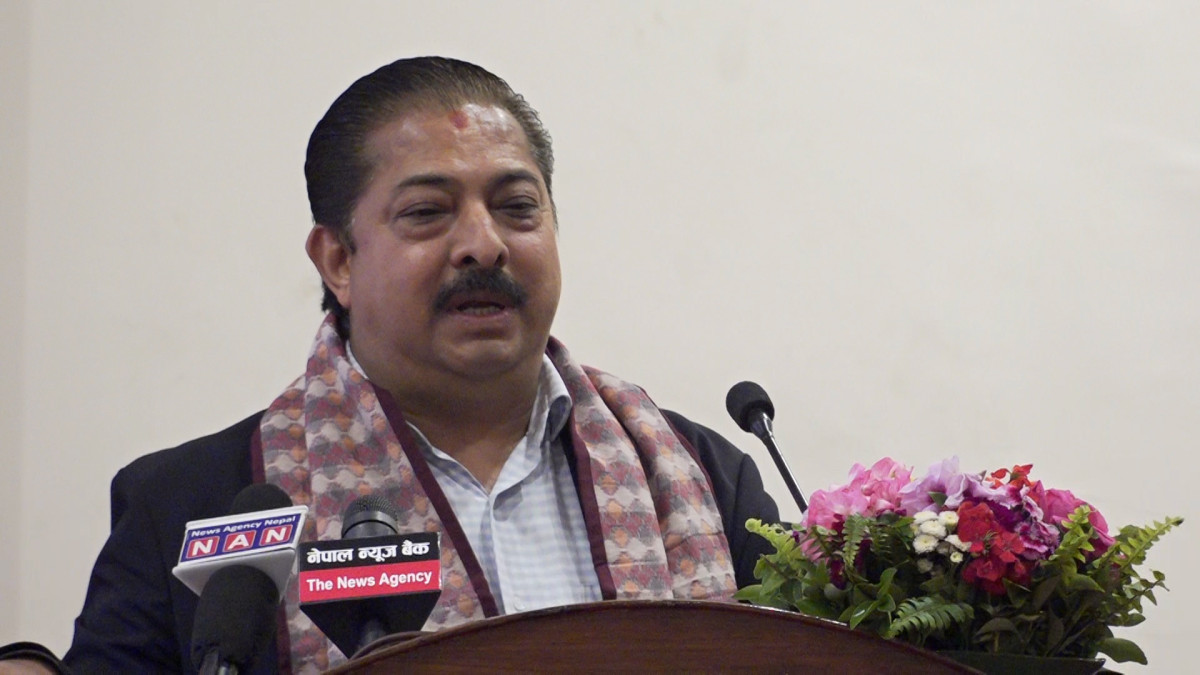
KATHMANDU: Senior leaders of Nepal’s business community have raised urgent concerns over the country’s preparedness for economic transition following its graduation from the Least Developed Country (LDC) status.
Industry experts warned that Nepal’s garment sector, a key driver of employment and export revenue, could face major disruptions if immediate policy and infrastructure interventions are not implemented.
Speaking at the “Post-LDC Graduation: Challenges and Opportunities for Ready-Made Garment Exports” seminar organized by the Ready-Made Garment Exporters Association of Nepal (RMGAN), Anjan Shrestha, Senior Vice President of the Federation of Nepalese Chambers of Commerce and Industry (FNCCI), emphasized the need for the government to facilitate private sector growth rather than operating state-owned industries.
Shrestha highlighted that Nepal imports nearly 70% of its domestic consumption, framing this not as a challenge but as a significant opportunity for local production. He noted that the country’s garment industry has drastically shrunk—from around 1,250 factories at its peak to just 100 active units today—and called for an integrated “Farm-to-Foreign” strategy encapsulated in the “Five Fs”: Farm, Fiber, Fabric, Fashion, and Foreign market.
Shrestha criticized the government’s plans to revive state-owned factories in Hetauda, arguing that taxpayer-funded enterprises competing with private industry are counterproductive. He also warned that declining birth rates and youth migration, coupled with technological disruption and AI adoption, could create a future labor shortage.
He stressed the importance of preserving export incentives post-LDC graduation, noting that FNCCI has successfully lobbied for a minimum three-year delay in losing preferential trade benefits. “We still have the opportunity to increase 70% of production domestically—from sewing needles to vehicle assembly—if efforts are pursued with integrity,” he said.
Vice President Hemraj Dhakal called for a two-year deferment of Nepal’s LDC graduation, citing political instability and lack of readiness.
Speaking at the same event, Dhakal noted that infrastructure gaps, high logistics costs, inefficient airport warehousing, and cumbersome customs processes make Nepal’s business environment less competitive compared to neighbors like Bangladesh, India, and Vietnam.

“Cargo transport costs in Nepal are $3 per kg. If Nepal had a major airport like Nijgadh, costs could drop to $1 per kg. Meanwhile, our Asian Highway connectivity lags behind regional standards,” Dhakal said. He urged a unified private sector approach to ensure smooth transition and safeguard labor-intensive industries like garments and pashmina.
FNCCI President Birendra Raj Pandey also expressed concern that LDC graduation could severely affect Nepal’s manufacturing sector. He pointed out that production-based contribution to GDP is below 5%, while formal sector employment accounts for only 7% of the workforce.
High logistics costs—28–30% of product value in Nepal versus 10–16% in neighboring countries—further weaken competitiveness.
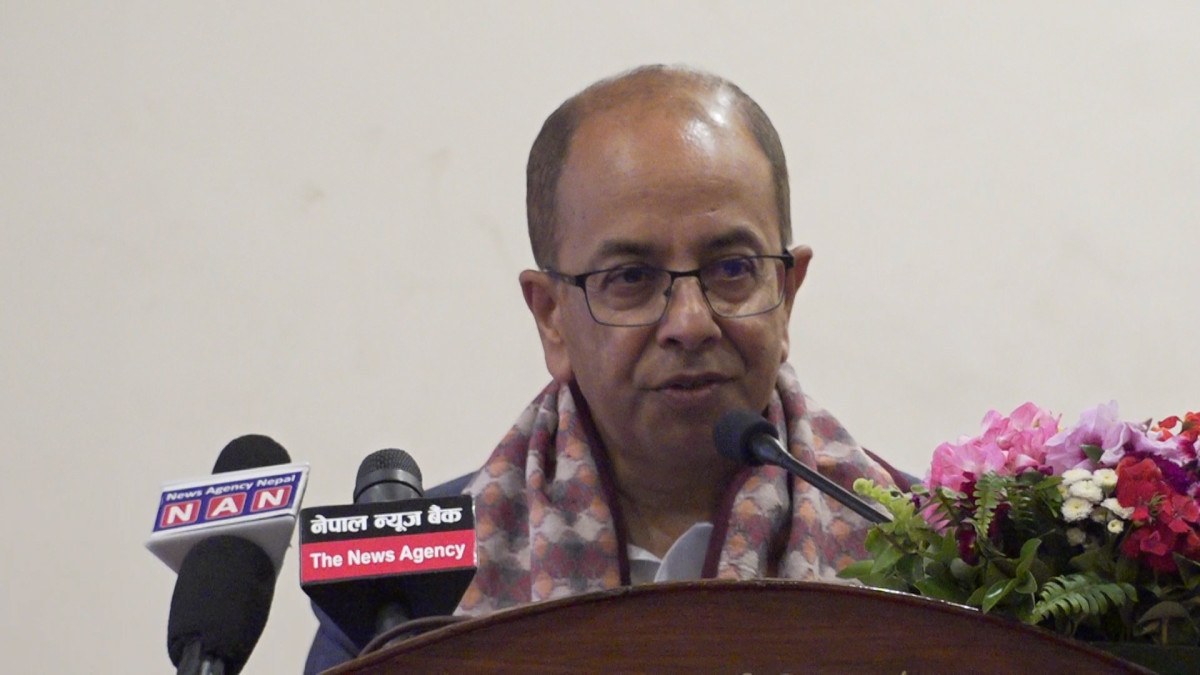
Pandey warned that new trade dynamics, including potential free trade agreements between India and the EU, could undermine Nepalese textile exports. He urged the government to ensure that no industrial sector is disadvantaged post-LDC graduation and to establish clear policies to support manufacturers.
Ready-Made Garment Association President Pashupati Dev Pandey sounded the alarm on job losses, projecting that roughly 132,000 workers could lose employment in the next five years if urgent measures are not taken. He emphasized the need for government-backed initiatives such as the “Green Garment Village” and a Textile & Garment Council to support sectoral growth.
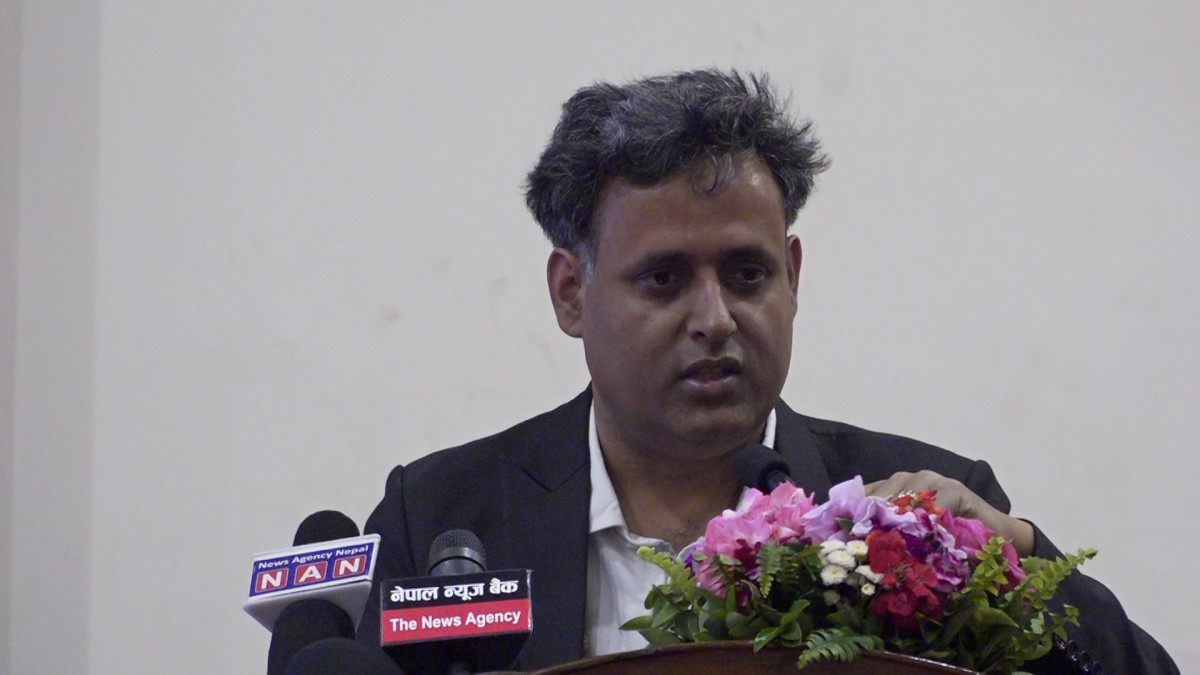
Pandey criticized outdated laws and insufficient budget allocations for export promotion, highlighting that new government policies often fail to consult industry stakeholders. He welcomed the recent move mandating government employees to wear locally produced clothes, predicting it could provide relief during off-seasons.
He concluded that the garment sector’s sustainable development relies on comprehensive government support, regulatory reform, and incentives that encourage private investment and competitiveness.
Key Takeaways:
- Nepal imports 70% of domestic goods, presenting a growth opportunity for local production.
- Garment industry employment could decline by 132,000 post-LDC graduation.
- Experts call for at least a two-year delay in losing preferential trade benefits.
- High logistics costs and weak infrastructure threaten global competitiveness.
- Unified private sector action and supportive government policies are essential for a smooth economic transition.