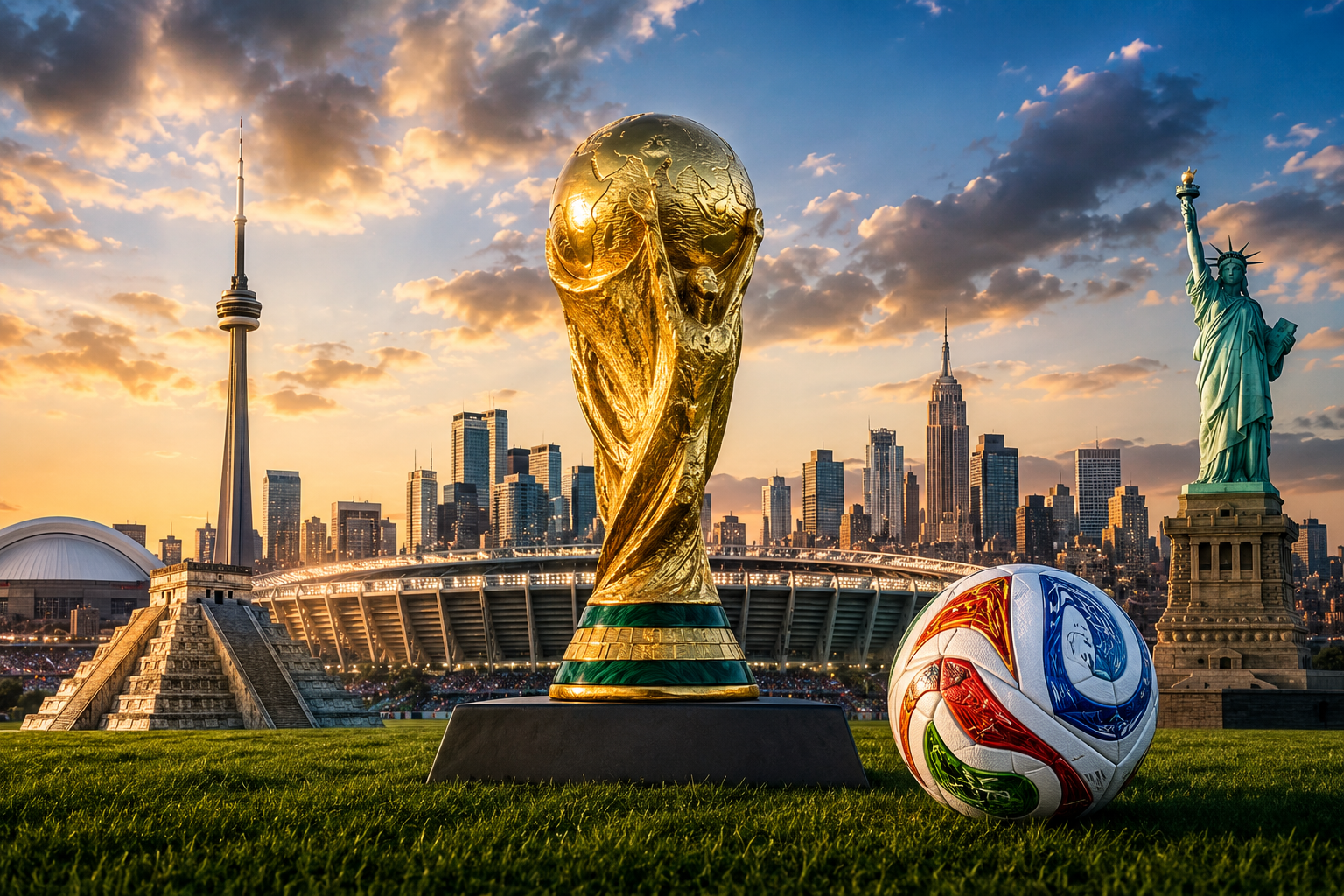
This edition of the World Cup features 12 groups, with the top two teams from each group automatically advancing to the Round of 32.
That accounts for 24 qualified teams.
The remaining eight slots will be filled by the best third-placed teams across all groups, making every point crucial even for sides outside the top two.
This system ensures that the knockout stage features 32 teams in total, keeping more nations alive deep into the tournament.
How Tie-breakers Work
In case teams finish level on points, FIFA has introduced a revised tie-breaking hierarchy that prioritizes head-to-head results over goal difference.
- If two teams are tied on points, their direct encounter determines ranking.
- If three or more teams are tied, a mini-league is created using only matches between those teams.
- If still unresolved, goal difference and goals scored within those matches are considered.
Discipline Could Decide Margins
If teams remain inseparable after sporting criteria, disciplinary records come into play under the “Team Conduct Score” system.
Cards carry penalty points:
- Yellow card: 1 point
- Two yellows leading to red: 3 points
- Direct red card: 4 points
- Yellow followed by direct red: 5 points
The team with fewer points (cleaner record) ranks higher. Several teams are currently on zero disciplinary points, while others have already accumulated penalties.
If even this fails to separate teams, FIFA rankings from June are used as the final decider.
Third-Placed Teams Add More Drama
From the 12 third-placed finishers, only the best eight will progress. Their ranking is also determined through points, goal difference, goals scored, disciplinary records, and FIFA rankings.
FIFA has already prepared multiple knockout scenarios, meaning the final bracket will only be confirmed once all group results are completed.
Potential Matchups Emerging
Early projections suggest some intriguing possibilities. England, if it tops its group, could face a strong third-placed side such as Portugal in the Round of 32. From there, the path could quickly intensify, potentially leading to clashes with heavyweights like Spain, France, Brazil, or Argentina in later rounds.
In another projection, Germany — currently in strong form — could meet a third-placed Scotland side, while the Netherlands may also enter the same knockout pathway depending on final standings.
Host nation United States is also being viewed as a strong contender for a deep run, with home support potentially pushing them into the quarterfinal stage.
Still All to Play For
With several group-stage matches remaining, the knockout picture remains fluid. Final confirmation of fixtures will only come after the group stage concludes on June 29.
In a tournament of fine margins, every goal, every point, and even every card could ultimately shape the road to the World Cup final.