Winter Safety Tips: Protecting children & seniors amid falling temperatures
Doctors warn that cold weather can significantly increase the risks of seasonal illnesses, especially for vulnerable groups such as infants, school-age children, and people above 60.

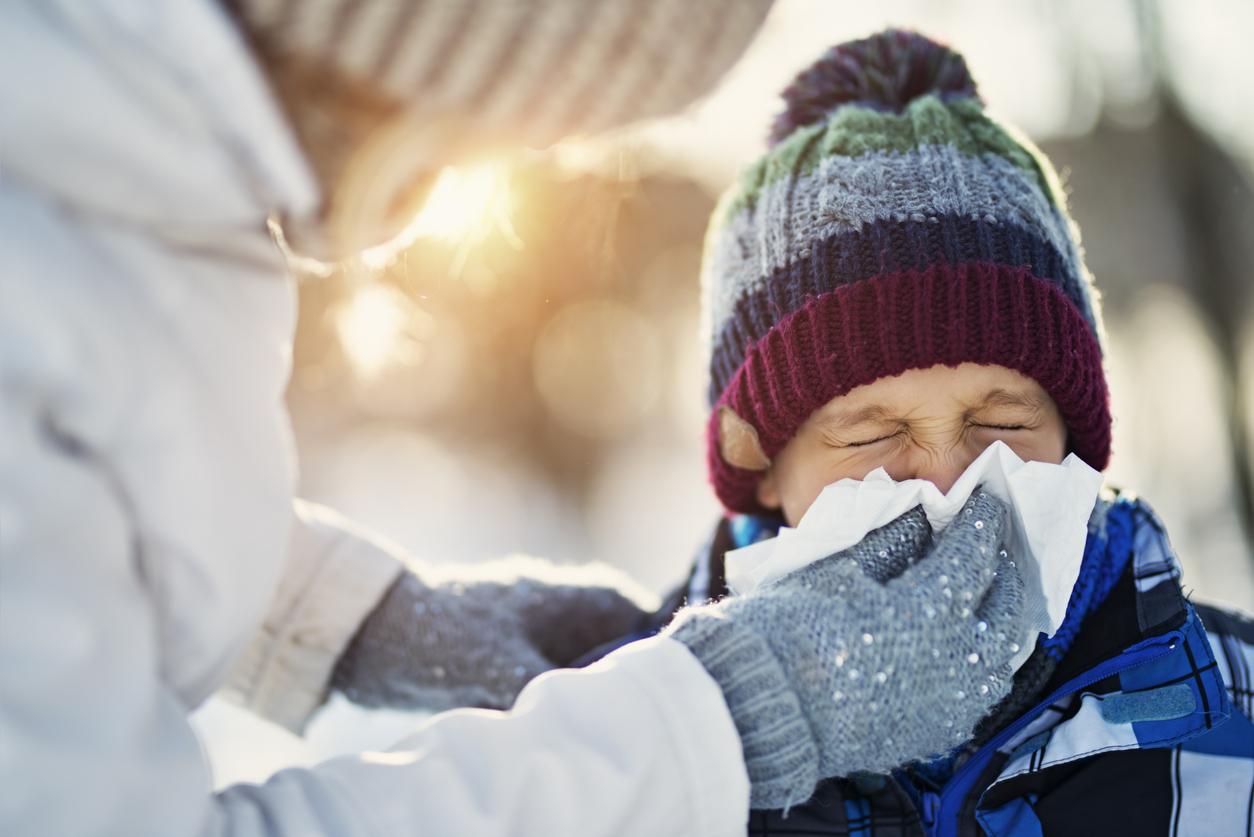
KATHMANDU: As temperatures continue to drop across Nepal, health experts are urging families to take extra precautions to keep children and elderly citizens safe during the winter season.
Doctors warn that cold weather can significantly increase the risks of seasonal illnesses, especially for vulnerable groups such as infants, school-age children, and people above 60.
According to public health officials, winter brings a higher chance of respiratory infections, including common colds, flu, and pneumonia.
“Kids and older adults have comparatively weaker immunity, so exposure to extreme cold can affect them more quickly,” said a senior physician at the Teku Hospital. “Early prevention is much easier than treating severe complications later.”
Warm Clothing and Safe Heating Essential
Experts recommend dressing in layers, covering the head, feet, and hands, and choosing warm but breathable fabrics. For babies and toddlers, caregivers should ensure that rooms are warm but not overheated. Similarly, older people are advised to avoid sitting in cold, drafty areas for long periods.
Households using heaters, electric blankets, or charcoal stoves are encouraged to follow safety guidelines to prevent fire hazards and indoor pollution.
Black-smoke–producing heaters should not be used in closed rooms, as poor ventilation can lead to dangerous air quality.
Nutritious Food and Hydration Key
Nutritionists say winter diets should include warm meals, seasonal vegetables, lentils, fruits rich in vitamin C, and adequate hydration.
Although people tend to drink less water in cold months, doctors stress the importance of regular fluid intake to prevent dehydration and support immunity.
For elderly individuals with chronic conditions such as asthma, heart disease, or joint pain, health workers recommend routine check-ups and adherence to prescribed treatment plans. Sudden temperature changes can worsen existing health problems.
Schools and Families Urged to Stay Alert
Schools have also been advised to provide warm learning environments and encourage students to wash their hands frequently to reduce the spread of infections.
Parents are encouraged to observe early symptoms—such as fever, persistent cough, or difficulty breathing—and seek timely medical advice when needed.
Local municipalities in several districts have begun distributing warm clothes and blankets to low-income families.
Health offices are also conducting awareness campaigns about safe heating practices and winter hygiene.
Experts conclude that a combination of warmth, cleanliness, balanced food, and safe living conditions can significantly reduce winter-related health risks.
Families are encouraged to take proactive steps as the cold intensifies in the coming weeks.