Uruguay’s four stars explained: The historic truth behind their jersey symbol
Uruguay has officially won the FIFA World Cup only twice, in 1930 and 1950.

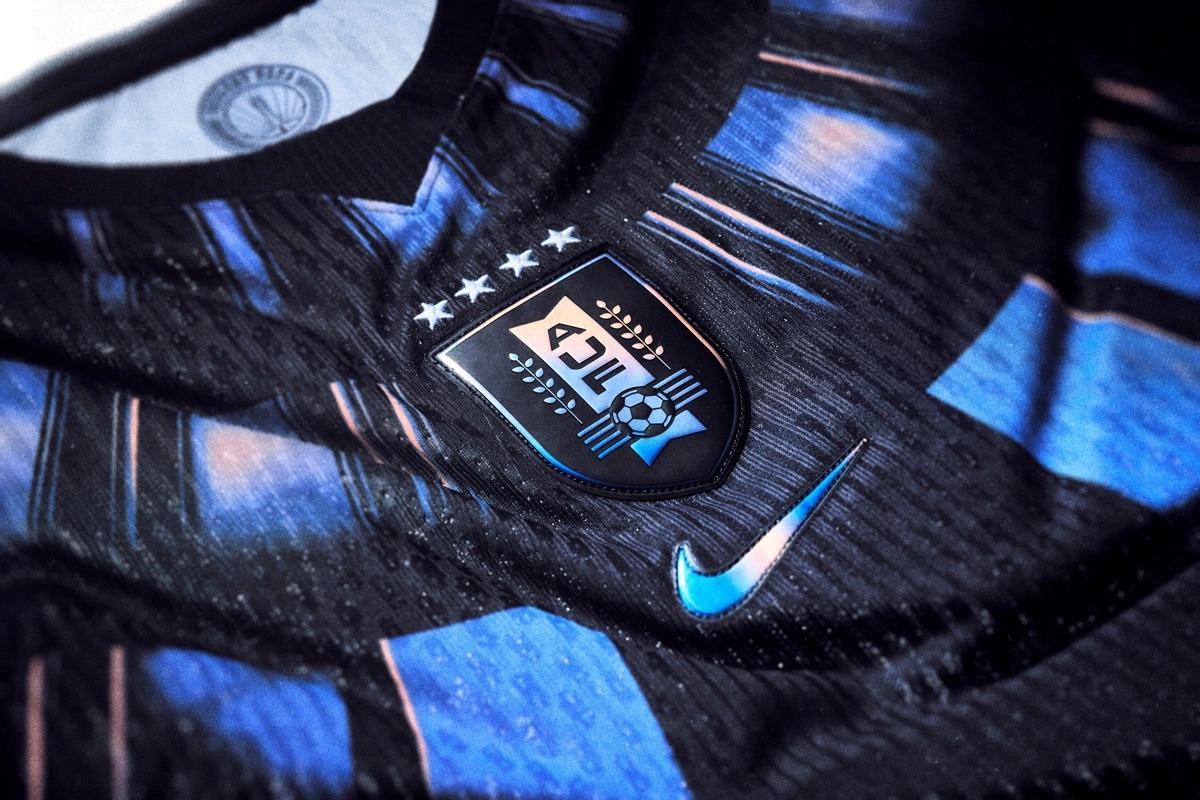
KATHMANDU: Uruguay’s national football team has once again drawn global attention at the FIFA World Cup 2026—not just for its performance, but for a striking symbol on its jersey: four stars above the crest.
At first glance, the detail appears puzzling. Uruguay has officially won the FIFA World Cup only twice, in 1930 and 1950.
Under the modern convention, each World Cup title is typically represented by a single star. So why does Uruguay proudly display four?
The answer lies deep in football history, long before the modern World Cup era began.
Before the FIFA World Cup was established, Olympic football was regarded as the highest level of international competition.
In particular, the 1924 Paris Olympics and the 1928 Amsterdam Olympics—both organized under FIFA’s technical supervision—were widely recognized as world championship-level tournaments at the time.
Uruguay won gold in both of those Olympic events, establishing itself as a dominant force in early international football.
When FIFA later launched the inaugural World Cup in 1930—hosted and won by Uruguay—the nation cemented its global supremacy.
Uruguay then added a second World Cup title in 1950, famously defeating Brazil in Rio de Janeiro in one of football’s most iconic upsets.
To honor this unique legacy, FIFA has allowed Uruguay to display four stars on its jersey: two representing its World Cup victories, and two recognizing its Olympic-era world championship titles.
However, the symbol remains a subject of debate among football fans and historians.
Critics argue that only World Cup titles should count toward star markings, while others insist that Uruguay’s early Olympic triumphs deserve equal recognition given their historical significance and FIFA’s own acknowledgment.
Despite the controversy, Uruguay continues to wear its four stars with pride—each one representing a defining chapter in football’s evolution.
In the end, the jersey is more than a badge of honor. It is a rare reminder that football history did not begin with the World Cup—but helped create it.