Trump’s Iran strategy unclear
Conflicting signals, diplomatic efforts, and possible policy shifts define Washington’s next move.

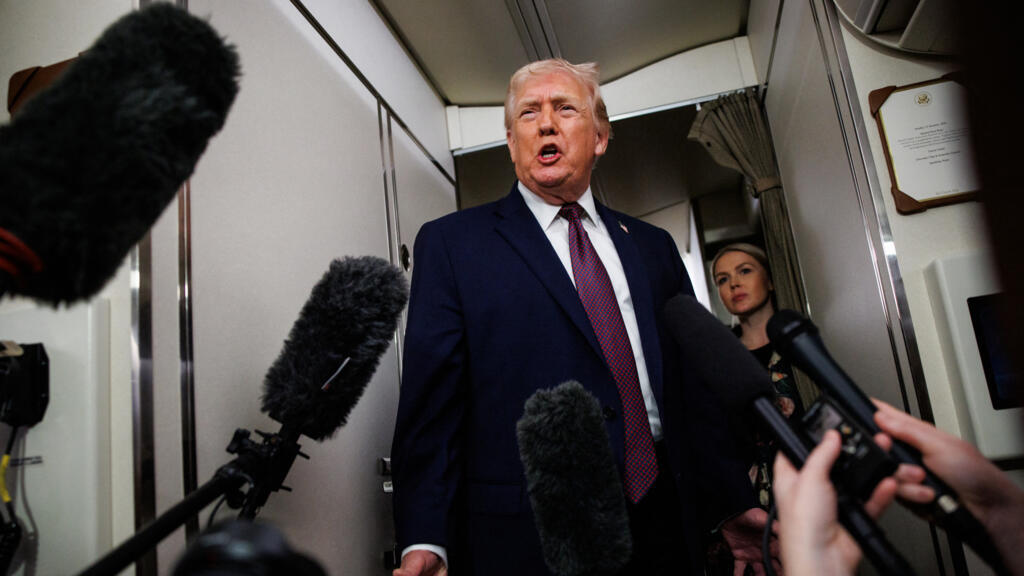
KATHMANDU: Global attention is intensifying over how U.S. President Donald Trump plans to navigate escalating tensions with Iran, as fresh insights into his potential “exit strategy” emerge amid a volatile geopolitical climate.
During a recent visit to Tennessee—including a stop at Graceland—BBC correspondent Anthony Zurcher gathered key observations suggesting a complex and at times contradictory approach from the White House.
President Trump has indicated a desire to gradually wind down military operations, yet simultaneously issued stark warnings that the U.S. could target Iranian power infrastructure if Tehran does not lift its blockade in the Strait of Hormuz. The mixed messaging reflects a strategy balancing pressure with restraint.
Earlier, Trump called off a planned airstrike on Iran at the last moment, citing “positive negotiations.” However, Iranian officials swiftly rejected the claim, stating that no such talks with Washington had taken place—further deepening uncertainty over the true state of diplomacy.
Efforts to de-escalate the crisis are gaining traction internationally. Countries such as Pakistan, Turkey, and Egypt are reportedly working behind the scenes to bridge the gap between Washington and Tehran.
Meanwhile, a notable political development has surfaced in the U.S. Vice President JD Vance—long known for criticizing prolonged foreign wars—may take a direct role in negotiations with Iran. Analysts suggest his involvement could signal a significant shift in the administration’s approach, potentially prioritizing diplomacy over confrontation.
As economic sanctions and military pressure on Iran persist, the direction Trump ultimately chooses will carry far-reaching consequences—not only for the Middle East but for global stability at large.