South Korea to ease border restrictions in major policy shift
According to the ministry, the reform is part of a broader plan to modernize military facility regulations and adapt to changing security conditions.

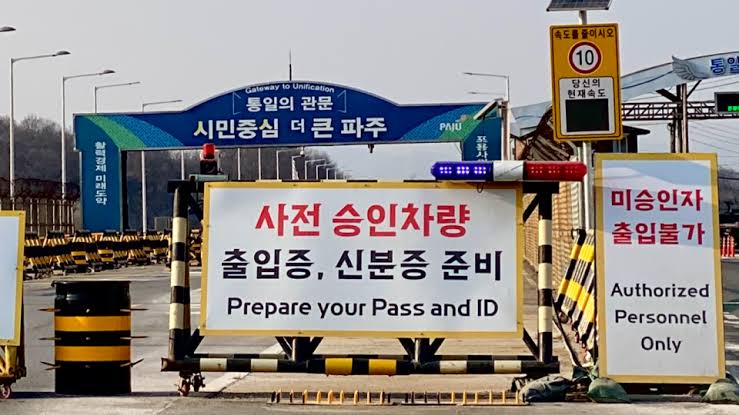
KATHMANDU: South Korea’s Ministry of National Defense has announced a significant easing of civilian access restrictions in border areas adjacent to North Korea, marking a major shift in long-standing security regulations along the heavily militarized frontier.
According to the ministry, the reform is part of a broader plan to modernize military facility regulations and adapt to changing security conditions. Defense Minister Ahn Kyu-back confirmed during a press briefing that the civilian control zone—previously extending up to 10 kilometers south of the Military Demarcation Line—will be gradually restructured starting in 2027.
Under the new framework, the control line will be adjusted to an average distance of around 6 kilometers from the border. Ahn stated that this revision will effectively shift the civilian control line backward by approximately 6 kilometers on average, transforming what is currently a tightly restricted security zone into a less restrictive regulated area.
The reform will downgrade about 270 square kilometers of controlled security zones into regulated areas with lighter restrictions, while an additional 450 square kilometers will see all remaining restrictions fully removed. Authorities also plan to dismantle selected physical barriers that are no longer considered necessary for military operations.
The ministry further announced plans to simplify approval procedures for agricultural drone operations in border farming communities. From 2027, a mobile app-based access control system will also be introduced to streamline civilian movement and administrative oversight in the region.
Officials from the Ministry of National Defense said the changes are designed to balance military readiness with improved local development and quality of life for residents living near the border, while ensuring continued security stability in response to evolving conditions on the peninsula between South Korea and North Korea.