Thapa-Pokharel clash: Congress not slaves, UML claims spartacus legacy
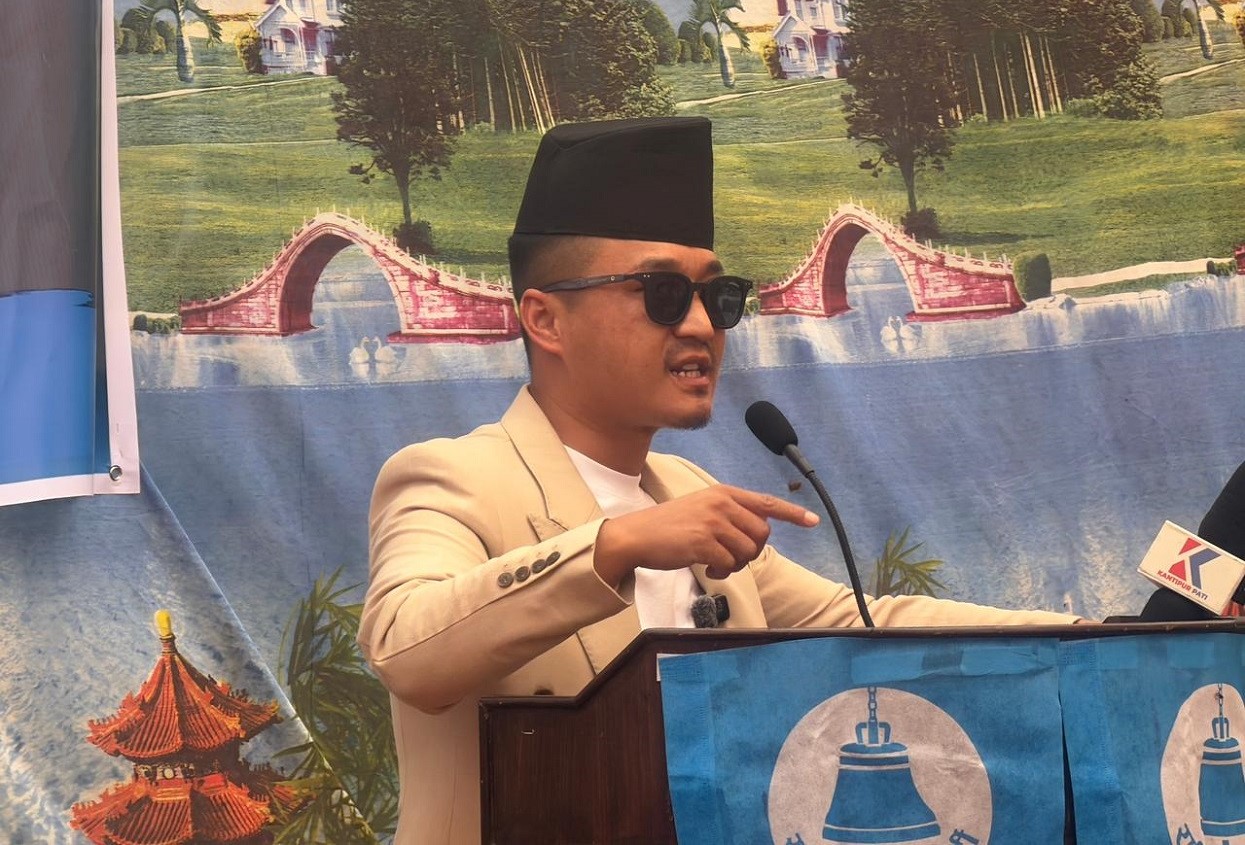
During a speech at the Nepali Congress’s special convention on Sunday, Congress General Secretary Gagan Thapa asserted the party’s culture of free expression while taking a sharp dig at the UML.

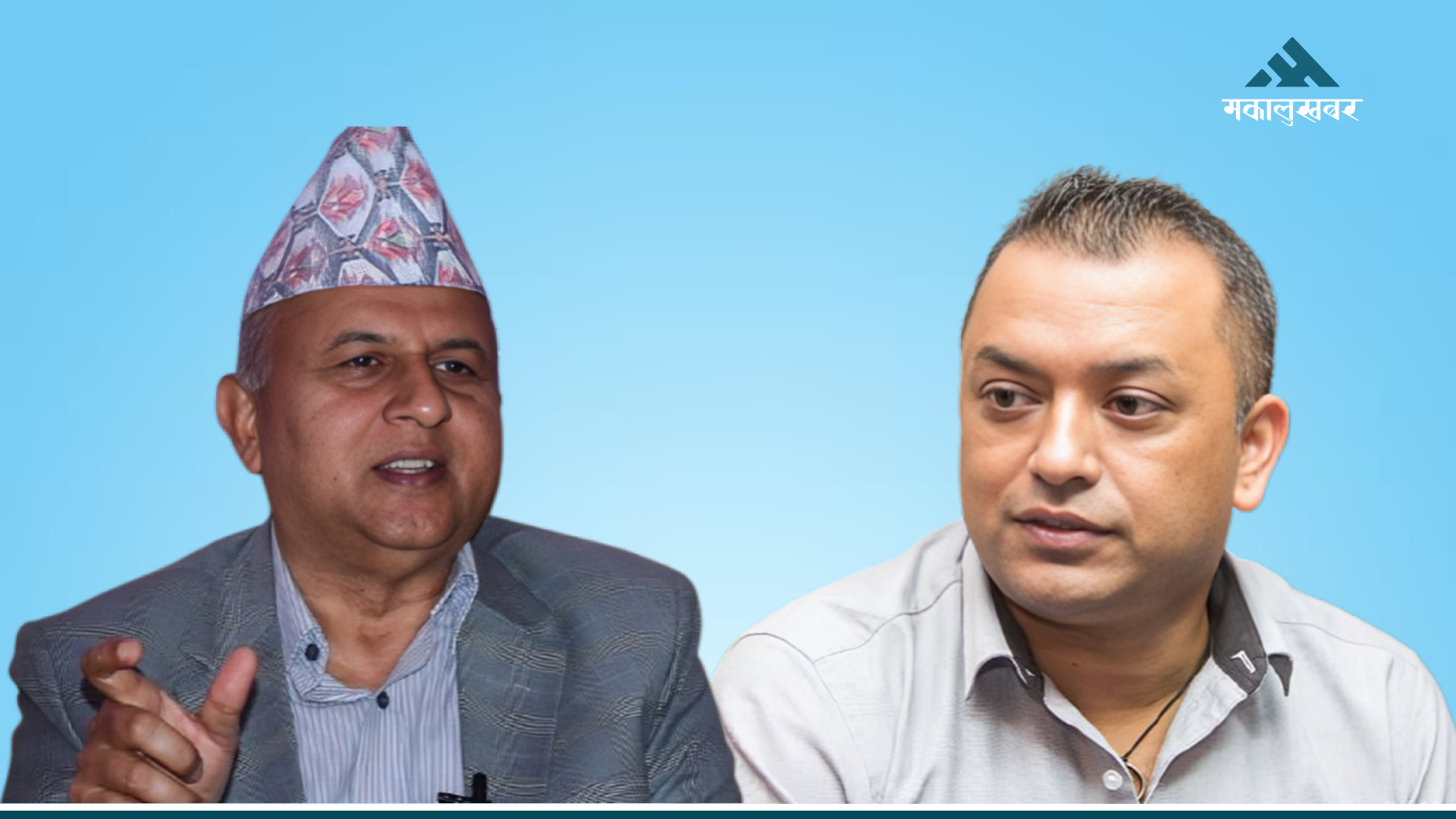
KATHMANDU: A heated exchange has erupted between influential leaders of Nepal’s two major political parties, the Nepali Congress (NC) and the CPN-UML, highlighting growing tensions over leadership style and national responsibility.
During a speech at the Nepali Congress’s special convention on Sunday, Congress General Secretary Gagan Thapa asserted the party’s culture of free expression while taking a sharp dig at the UML.
Thapa remarked, “Congress is not a party of slaves or corpses; it is a party of living people. Here, questions do not die.”
The comment, particularly the use of “slaves and corpses,” drew a swift and forceful response from UML General Secretary Shankar Pokharel, who took to social media to counter Thapa’s statement in both philosophical and political terms.
Pokharel criticized those celebrating festivities while the country faces crises, arguing that calling such critics “slaves” reflects a distorted perspective. He stated, “Those who cannot celebrate in the midst of a burning country may seem like ‘slaves’ to some. But these so-called slaves could, in fact, be today’s Spartacus.”
He further explained that these “Spartacus” figures carry the banner of freedom, independence, and national pride, laying the foundation for a new global order in modern times.
The reference to Spartacus is deeply symbolic in leftist political discourse. Spartacus, a gladiator and slave in the Roman Empire, led a major revolt against slavery in 73 BCE. Karl Marx hailed him as one of history’s greatest figures and a true representative of the proletariat.
By invoking Spartacus, Pokharel positioned his party as standing against complacency and cowardice in the face of national crises, contrasting it with what he implied was Congress’s passive or celebratory stance. He added, “Bowing before destruction, anarchy, and terror is cowardice; standing up to them and uplifting the people’s morale is courage.”
The verbal sparring between these two senior leaders underscores the deepening ideological and political fault lines in Nepal’s contemporary political landscape, as parties position themselves ahead of crucial national debates.