Thapa pledges five-year oerhaul of Nepal’s infrastructure
He outlined a clear roadmap to revolutionize the infrastructure sector over the next five years.

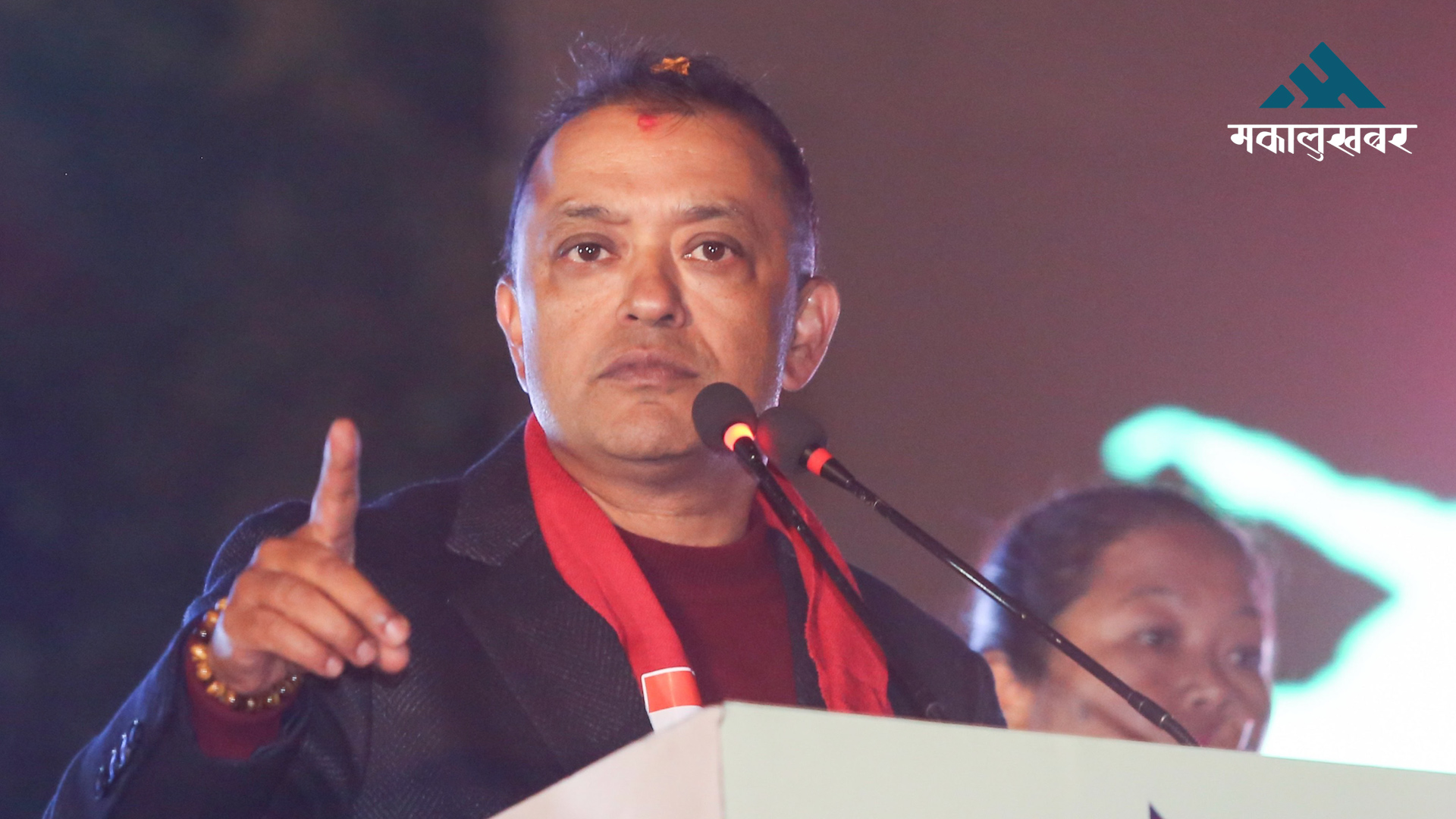
KATHMANDU: Nepali Congress President Gagan Kumar Thapa has attributed the slow pace of Nepal’s infrastructure development not merely to surface-level issues but to deep-rooted systemic problems.
Addressing the challenges in a video message shared on social media, Thapa criticized the traditional “quick-fix” methods—such as giving orders, intimidating contractors, or scolding staff—saying they cannot accelerate development.
He outlined a clear roadmap to revolutionize the infrastructure sector over the next five years.
Highlighting the stalled progress of major national projects like the Narayangadh–Butwal road section, the East–West Highway, and the Melamchi Water Supply Project, Thapa emphasized that conventional approaches no longer work.
He described how large projects remain incomplete for years and city roads repeatedly dug up for overlapping utilities as a “development paradox.”
“The repeated cycle of building roads, digging for water pipelines, then again for sewage and underground cables not only raises costs but also makes the country lose major opportunities,” he said. Drawing from his long tenure in parliament, parliamentary committees, and ministries, Thapa claimed first-hand knowledge of the sector’s chronic problems.
“Occasional scolding of contractors or on-site instructions may win applause, but they don’t solve problems. Treating symptoms alone is insufficient; we must reach the root and fix it,” he added.
Legal Overhaul Needed: Three Dozen Laws to Revise
Thapa pointed to outdated legal frameworks as a key reason for delays. He highlighted that the 48-year-old Road Act and the 20-year-old Public Procurement Act fail to meet current requirements.
His studies suggest that around three dozen laws need amendments, revisions, or repeal to ensure timely completion of infrastructure projects.
He also stressed the need to eliminate political influence in project selection. Future projects will undergo mandatory cost–benefit analysis, with no room for arbitrary discretion by officials, Thapa said.
Prioritizing Time Alongside Cost
The Congress leader criticized the procurement system’s overemphasis on low bids, which often compromises quality and timeliness.
He proposed legally prioritizing the “time value of money”, allowing faster project execution to receive preference, following practices in countries like India.
He underscored the importance of good governance, including transparency and social audits, while ensuring regulatory bodies are empowered without being obstructive.
He also called for ending the trend of announcing large projects without securing funds, suggesting innovative financial tools such as monetization of public assets and the Hybrid Annuity Model (HAM) to attract investment.
Commitment to Transformation in Five Years
Thapa asserted that solutions will now come from institutional capacity and legal reforms, not temporary displays of authority or intimidation.
“If we think problems will magically disappear through quick fixes, the next five years will be wasted. I want to assure the public that within these five years, we will achieve transformational changes in the infrastructure sector,” he said.
He promised to establish systems that allow projects, which traditionally take 10–12 years, to be completed in one to two years, with quality assured.
Thapa affirmed that Nepali Congress would lead the effort to end the suffering and inconvenience citizens face due to prolonged infrastructure delays.