Sri Lanka declares two weekly holidays to conserve fuel
The move comes as escalating conflicts between Iran, Israel, and the United States create uncertainty in international oil markets.

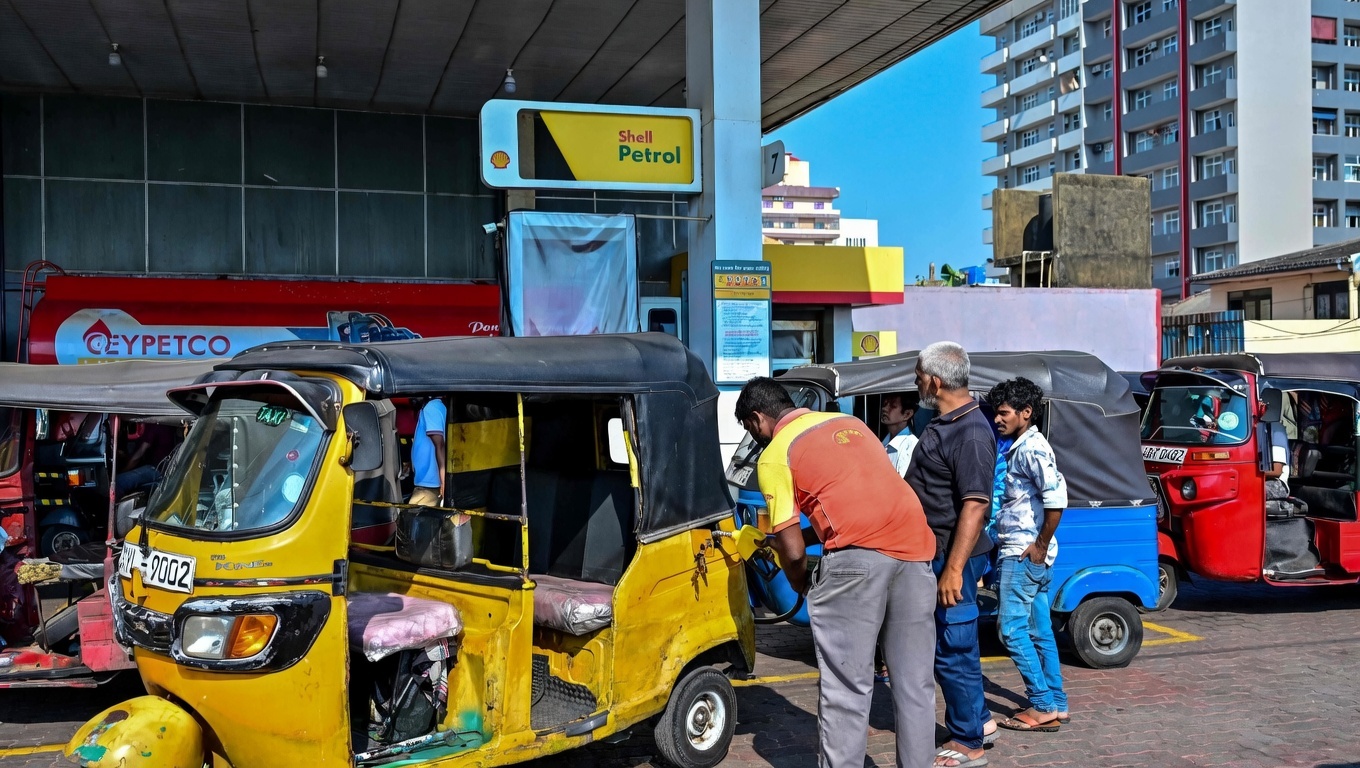
KATHMANDU: Sri Lanka has announced strict measures to conserve fuel as rising political tensions and the risk of war in the Middle East threaten global energy supplies.
The government has decided to declare every Wednesday a public holiday, aiming to reduce domestic fuel consumption.
The move comes as escalating conflicts between Iran, Israel, and the United States create uncertainty in international oil markets.
Addressing a high-level emergency meeting in Colombo on Monday, President Anura Kumar Dissanayake urged citizens to prepare for a potential crisis.
He stated, “We must be ready to face possible adverse circumstances in the future, though we remain hopeful that the situation will ease.”
Experts warn that energy security in Asia is increasingly at risk. Strategic disruptions in the Strait of Hormuz—a key passage for oil and gas from the Gulf to Asia—could impact supplies significantly.
Last year, nearly 90% of the fuel consumed by Asian nations passed through this route. Ongoing military tensions in the region have raised the likelihood of supply chain interruptions.
Crisis Management Efforts Across Asia
-
Thailand: Government offices are reducing air-conditioning loads, encouraging employees to wear light, short-sleeved clothing instead of formal suits.
-
Myanmar: To cut fuel use and traffic congestion, private vehicles can operate only on specific days based on license plate numbers.
-
Bangladesh: Planned nationwide load-shedding has been implemented to manage electricity demand, and universities have granted Ramadan holidays earlier than scheduled.
-
Philippines: Employees must work from home at least one day per week. President Ferdinand Marcos Jr. has banned unnecessary foreign trips by government officials and introduced cash assistance for low-income tricycle drivers and farmers.
-
Vietnam: Citizens are urged to use bicycles, carpooling, or public transport instead of private vehicles.
Energy-import-dependent Asian economies are expected to face higher inflation and increased transportation costs as a result of the crisis.
Experts warn that prolonged Middle East conflicts could make daily life more challenging and severely impact the economic growth of developing nations.