Rudraksha farming becomes major income source for Bhojpur farmers
In Dingla, a key production hub, many households have adopted rudraksha farming as their primary livelihood.

KATHMANDU: In the hills of Bhojpur, rudraksha cultivation is emerging as a major source of income for thousands of farmers, with trade in the sacred beads generating nearly Rs 1 billion annually.
In Dingla, a key production hub, many households have adopted rudraksha farming as their primary livelihood.
Farmers here report earnings ranging from Rs 100,000 to as much as Rs 5 million a year, depending on yield and quality.
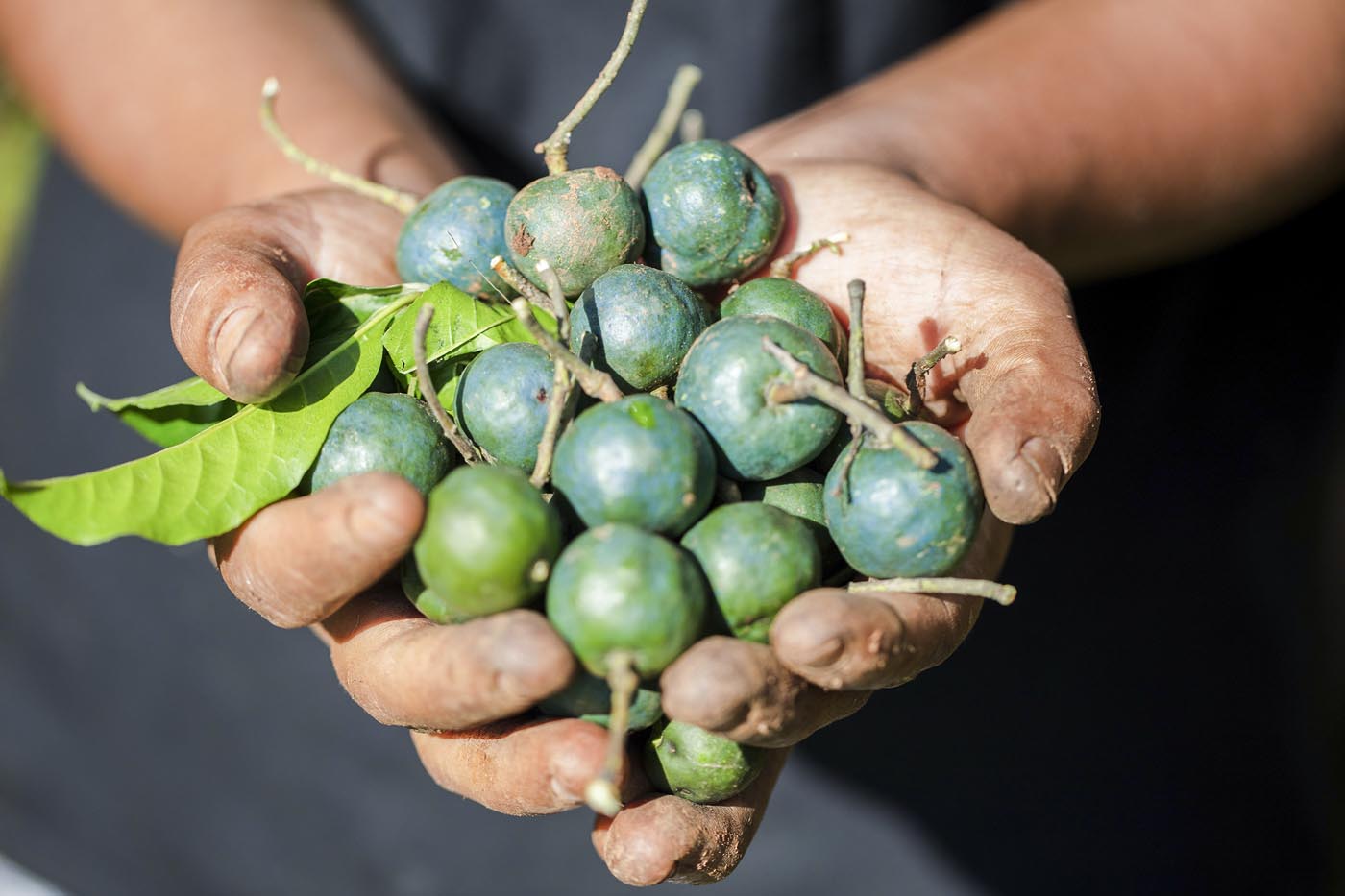
According to Manoj Chapagain, president of the Rudraksha Entrepreneurs’ Association, the value of the crop depends largely on its rarity. Beads with more “mukhi” – the natural lines or facets on their surface – are considered more valuable.
“A well-sized 21-mukhi rudraksha can sell for between Rs 5.5 million and Rs 6 million per piece,” Chapagain said, adding that rare varieties, such as a recently harvested 29-mukhi bead in Dingla, can fetch even higher prices.
Rudraksha beads typically range from eight to 29 mukhi. Traders say the higher the number of facets, the rarer and more expensive the bead.
Demand for high-quality Nepali rudraksha extends beyond domestic markets. Last year, Bhojpur exported around 2.1 million kilograms of rudraksha, with about 600,000 kilograms going to China and the remainder to India.
Interest is also growing in Europe and the United States.
In Dingla, Chinese traders are known to visit farmers’ homes directly to purchase the beads.
However, initial trading hubs remain in nearby Sankhuwasabha district, particularly in Khandbari and Tumlingtar, from where the products are distributed to Kathmandu, the Tarai region, and international markets.
An estimated 30,000 to 40,000 farmers in Bhojpur are directly or indirectly involved in rudraksha cultivation.
The crop also carries deep religious significance.
Revered in Hinduism and associated with Lord Shiva, rudraksha beads are widely used in prayer rituals and meditation.
Naturally formed beads with clear lines and minimal defects command the highest prices.
Historically, rudraksha farming in Bhojpur dates back to the early 20th century.
It is believed that Balaguru Shadananda Adhikari introduced the plant to Dingla from Varanasi, India, before 1932 BS, after which cultivation gradually expanded across the region.
Despite its profitability, farmers face growing challenges, including theft of high-value beads and damage to trees.
Locals say better protection measures and improved market management could further strengthen the sector.