RSP–Ujyalo Nepal alliance collapses after 12 days
Following the split, both sides have traded sharp accusations, with each blaming the other for betrayal and arrogance.

KATHMANDU: The much-publicized political alliance between the Rastriya Swatantra Party (RSP) and the Ujyalo Nepal Party has collapsed just 12 days after it was formally announced, sending ripples through Nepal’s alternative political landscape.
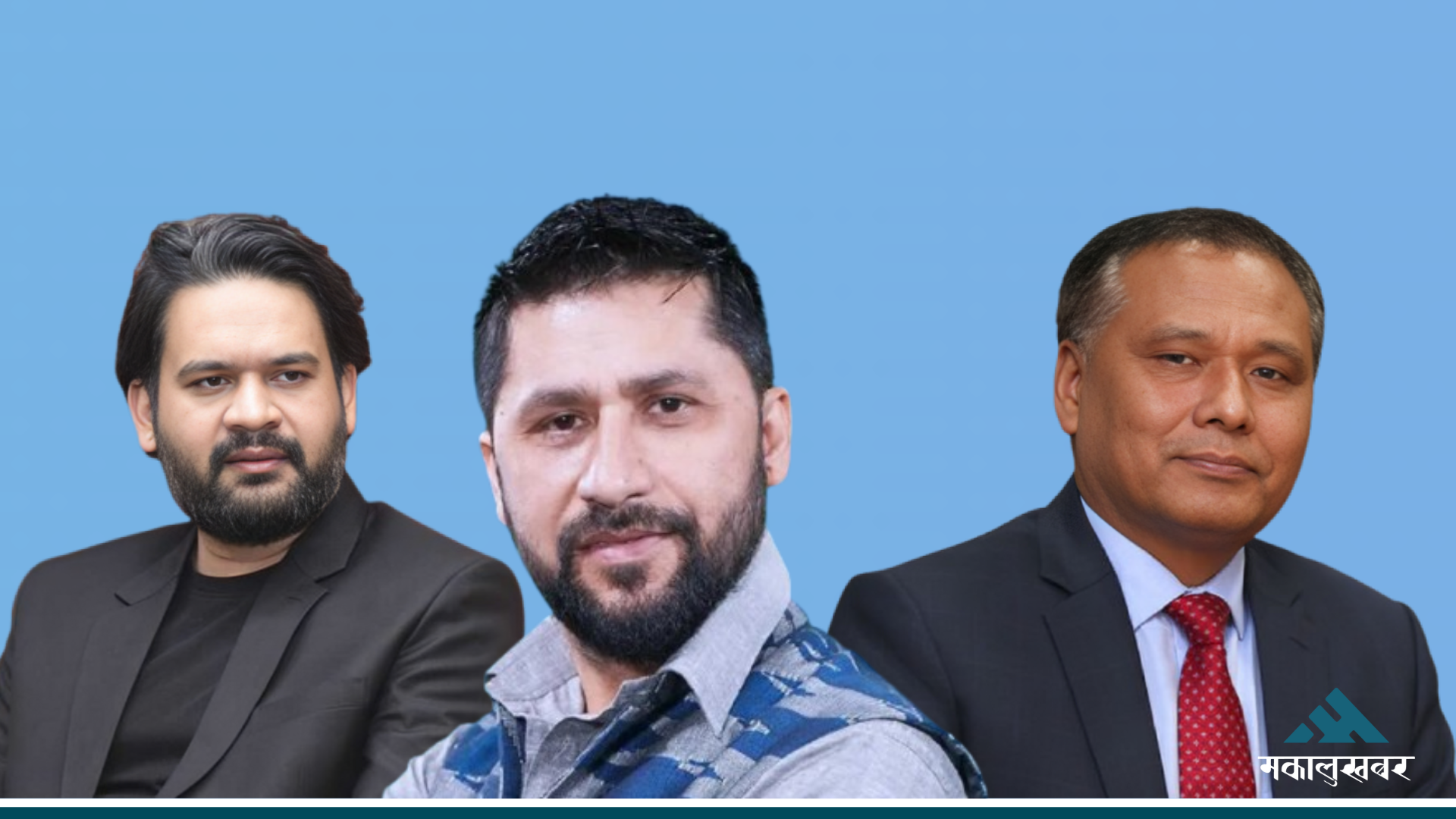
The seven-point unity agreement, signed with fanfare on 14 Poush, was officially annulled on Saturday after intense negotiations between RSP President Rabi Lamichhane and Ujyalo Nepal leader Kulman Ghising failed to produce a breakthrough.
Following the split, both sides have traded sharp accusations, with each blaming the other for betrayal and arrogance.
RSP Blames “Excessive Ambition”
RSP leaders claim the alliance fell apart due to what they described as Ghising’s “unusual ambition” and constant bargaining. Briefing the party’s secretariat meeting, President Lamichhane said Ghising repeatedly introduced new demands.
“Every day, new conditions were placed—sometimes demanding the position of senior vice-chair and general secretary, sometimes insisting on 30 seats in the central committee and direct election tickets for his nominees. When demands extended to changing the party’s name and ideology, cooperation became impossible,” Lamichhane said.
According to RSP, Lamichhane had proposed a power-sharing framework in which he would lead the party, Kathmandu Mayor Balen Shah would be positioned as a future prime ministerial candidate, and Ghising would take charge of infrastructure and development. The proposal, RSP claims, was rejected outright.
Ghising Accuses RSP of “Using and Dumping”
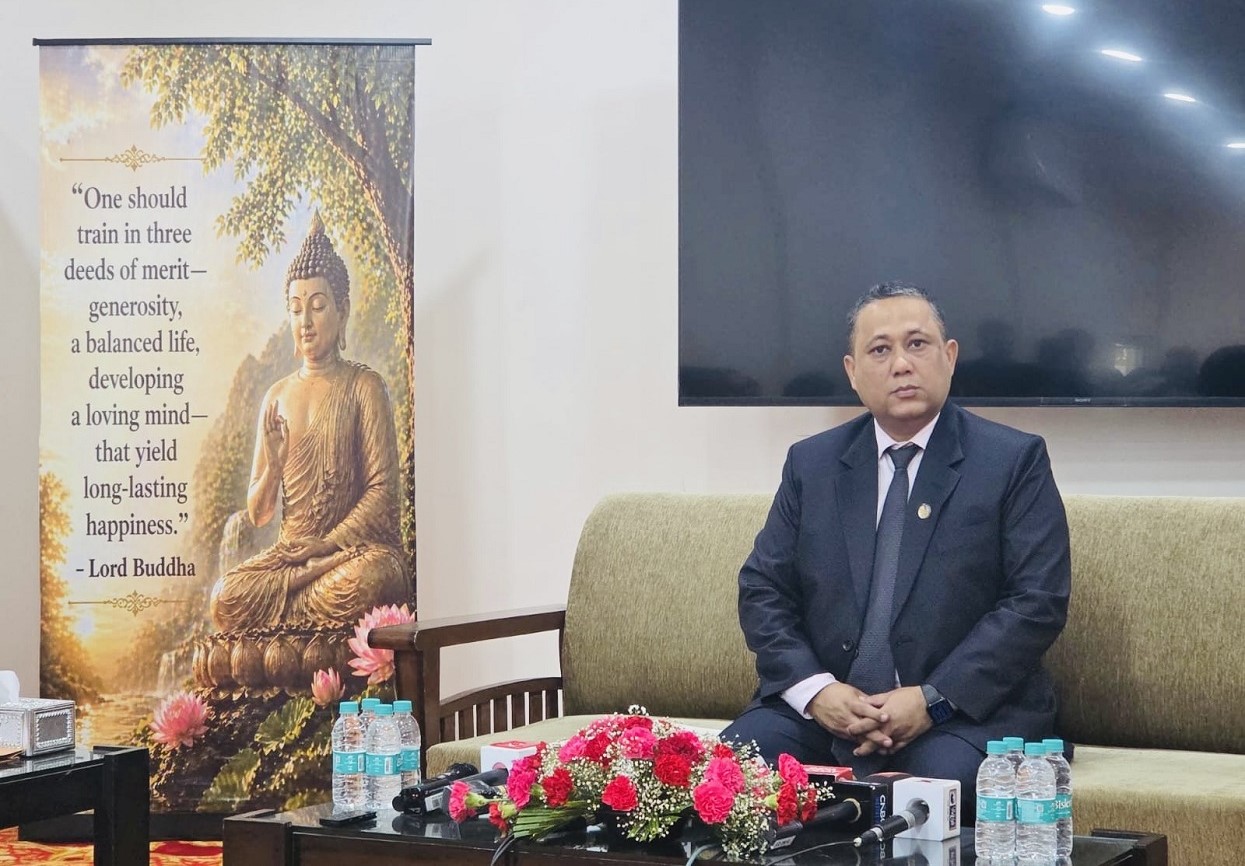
Kulman Ghising, who was immediately appointed chair of the Ujyalo Nepal Party after the split, strongly rejected RSP’s narrative.
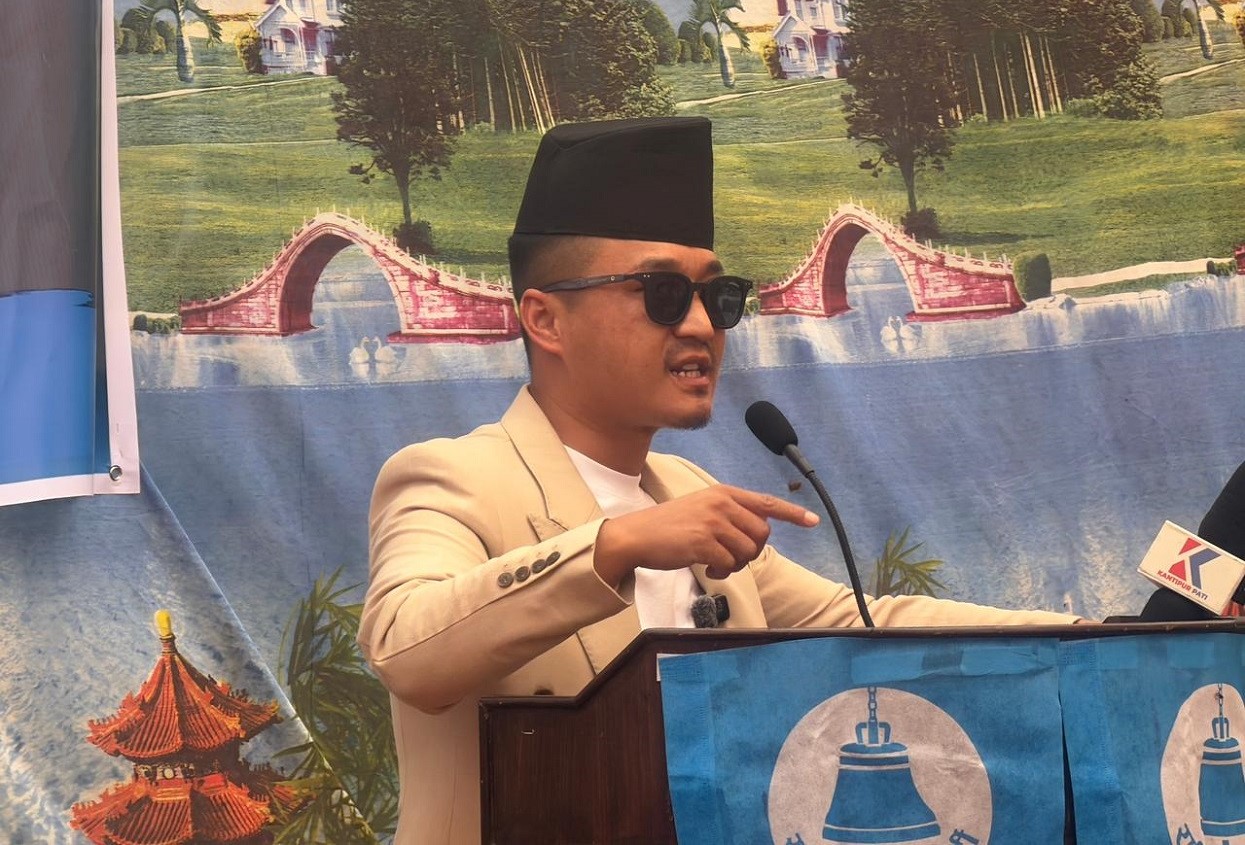
Addressing a press conference, he accused RSP of exploiting his party solely for proportional representation lists and abandoning the unity process once those objectives were met.
“We wanted unconditional unity in the spirit of the Gen Z movement. Instead, we were deliberately stalled until the proportional list submission deadline passed. Now the agreement has been unilaterally scrapped,” Ghising said, calling the past 12 days “extremely painful.”
He further alleged that RSP backtracked on commitments related to constitutional values, federalism, and inclusion. Ghising expressed concern over the political future of 18 candidates from his party who were included in RSP’s closed list.
“I never asked for a big position. But when we raised concerns about process and institutional discipline, we were sidelined,” he said.
Ujyalo Nepal to Contest Elections Independently
With the alliance formally dissolved, Ujyalo Nepal Party has decided to contest the upcoming elections independently.
An emergency meeting held on Saturday resolved to field candidates in all 165 constituencies nationwide and accelerate organizational expansion.
The breakdown between two forces that had united under slogans of good governance, meritocracy, and zero tolerance for corruption has caused significant turbulence in Nepal’s alternative political movement.
Leaders of Ujyalo Nepal alleged that activists, including Sudhan Gurung, had forcibly engineered the unity and accused RSP of adopting a “use-and-throw” strategy.
Notably, Ghising had resigned from his ministerial post just days earlier, announcing his full-time entry into active politics.
The latest developments are expected to significantly reshape electoral equations ahead of the upcoming polls.