Probe finds human error behind Saurya Airlines crash
CCTV footage showed that after taking off from the airport, the aircraft veered from the main runway toward Koteshwar, then made a 180-degree turn before accelerating its engines—moments before it crashed.

KATHMANDU: A government investigation has concluded that the recent Saurya Airlines crash was caused by human error rather than technical failure.
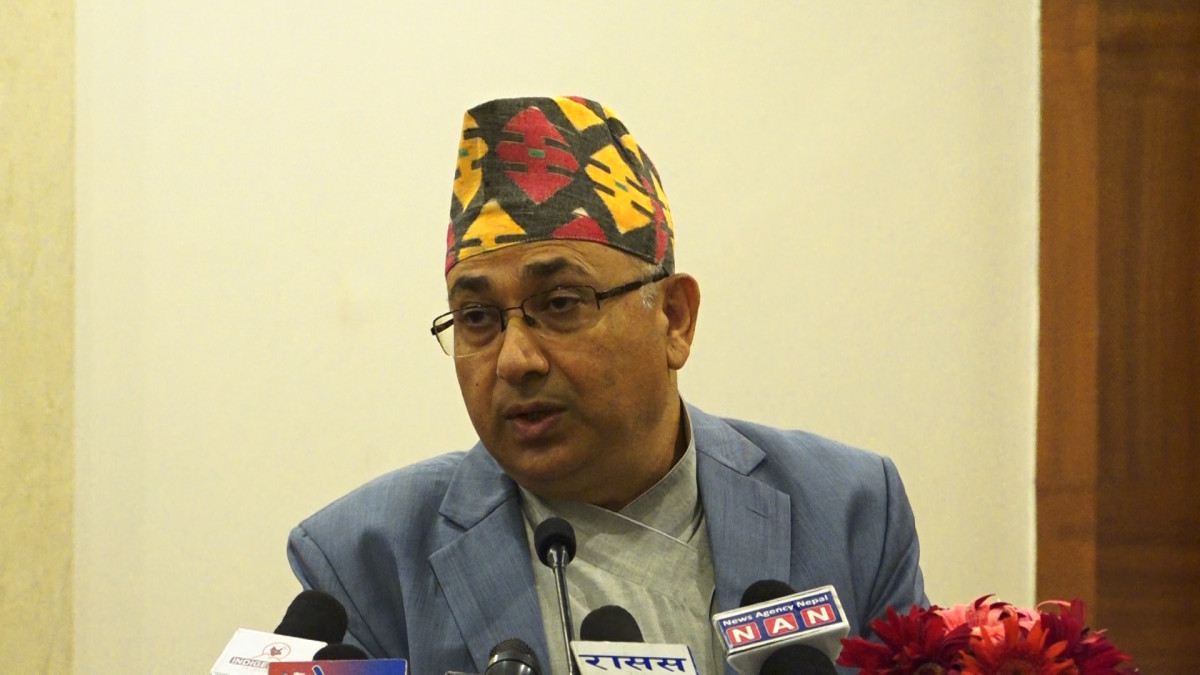
The high-level probe commission, formed by the government and led by former Director General of the Civil Aviation Authority of Nepal (CAAN) Ratis Lal Suman, presented its findings to the House of Representatives’ International Relations and Tourism Committee today.
According to Suman, the investigation focused extensively on “human factors” and safety management systems.
CCTV footage showed that after taking off from the airport, the aircraft veered from the main runway toward Koteshwar, then made a 180-degree turn before accelerating its engines—moments before it crashed.
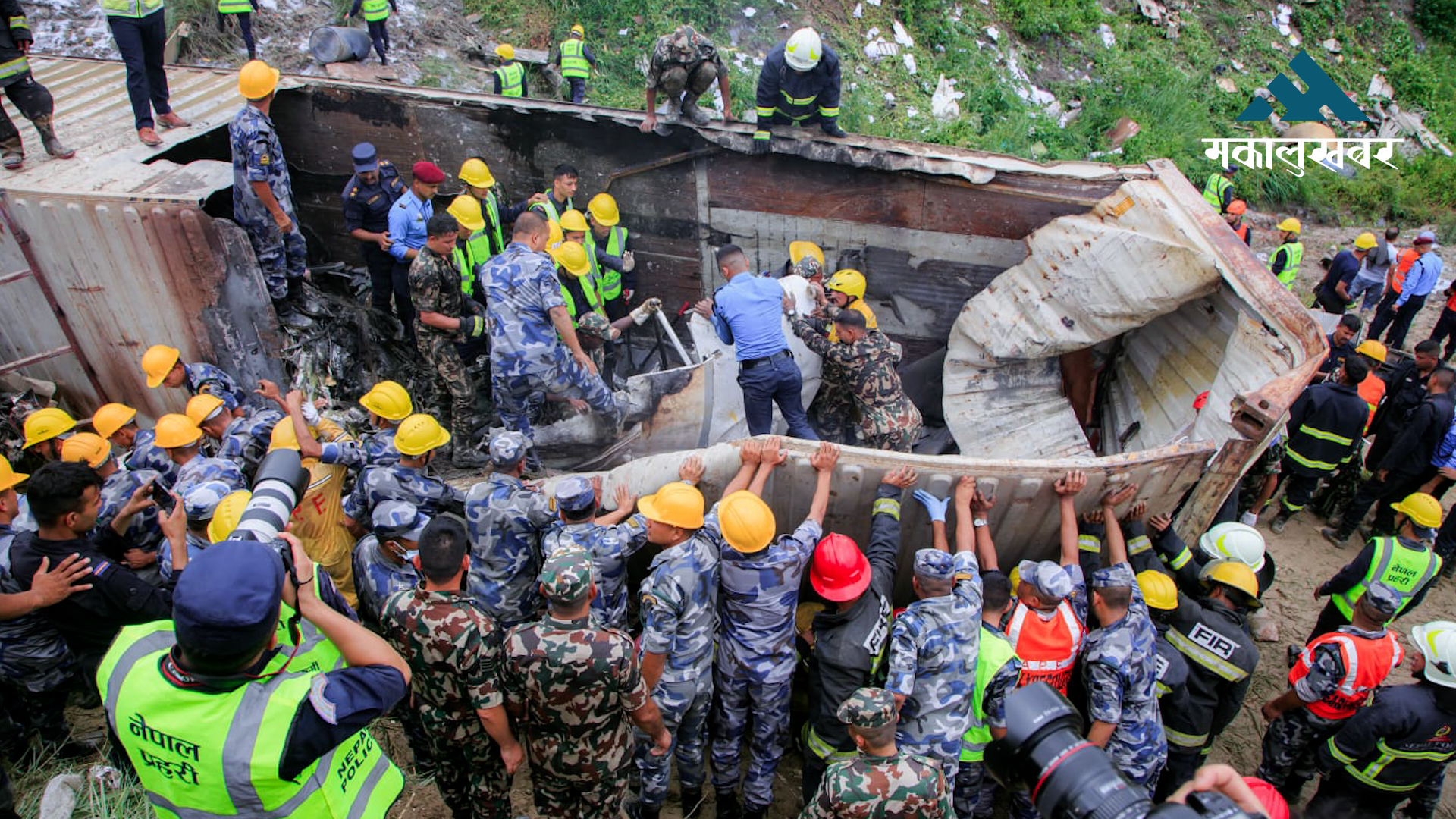
Of the 19 people on board, only the captain survived; 18 others died on the spot. The captain was critically injured.
The co-pilot, who had begun his career with the same aircraft type, had logged 1,824 total flight hours—1,602 of them on this aircraft.
Investigators found no signs of fatigue, and flight duty records showed that neither pilot had exceeded regulatory limits of 100 hours per month or 1,000 hours per year.
The ill-fated aircraft, manufactured in Canada in 2003, was powered by two engines and operating in clear weather at the time of the crash.
Investigators found no technical faults or system malfunctions.
The report also noted that many passengers were not wearing seatbelts.
While firefighters reached the crash site within 40 seconds, rescue operations were delayed due to uneven terrain and the lack of a proper access road, forcing emergency crews to approach from a nearby hilltop.