Private sector still lacks confidence to invest: FNCCI President Dhakal
He said issues related to the protection of the private sector remain largely neglected, and that there is still no guarantee that businesses can operate freely and without obstruction.

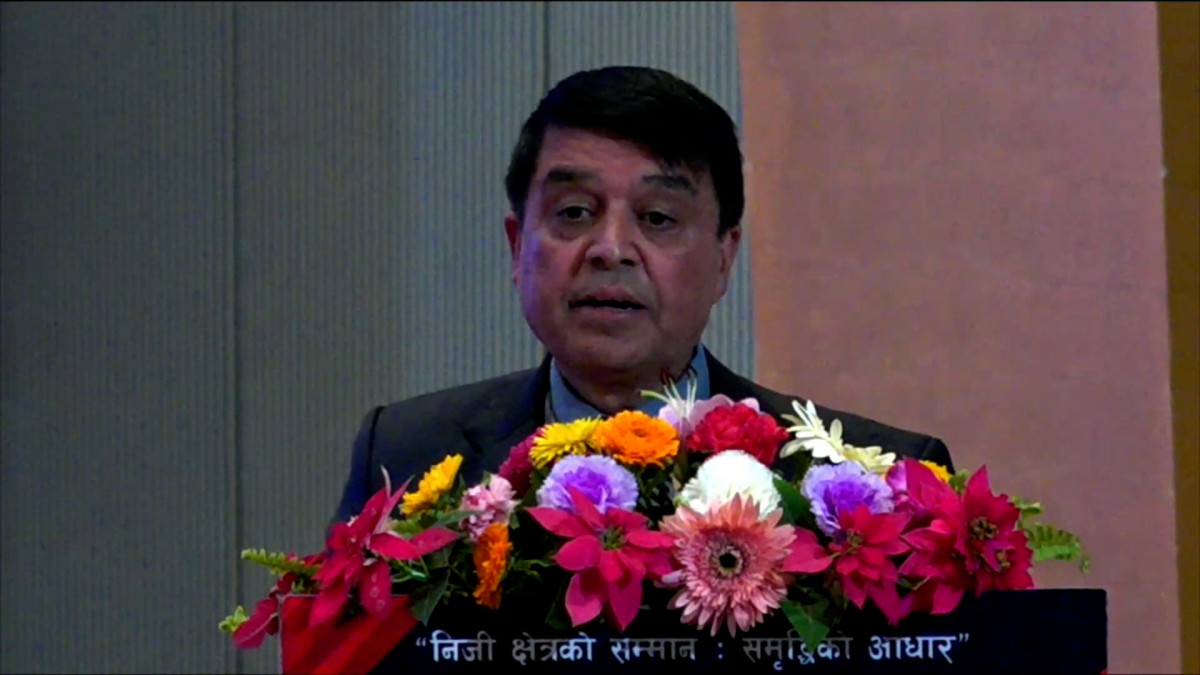
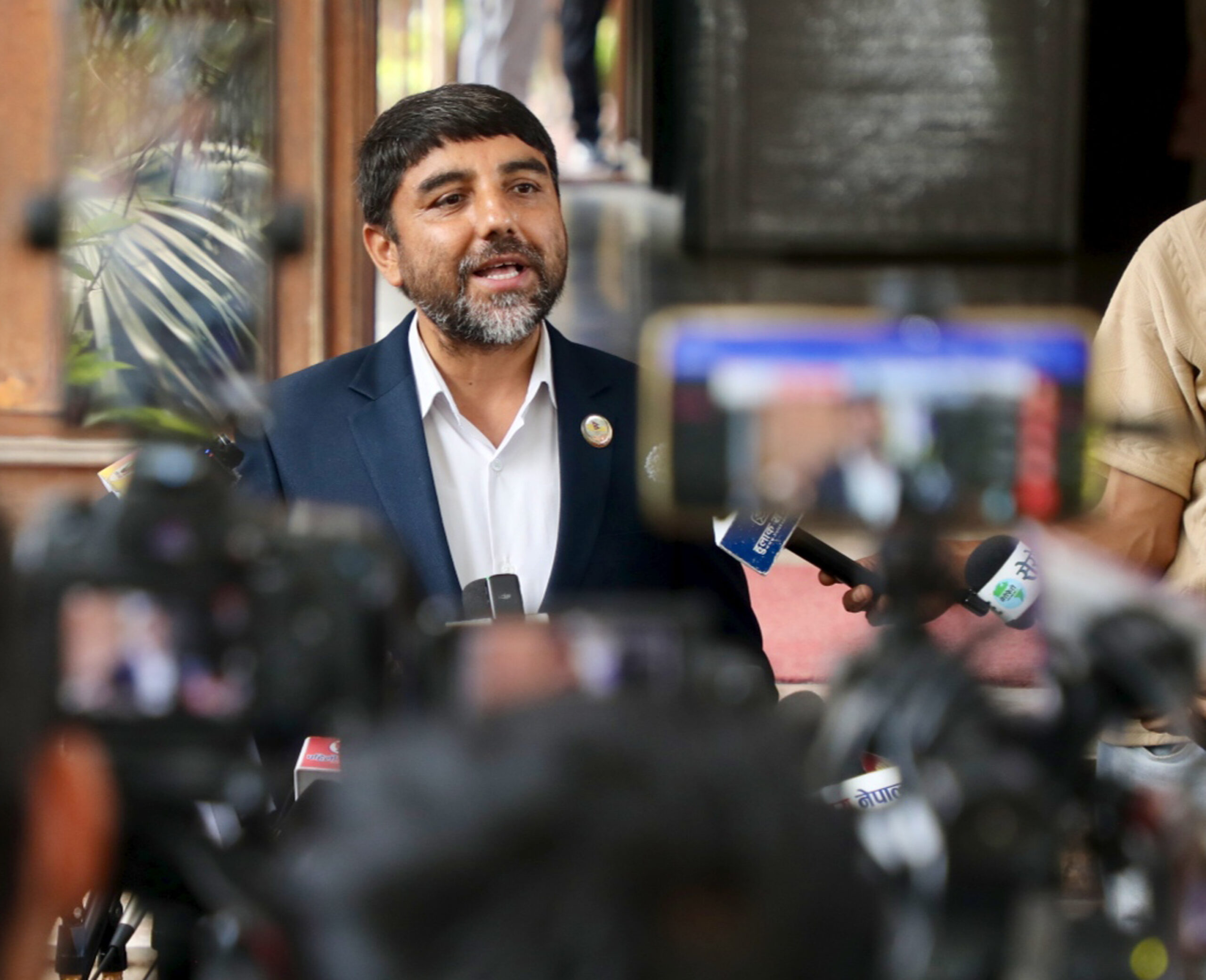
KATHMANDU: President of the Federation of Nepalese Chambers of Commerce and Industry (FNCCI), Chandra Prasad Dhakal, has stated that Nepal’s private sector is still not in a position to invest with confidence, citing an unfavourable investment climate, policy uncertainty and lack of security for businesses.
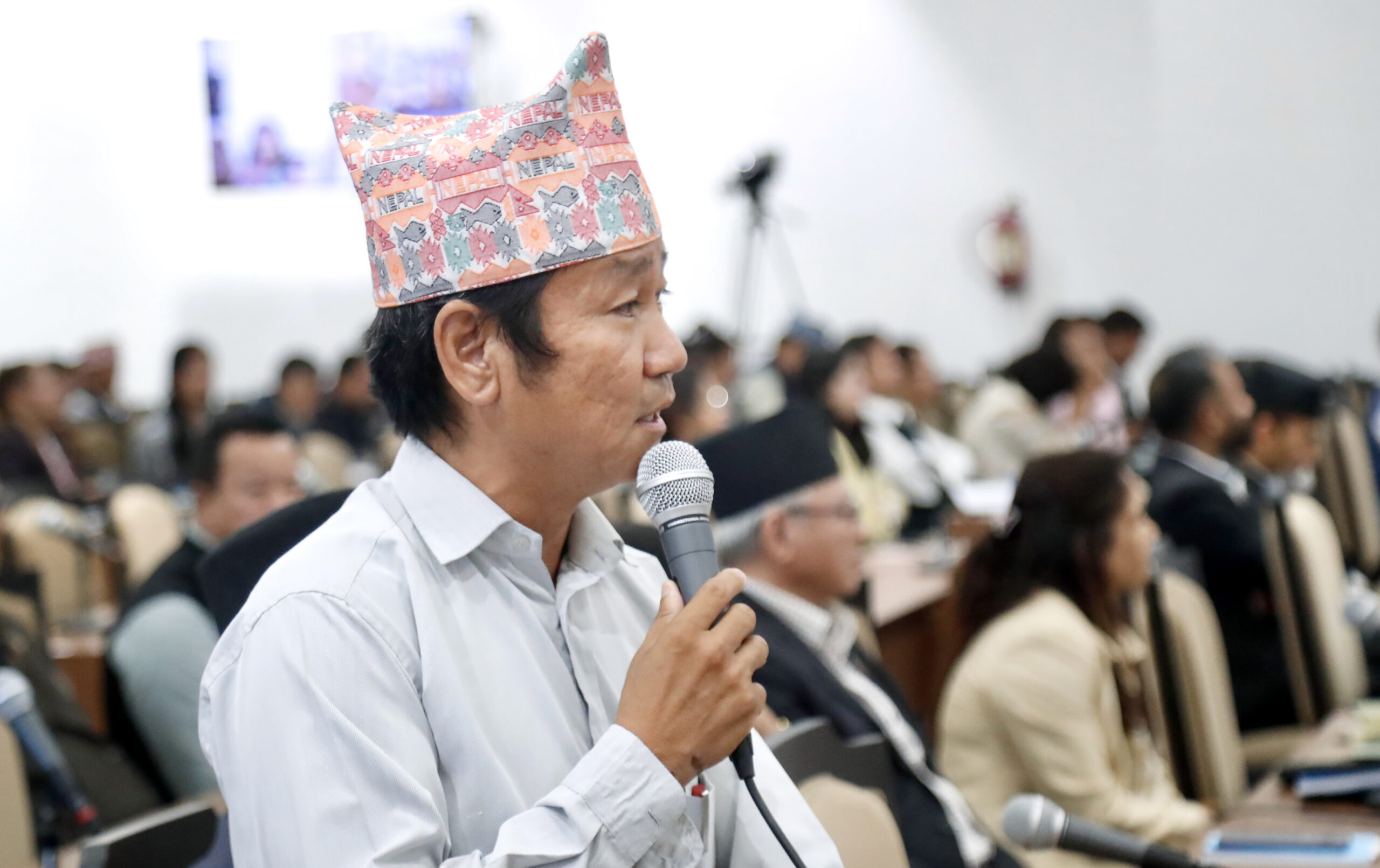
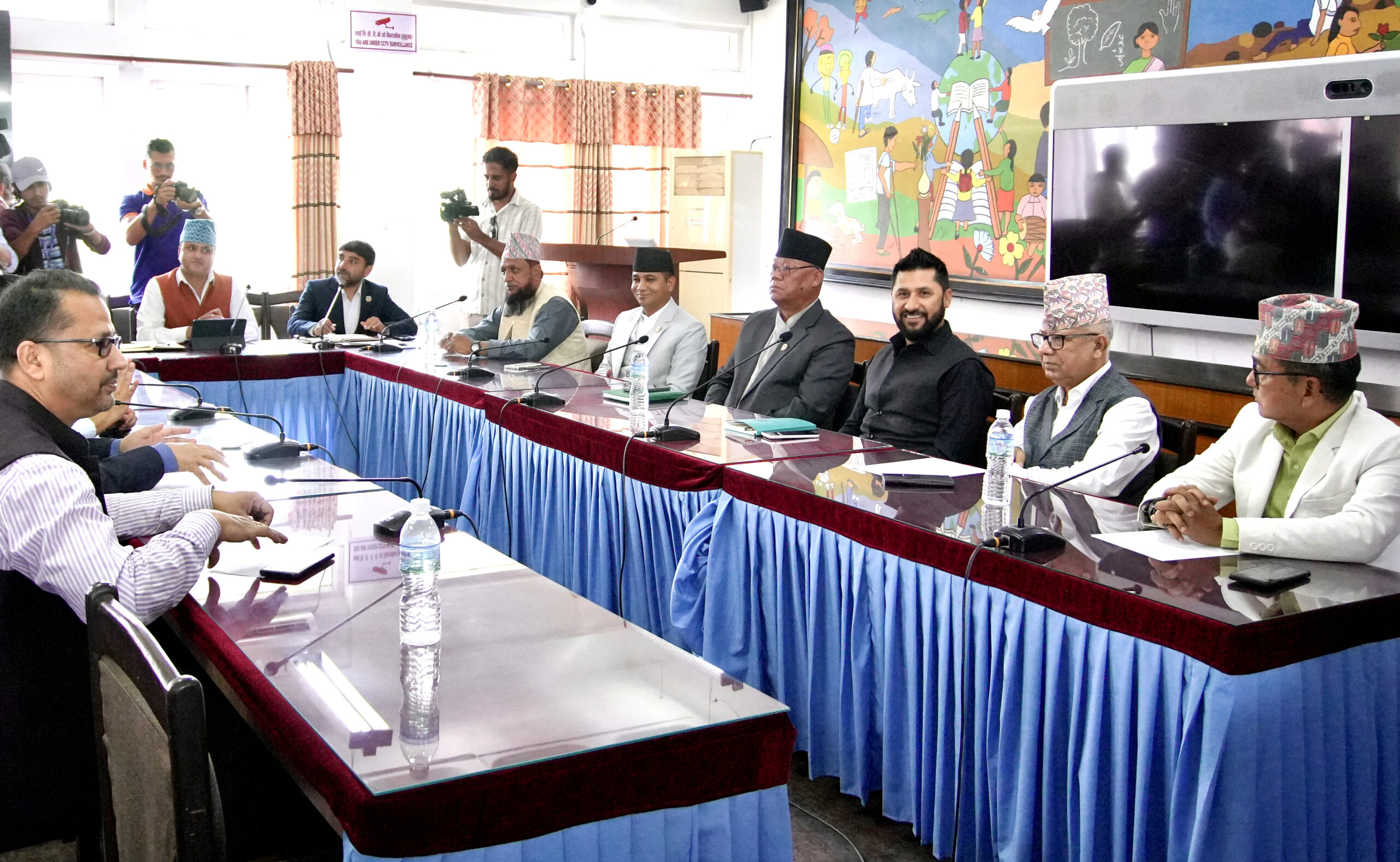
Speaking on Wednesday at the FNCCI-organised programme “Cooperation and Collective Efforts for Peace, Stability and Prosperity,” Dhakal urged the government to urgently create a business-friendly environment.
He said issues related to the protection of the private sector remain largely neglected, and that there is still no guarantee that businesses can operate freely and without obstruction.
Dhakal warned that failure to take action against wrongdoing could fuel a culture of impunity. He stressed that without clear assurances of policy stability, respect for the private sector, freedom to conduct business and protection of property rights, investment will not take place.
“Without investment, there will be no jobs. Without jobs, income levels will not rise. And without higher incomes, meaningful progress in human development is impossible,” he said. Dhakal added that increasing government revenue—essential for making education and healthcare accessible—depends on enabling and encouraging the private sector to work without hindrance.
Economy Under Strain, Investment Stalled
Highlighting the country’s economic challenges, Dhakal said the government has been facing a deficit of around Rs 150 billion over the past year and a half, while banks are ready to invest nearly Rs 1.1 trillion. However, he noted that the private sector is reluctant to borrow and invest due to prevailing uncertainty.
“As a result, even revenue is insufficient to pay salaries and allowances of government employees. Investment in infrastructure has stalled, and private sector-led infrastructure projects are often obstructed on various pretexts,” he said.
He questioned how employment generation would be possible without infrastructure development and industrial growth, and how the dream of creating jobs within the country could be realised under such conditions.
Dhakal pointed out that the government creates employment for only 3,000 to 3,500 people annually, while opportunities in the private sector are shrinking. This, he said, has forced young people to seek employment abroad.
“If Nepali youth can work in private enterprises abroad, why can’t they work in private industries and establishments in Nepal?” he asked, attributing the problem to policy barriers, complicated procedures, lack of a business-friendly environment, negative public perception of the private sector, and recent incidents of arson and vandalism.
He said these concerns prompted FNCCI to call for collective efforts towards peace, stability and prosperity, inviting stakeholders from across society to engage in dialogue.
Dhakal noted that the private sector contributes 81 percent to the national economy and 86 percent to employment, and said such public programmes aim to understand and improve societal perceptions of the private sector.
Call for Political Commitment and Stability
Dhakal emphasised the need for strong political commitment and said that holding elections on time is essential to ensure political stability and institutionalise democracy.
“If the private sector is not allowed to operate safely and with dignity, success will not be possible. And if the private sector fails, the consequences will not be limited to the present—it will affect future generations as well,” he warned.
Reflecting on Nepal’s political history, Dhakal said that despite more than half a dozen major political movements over the past 75 years, there has not been the expected improvement in people’s livelihoods.
He called on the government to officially recognise industry and business as priority sectors by endorsing and implementing a Private Sector Protection and Promotion Strategy through the Council of Ministers. Such a strategy, he said, should guarantee freedom of enterprise and respect for natural property rights.
Dhakal also stressed that there must be no environment—under any pretext—that encourages attacks on the private sector, and that impunity must not be allowed to prevail. “The right to earn a livelihood through free enterprise is a natural right of every citizen,” he said.
Pushpa Kamal Dahal: Gen Z Movement Forces Political Introspection
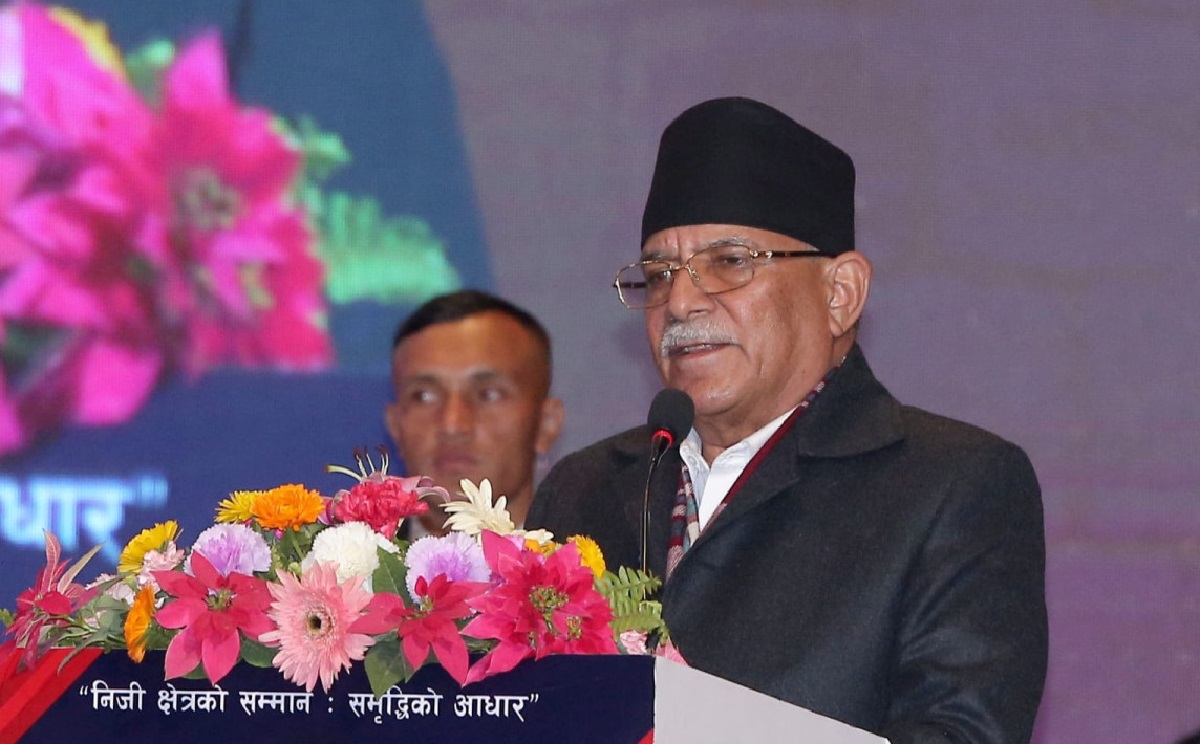
Speaking at the same programme, Nepal Communist Party coordinator Pushpa Kamal Dahal said the Gen Z movement has compelled political leadership to engage in serious self-reflection.
He said Nepali politics has reached a decisive point—either to move forward with renewed commitment and address public needs, or to step aside by admitting the loss of political relevance.
Dahal described the current situation as a rare and severe national crisis, stating that its resolution is possible only through broad-based consensus and collective resolve. He said an environment is emerging in which all political forces can move forward together.
He also said the Prime Minister has been successful in conveying the message that the country is not in uncertainty, and expressed gratitude for that leadership.
According to Dahal, both the public and political parties have now reached the conclusion that there is no alternative to elections.
“The Gen Z movement has pushed us towards self-evaluation. We must either move forward with new resolve and commitment to meet people’s needs, or accept that our relevance has ended,” he said.
Private Sector Key to Development and Prosperity
Dahal underscored the vital role of the private sector in development and prosperity, saying that Nepal cannot achieve economic progress without encouraging private enterprise. He stressed the need to change perceptions towards the private sector.
He identified peace, stability and prosperity as the country’s immediate priorities, and said completing elections and pursuing constitutional amendments through the next government would offer a long-term solution to Nepal’s challenges.