Pokhara clears Firke encroachments, launches corridor plan
The drive to clear encroachments along the stream, which flows through the heart of the city’s marketplace, had been initiated in previous administrative terms as well.

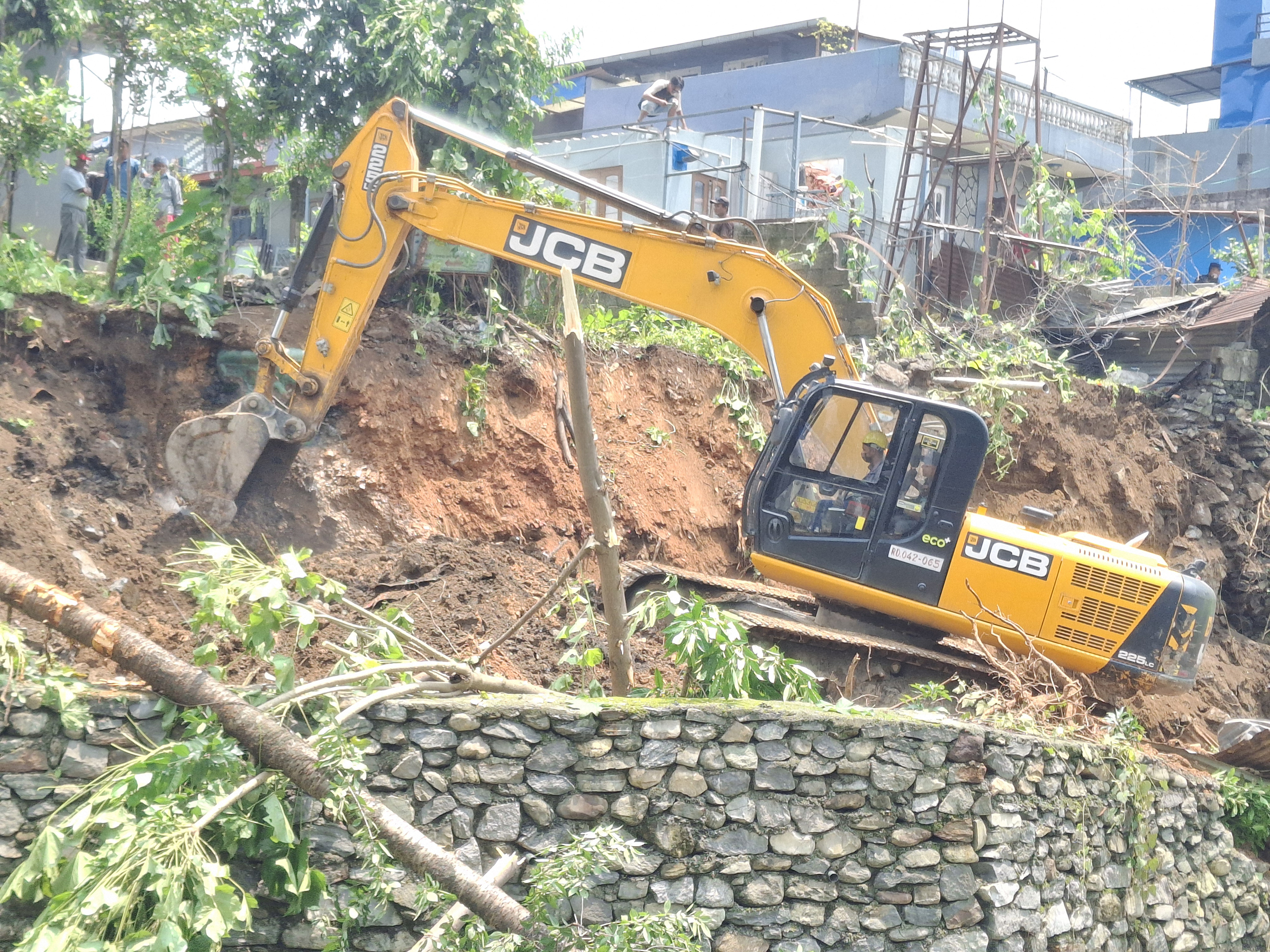
KATHMANDU: Pokhara Metropolitan City (PMC) has successfully removed long-standing encroachments from the Firke Khola area after renewed efforts supported by the federal government, marking a major step toward its planned Firke Corridor Project.
The drive to clear encroachments along the stream, which flows through the heart of the city’s marketplace, had been initiated in previous administrative terms as well.
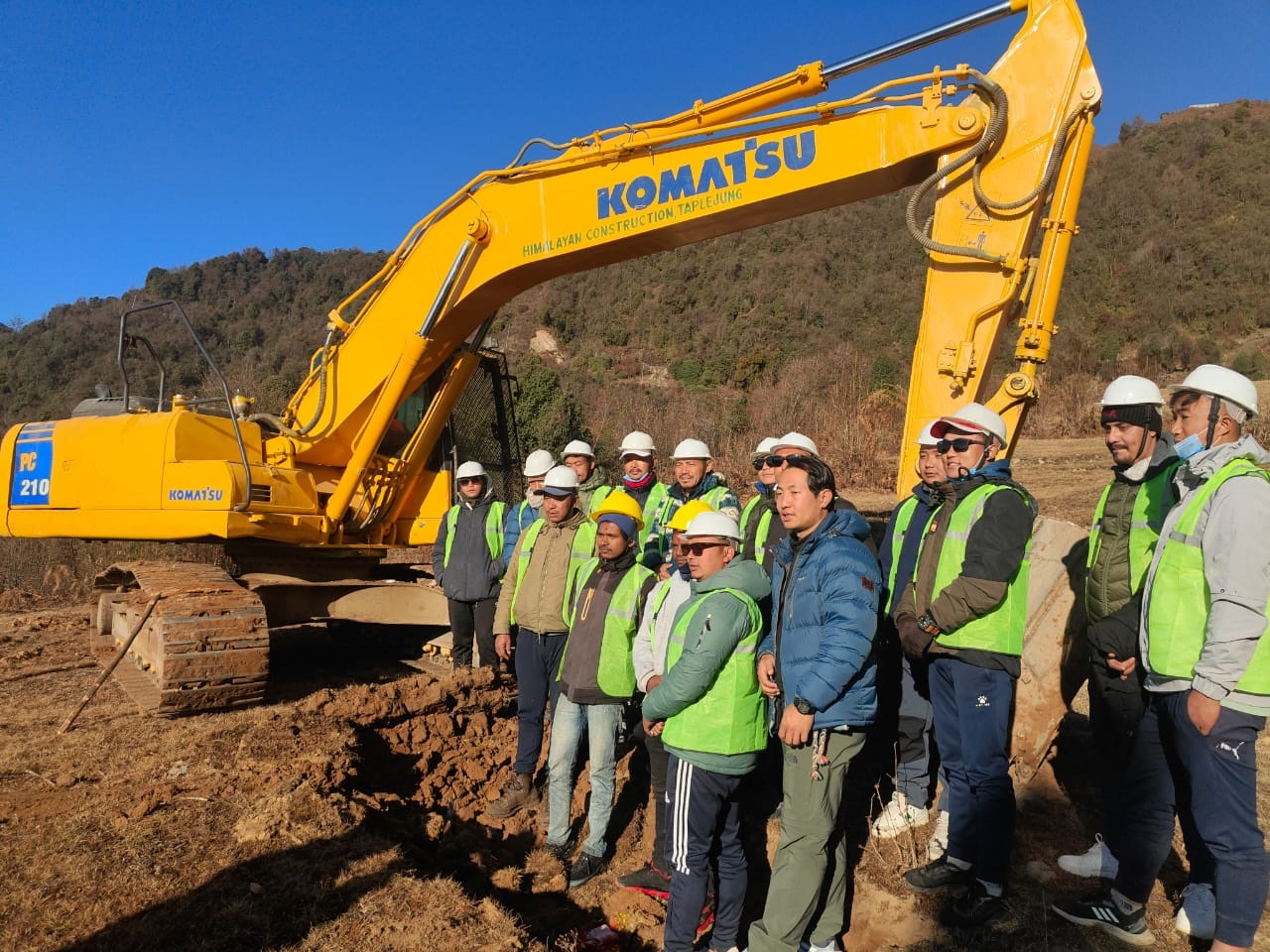
Former mayor Man Bahadur GC had even launched demolition works using excavators, but the campaign could not continue beyond its initial phase due to legal challenges and local opposition, including petitions filed in court against the Firke demarcation standards.
This time, however, the metropolitan authority resumed the operation on Sunday with strong backing from the federal government.
The first day of the clearance was completed peacefully, according to officials.
Authorities estimate that within the stream corridor area there are 35 private/individual permanent structures, 97 temporary structures, 18 institutional permanent structures, and 10 institutional temporary structures built within the encroached zone.
The city has stated that the removal campaign will continue as an ongoing initiative. Local residents have also extended cooperation during the clearance process, although concerns remain regarding the post-clearance development standards.
Residents argue that the proposed six-meter setback standard for Firke Khola is neither scientific nor practical, and have called for a more realistic and community-sensitive approach.
Following the clearance, the metropolis plans to launch the Firke Corridor Project, aimed at transforming the area into a modern urban riverfront.
The project is expected to receive support from donor agencies.
Mayor Dhanraj Acharya said the initiative aims to establish Pokhara as a “green, clean, modern, and world-class river corridor city.” He explained that the corridor will maintain at least a six-meter buffer on both sides of the stream and will include well-designed foot trails, safe cycling lanes, and dedicated morning and evening walking paths.
According to the municipality, the development will integrate environmental and aesthetic elements such as greenery belts with native plants, stone embankments, smart LED lighting, and eco-friendly open public spaces.
The corridor will also emphasize the preservation of the natural flow of Firhe Khola.
Plans further include the construction of rest areas in traditional Pokhareli style, coffee points and open cafés, selfie and viewpoint spots, small parks and seating courtyards, cultural and artistic installations, as well as child-friendly and elderly-friendly public zones.
“We aim to transform Firke Corridor into more than just a walking route—it will be a destination for lifestyle and recreation,” Mayor Acharya said, adding that it would represent a new urban identity for Pokhara where nature, infrastructure, tourism, health, environment, and community life converge.
Local resident Loknath Bhandari of Ganesh Tole welcomed the removal of encroachments but emphasized the need for a proper long-term development plan.
He stated that while locals support clearing the stream area, arbitrary application of standards on private land should be avoided, and compensation should be considered if necessary. He also stressed that a sustainable development plan must follow the demolition process.
Firke Khola stretches approximately 8 kilometers, running from Aderikuna in Ward No. 18 through Wards 2, 4, 5, 7, 8, and 17, and extending to Ward No. 6, reaching the tourist area of Fewa Lake–Gaighat.