PM Oli leads hgh-level governance reform commission meeting, discusses streamlining institutions
PM Oli instructed the Implementation Committee to submit a proposal with a report within 15 days, including options that would deliver positive outcomes in line with the commission’s objectives.

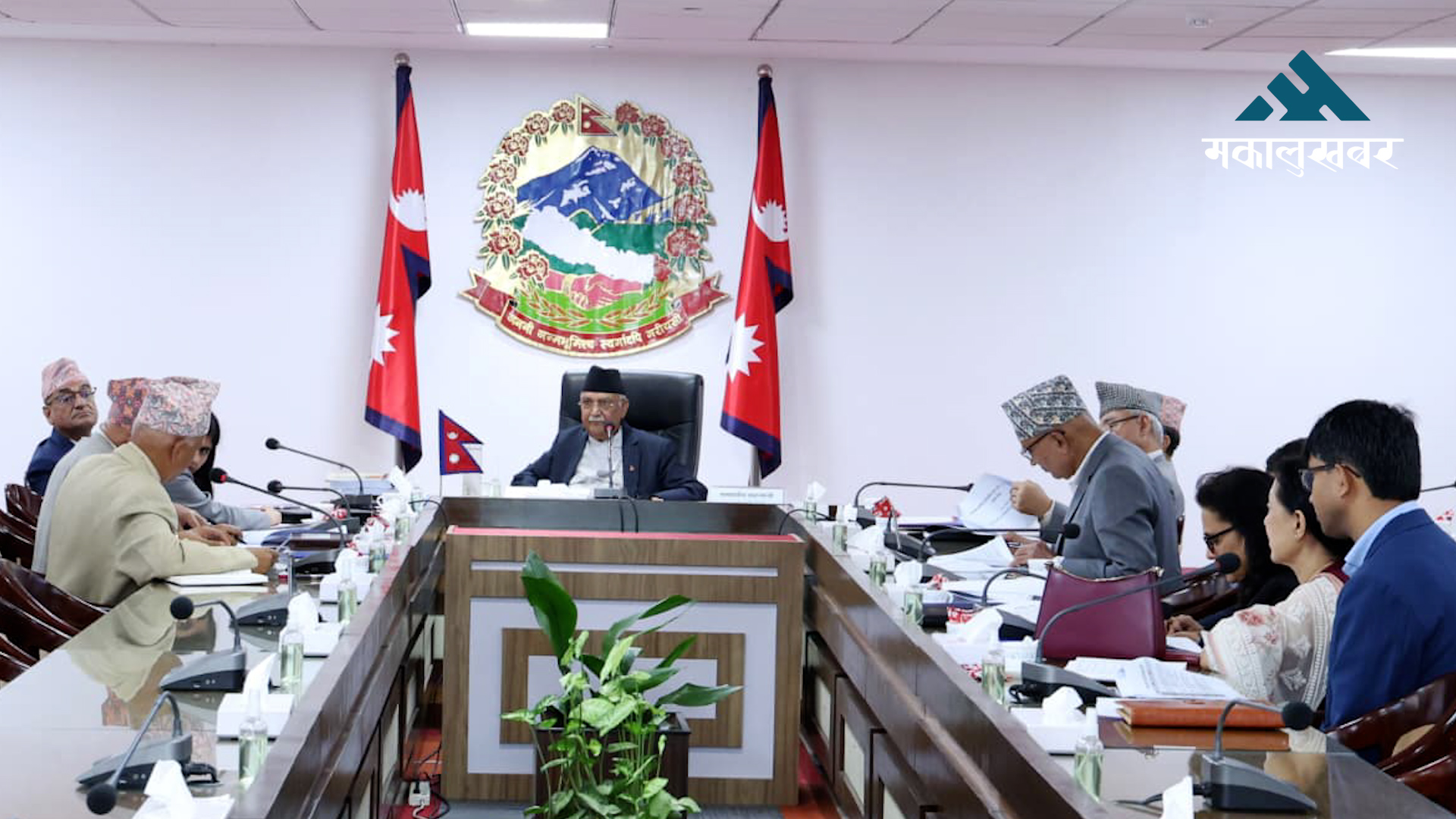
KATHMANDU: Prime Minister KP Sharma Oli, chairing the second meeting of the High-Level Governance Reform Commission today, discussed the merger, dissolution, or transfer of institutions deemed unnecessary, as well as other administrative restructuring measures.
The meeting, held at the Prime Minister’s Office, directed the Commission’s Implementation Committee to conduct a detailed study and prepare concrete proposals regarding the bodies recommended for dissolution, merger, or transfer, based on previous recommendations from various commissions and task forces.
Chairing the commission, PM Oli instructed the Implementation Committee to submit a proposal with a report within 15 days, including options that would deliver positive outcomes in line with the commission’s objectives.
The Implementation Committee is chaired by Secretary Ek Narayan Aryal.
Formed on Baisakh 8 to make public services simpler, more accessible, cost-effective, and efficient, the commission held its first meeting on Ashar 4 under PM Oli’s leadership.
The commission includes ex-officio members such as Deputy Prime Minister and Finance Minister Bishnu Prasad Paudel, Home Minister Ramesh Lekhak, Minister for Law, Justice, and Parliamentary Affairs Ajay Kumar Chaurasiya, and Minister for Federal Affairs and General Administration Bhagwati Nyaupane.
Political representatives include Nepali Congress Vice President Purna Bahadur Khadka and CPN-UML Vice Chairman Ram Bahadur Thapa, alongside three expert members.
At the meeting, the committee was also briefed on proposals to adjust the functions and mandates of federal, provincial, and local bodies, following recommendations from the Expansion, Modification, and Recommendation Committee, to be submitted to the Council of Ministers after approval by the National Coordination Council.
The commission is tasked with making service-providing bodies more citizen-friendly, streamlining decision-making, eliminating delays and duplication, and ensuring inter-level and inter-agency coordination.
It also aims to strengthen cooperation among the three tiers of government, reform administrative structures, processes, and laws to align with federalism, and identify necessary improvements to governance-related acts and regulations.
Furthermore, it seeks to enhance the capacity, morale, and accountability of civil services.