Parliament debates budget: 12 cut proposals tabled across 9 ministries

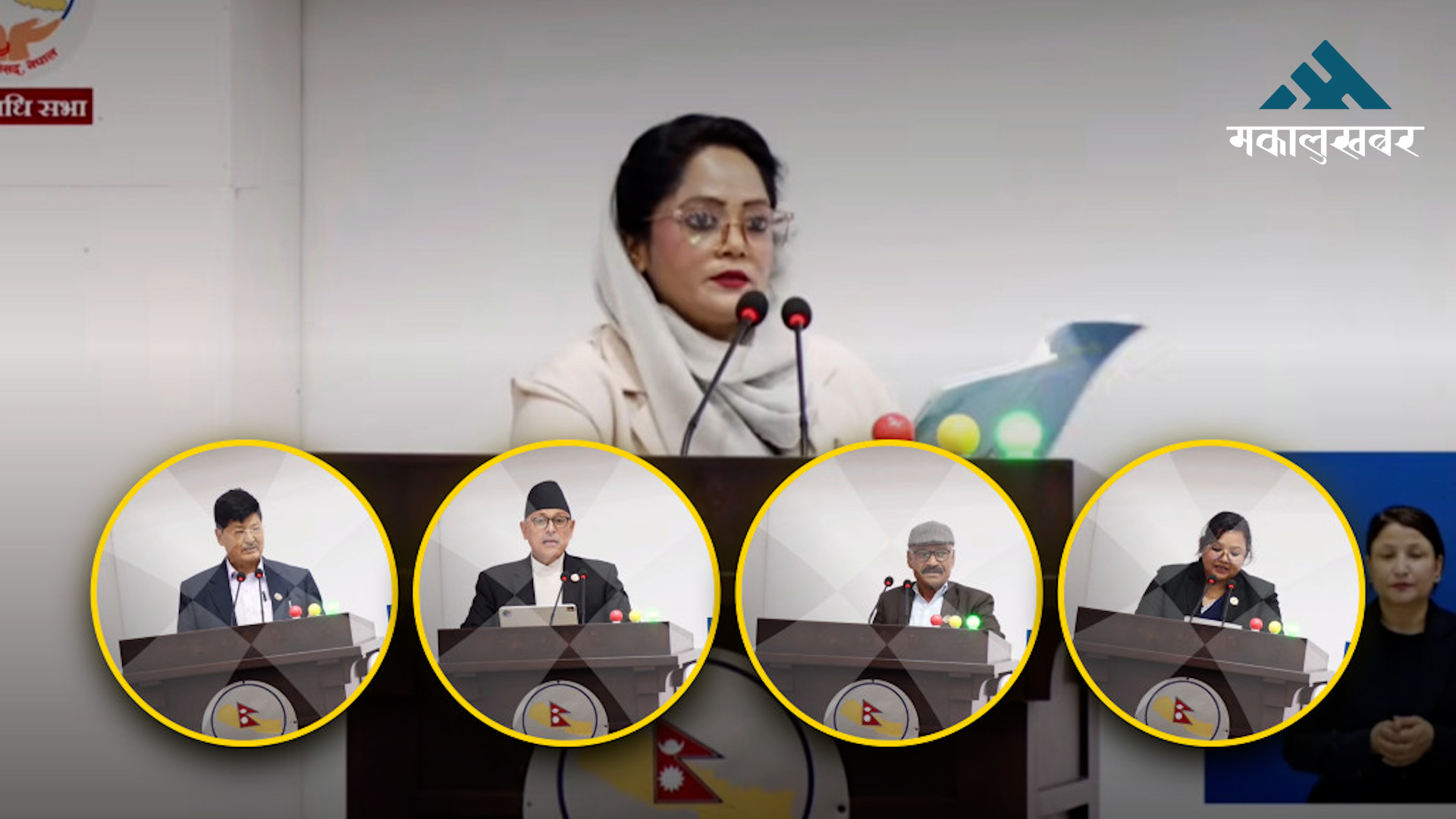
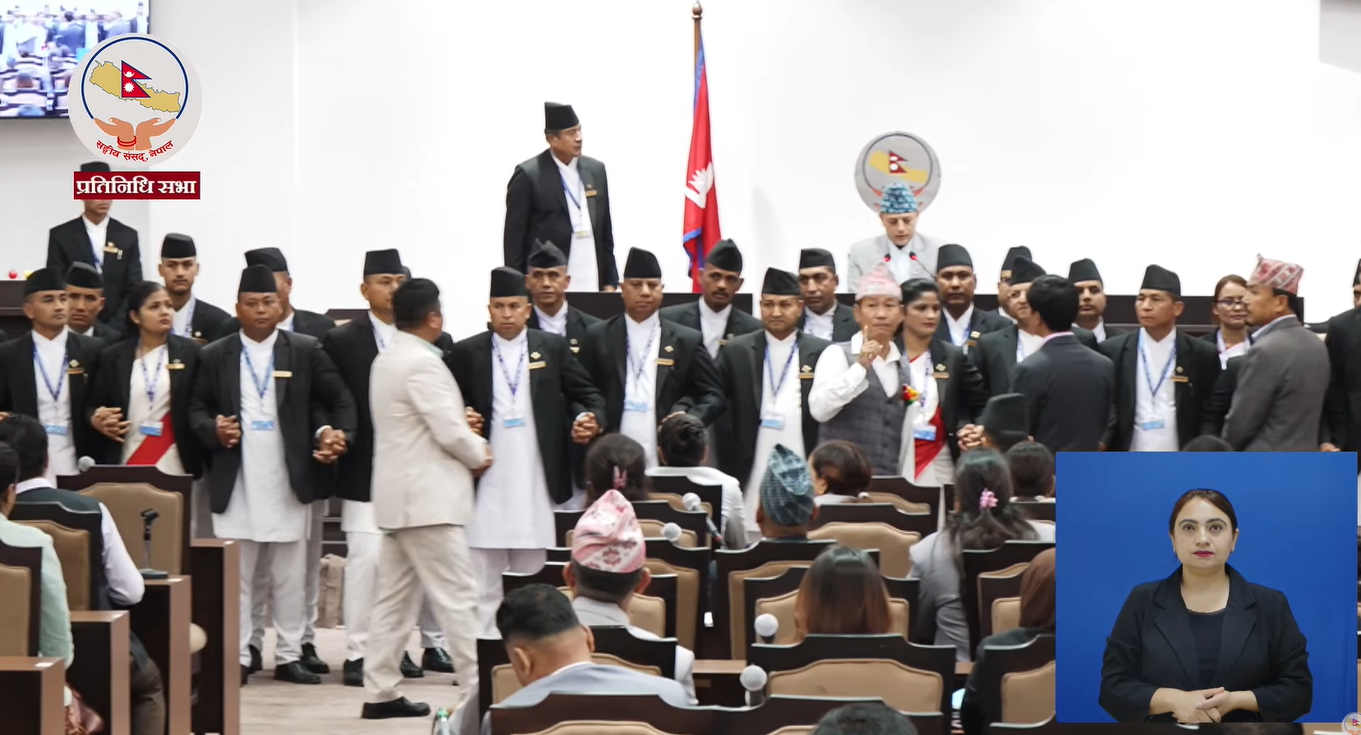
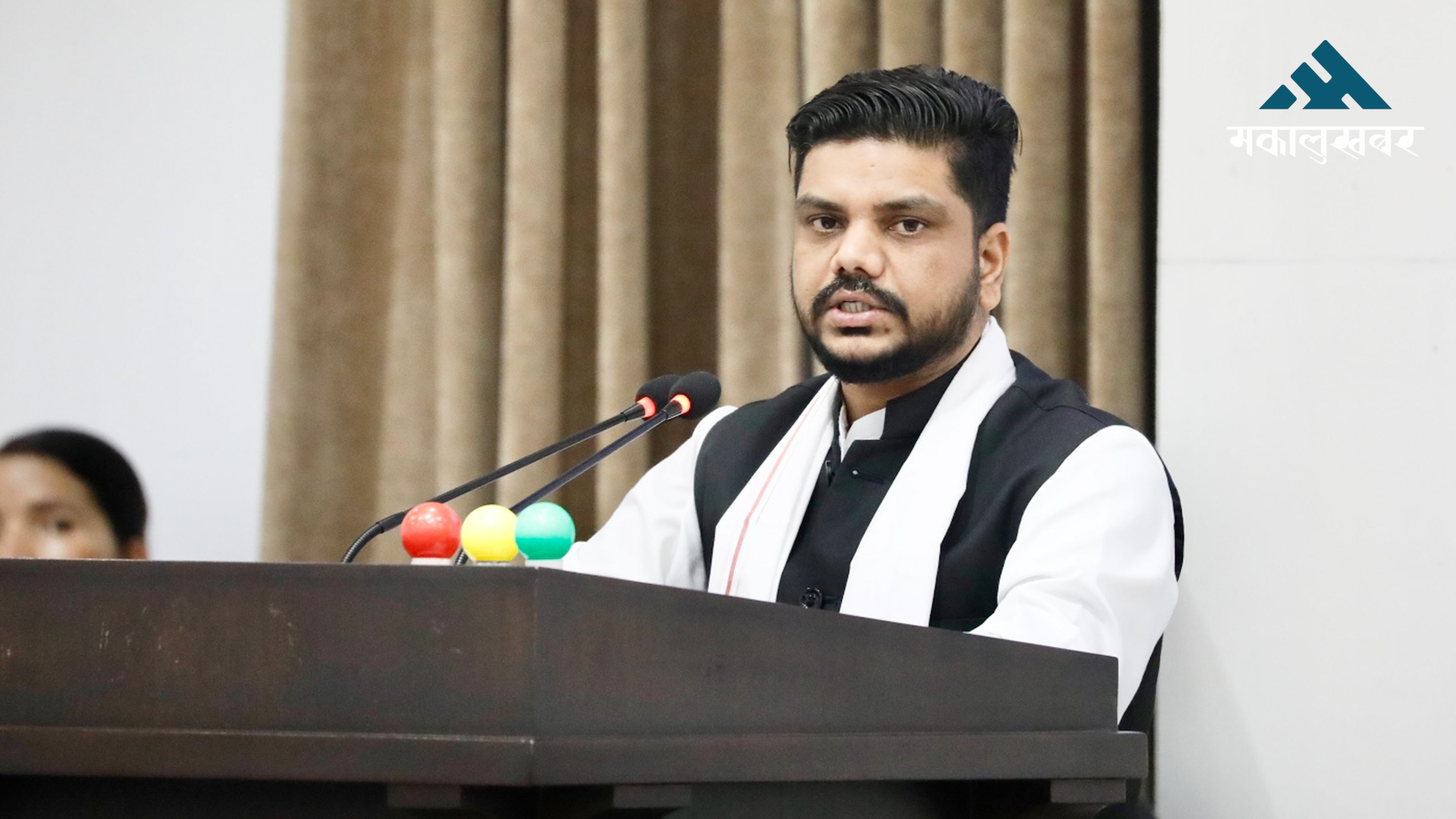
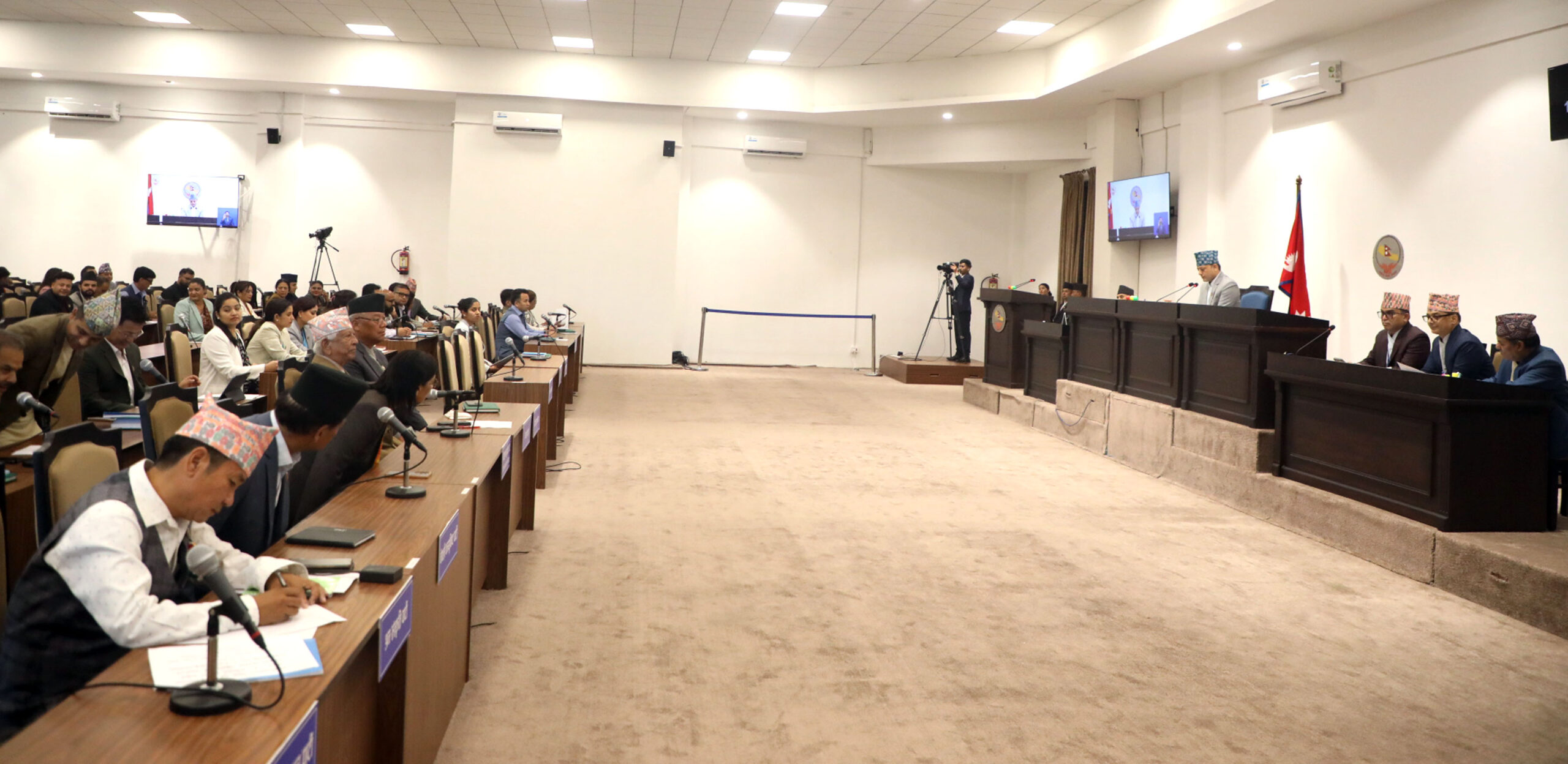
KATHMANDU: The House of Representatives on Monday witnessed an intense debate over the budget for nine ministries under the Appropriation Bill 2083, during which lawmakers registered 12 separate proposals to symbolically cut expenditure allocations.
The ministries under discussion included Youth, Labour and Employment; Industry, Commerce and Supplies; Agriculture, Forest and Environment; Information and Communications; Culture, Tourism and Civil Aviation; Education and Sports; Health and Food Hygiene; Land Management, Cooperatives, Federal Affairs and General Administration; and Women, Children, Gender and Sexual Minorities and Social Security.
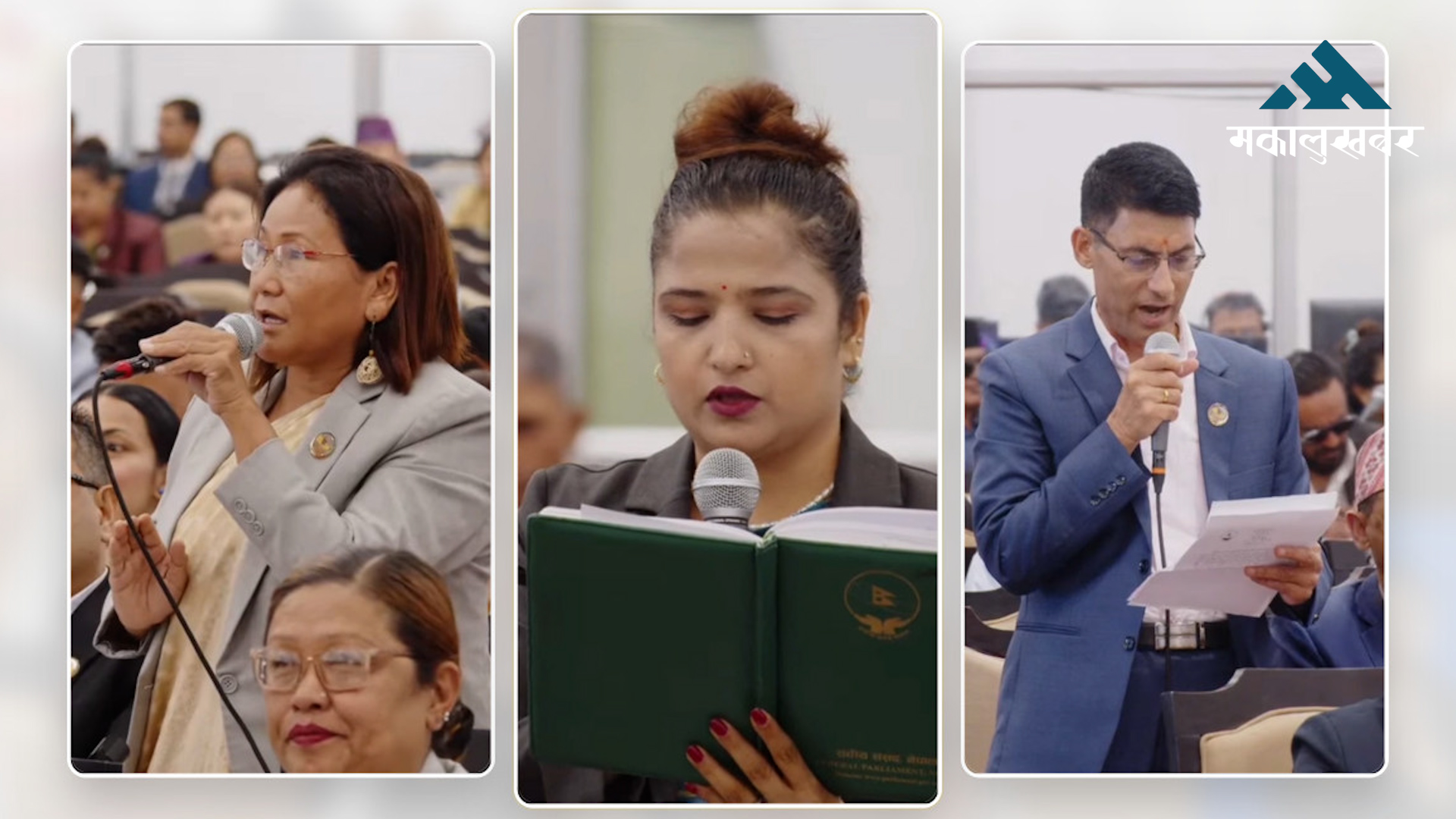
During the deliberations, several Members of Parliament proposed reducing specific budget headings to a symbolic one rupee, while others suggested token cuts of one hundred rupees, reflecting political dissatisfaction with policy direction and implementation gaps.
Lawmakers from the CPN-UML, including Kriparam Rana, and Nepal Communist Party lawmaker Parvati B.K., proposed slashing the budget of the Ministry of Industry, Commerce and Supplies to one rupee. They argued that the budget failed to adequately address industrial development in Karnali and Sudurpaschim provinces.
Similarly, CPN-UML lawmaker Jog Kumar Babariya Yadav and Nepali Congress MP Santosh Subba proposed reducing the budget of the Ministry of Agriculture, Forest and Environment to one rupee. Yadav criticized the budget as impractical and failing to address the needs of middle-class farmers, stating that farmers have repeatedly been “let down” by government policies.
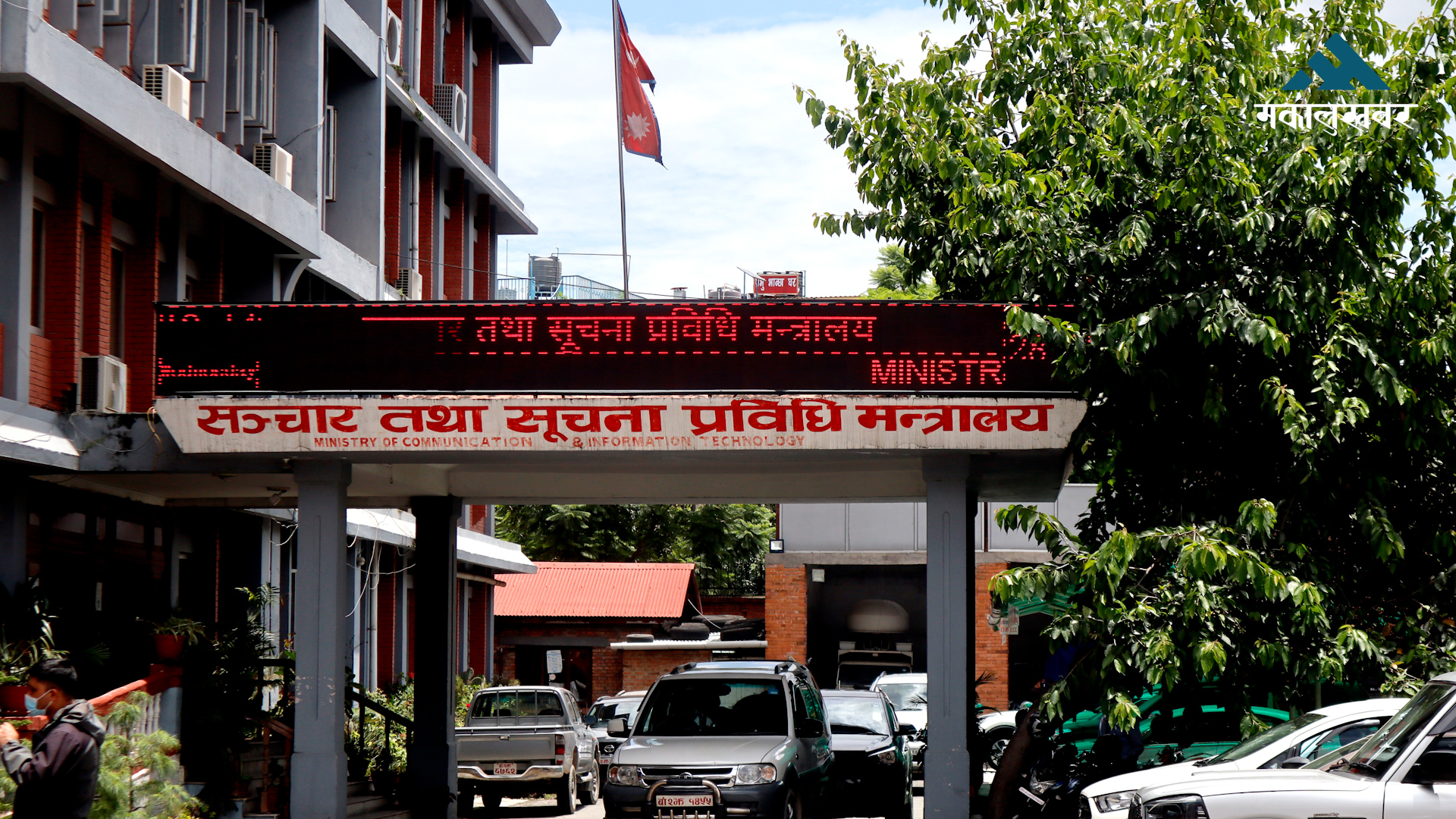
CPN-UML MP Nita Ghatani proposed a symbolic one-rupee cut for the Ministry of Information and Communications, warning that unequal access to government advertising could weaken press freedom. She also raised concerns over the lack of quality telecommunications services in rural areas.
CPN lawmaker Parshuram Tamang suggested a Rs 100 cut for the Ministry of Culture, Tourism and Civil Aviation, saying the budget failed to reflect the full diversity of Nepal’s cultural sector.
Lawmakers Arjun Kumar Karki, Narendra Kumar Kerung, and Ramesh Kumar Mall proposed reducing the Education and Sports Ministry’s budget to one rupee, stressing the need to shift the education system from certificate-oriented learning to skill-based and innovation-driven development.
MP Sajida Khatoon Siddiqui proposed similar symbolic cuts to both the Health and Food Hygiene Ministry and the Ministry for Women, Children and Social Security, criticizing the government for insufficient budget allocation and weak service delivery in health and social sectors.
CPN-UML MP Yubaraj Dulal also proposed a Rs 100 cut in the Health and Food Hygiene Ministry’s budget.
Meanwhile, UML MP Aashuda Kumari Baral proposed reducing the budget of the Ministry of Land Management, Cooperatives, Federal Affairs and General Administration to one rupee, calling for greater priority in resolving land-related issues and managing squatters.
Such symbolic “one-rupee” or “one-hundred-rupee” cut motions are widely regarded as parliamentary tools used by lawmakers to express political disagreement with government policy and budget priorities rather than literal financial adjustments.